
Amazing Blueberry Rhubarb Pie
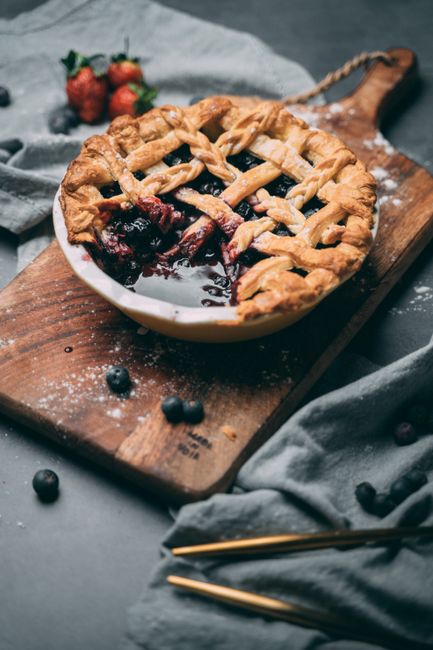
Blueberry Rhubarb Pie: A Culinary Symphony of Tart and Sweet
The iconic pairing of blueberry and rhubarb in a pie represents a masterful balance of opposing flavors, a culinary dance that has captivated palates for generations. This seemingly simple combination unlocks a complex and deeply satisfying sensory experience. The vibrant, almost jammy sweetness of ripe blueberries finds its perfect counterpoint in the bracing, citrusy tartness of rhubarb. This dynamic interplay prevents either flavor from becoming cloying or overwhelming, instead creating a harmonious profile that is both refreshing and comforting. Beyond taste, the textural contrast is equally compelling. The bursting juiciness of the cooked blueberries yields to the tender yet slightly firm bite of the rhubarb, all enveloped in the rich, flaky embrace of a buttery pie crust. This article will delve into the intricacies of creating an exceptional blueberry rhubarb pie, exploring ingredient selection, preparation techniques, and the science behind its enduring appeal, offering a comprehensive guide for home bakers seeking to master this classic dessert.
The foundation of any outstanding pie lies in the quality of its ingredients. For blueberry rhubarb pie, this begins with the stars of the show: blueberries and rhubarb. Selecting the right blueberries is crucial. Fresh, plump, and uniformly colored berries are ideal. Avoid any that appear bruised, shriveled, or moldy. While fresh berries generally offer superior flavor and texture, high-quality frozen blueberries can also be an excellent choice, particularly when fresh options are out of season. Ensure frozen berries are not clumped together, indicating they have been properly frozen and stored. When using frozen blueberries, it’s important to remember they will release more liquid during baking. Rhubarb selection also requires attention. Look for firm, crisp stalks with a vibrant red or rosy hue. Younger, thinner stalks tend to be less fibrous and possess a more delicate flavor. Avoid stalks that are limp or have a dull color. The color of rhubarb is not indicative of its tartness; both red and green stalks can be equally tart. The tartness is a desirable characteristic, providing the essential acidity that cuts through the sweetness of the blueberries and sugar.
The pie crust is the unsung hero, providing the structural integrity and textural counterpoint to the luscious filling. A classic all-butter pie crust is often preferred for its unparalleled flavor and flaky texture. The key to a flaky crust lies in keeping the fat (butter) cold and in discrete pieces throughout the flour. This creates steam pockets during baking, resulting in layers. For blueberry rhubarb pie, a double-crust is traditional, offering a bottom layer to contain the filling and a top layer to shield it from excessive browning and to allow for steam to escape. A lattice top or decorative cutouts are aesthetic choices that also serve this functional purpose. While all-butter crusts are exceptional, a combination of butter and shortening can yield a crust that is both flavorful and exceptionally tender and easy to handle. Regardless of the fat used, proper chilling of the dough is paramount. This allows the gluten to relax, preventing a tough crust, and solidifies the fat, ensuring flakiness. Resting the dough in the refrigerator for at least 30 minutes, and ideally longer, before rolling is a non-negotiable step for optimal results.
The preparation of the filling is where the magic truly happens. The ratio of blueberries to rhubarb is a matter of personal preference, but a common starting point is a 1:1 or 2:1 ratio of blueberries to rhubarb, favoring blueberries for a sweeter, more dominant berry flavor. The rhubarb should be trimmed and cut into ½-inch to ¾-inch pieces, ensuring a manageable texture in the finished pie. The blueberries should be gently washed and dried if fresh, or used directly from the bag if frozen. A crucial element in preventing a soggy bottom crust is proper thickening. Cornstarch or tapioca starch are common thickeners. Cornstarch provides a clearer filling, while tapioca can create a slightly more opaque and gel-like consistency. The amount of thickener will vary depending on the moisture content of the fruit, particularly if using frozen blueberries. A general guideline is 2 to 3 tablespoons of cornstarch or tapioca for a standard 9-inch pie. Sugar is essential to balance the tartness of the rhubarb and enhance the sweetness of the blueberries. The amount of sugar can be adjusted based on the ripeness of the fruit and personal preference. Brown sugar can be incorporated for a deeper, molasses-like flavor. A touch of lemon zest or juice can further brighten the flavors and complement the fruit. A pinch of salt is also important to enhance the overall flavor profile and to provide a subtle counterpoint to the sweetness.
The assembly of the pie requires care and precision. Once the crust dough has been chilled, divide it into two discs, one slightly larger for the bottom crust. Roll out the larger disc and carefully transfer it to the pie plate, gently pressing it into the contours. Trim the excess dough, leaving about a ½-inch overhang. For the filling, gently toss the prepared blueberries and rhubarb with the sugar, thickener, and any additional flavorings like lemon zest or spices. Pour the filling into the prepared bottom crust, distributing the fruit evenly. For the top crust, roll out the second disc. This can be a solid top crust with vents cut into it, a lattice design woven from strips of dough, or decorative cutouts. Crimp the edges of the top and bottom crusts together to seal, ensuring no gaps where the filling can escape. For a golden-brown finish and enhanced flavor, an egg wash (beaten egg mixed with a tablespoon of water or milk) can be brushed over the top crust. Sprinkling a little coarse sugar over the egg wash adds a delightful sparkle and crunch.
Baking the blueberry rhubarb pie is a multi-stage process designed to achieve a perfectly cooked filling and a golden, flaky crust. The ideal baking temperature for pie is typically around 400-425°F (200-220°C) for the initial phase, then reduced to 350-375°F (175-190°C) to allow the filling to cook through without the crust burning. Placing the pie on a baking sheet is highly recommended to catch any potential drips and to ensure even heat distribution. For the initial 15-20 minutes at a higher temperature, the intense heat helps to set the bottom crust and initiate the steaming process within the filling. Subsequently reducing the temperature allows the filling to bubble and thicken gradually, and the crust to bake to a beautiful golden brown without becoming over-browned. The total baking time can range from 45 to 60 minutes, or even longer, depending on the oven and the moisture content of the fruit. Signs of a properly baked pie include a visibly bubbling filling, especially in the center, and a deeply golden-brown crust. If the crust begins to brown too quickly before the filling is cooked, it can be loosely tented with aluminum foil.
Cooling the pie is as critical as baking it. A freshly baked pie is a molten lava of deliciousness. Allowing it to cool undisturbed for at least 2 to 4 hours is essential for the filling to set properly. This resting period allows the starches to fully absorb the liquid and the flavors to meld. Cutting into a pie that is still too hot will result in a runny, disorganized mess. Patience here will be richly rewarded with clean, defined slices. The aroma that fills the kitchen during this cooling period is a testament to the culinary magic that has occurred.
The enduring popularity of blueberry rhubarb pie stems from its inherent versatility and its ability to evoke feelings of nostalgia and comfort. It’s a dessert that graces summer picnics, holiday tables, and simple weeknight dinners with equal aplomb. The tartness of the rhubarb makes it a refreshing choice during warmer months, while the comforting sweetness of the blueberries and the warmth of the spices lend themselves to cooler seasons. The pie’s adaptability also extends to variations. Some bakers incorporate spices like cinnamon, nutmeg, or ginger into the filling for added warmth and complexity. A hint of vanilla extract can also enhance the sweetness. For those seeking a richer, more decadent flavor, a touch of almond extract can be a delightful addition. The crust itself can be infused with subtle flavors, such as a hint of lemon zest or a sprinkle of finely chopped herbs like rosemary or thyme, though these are more adventurous departures from the classic.
Beyond the classic double-crust, alternative presentations exist. A crumble topping, made from oats, flour, butter, and sugar, offers a delightful textural contrast and a simpler preparation method for those less inclined towards intricate pie crust work. This topping bakes into a crisp, golden layer that complements the soft fruit filling beautifully. Another option is a streusel-topped pie, which shares similarities with a crumble but often uses a finer texture and can incorporate chopped nuts for added crunch. These variations maintain the core flavor profile while offering different textural and visual experiences, broadening the appeal of this beloved pie.
The science behind the perfect blueberry rhubarb pie is a fascinating interplay of chemistry and physics. The pectin in the fruit, in conjunction with the added starch thickener, creates a gel network when heated, which solidifies as the pie cools. The sugar not only sweetens but also helps to preserve the fruit and contributes to the texture of the filling by interfering with the formation of large ice crystals and modifying the gelatinization of starches. The gluten in the flour, when hydrated and agitated, forms a protein network that provides structure to the crust. The fat within the crust coats the flour particles, inhibiting excessive gluten development and contributing to tenderness and flakiness. The Maillard reaction, a complex series of chemical reactions between amino acids and reducing sugars, is responsible for the browning of the crust and the development of its characteristic rich, savory flavors. Understanding these fundamental principles allows bakers to troubleshoot issues and to consistently achieve exceptional results.
In conclusion, the blueberry rhubarb pie stands as a testament to the power of simple, quality ingredients and thoughtful preparation. Its harmonious balance of tart and sweet, coupled with its delightful textural contrasts, makes it a universally beloved dessert. Mastering this classic requires attention to detail, from the selection of the freshest fruit and the creation of a flaky crust to the precise thickening of the filling and the patience to allow it to cool. Whether enjoyed as a simple treat or a centerpiece for a special occasion, the blueberry rhubarb pie offers an unparalleled culinary experience, a comforting embrace of flavors that continues to captivate and delight.
