
Artificial Intelligence Data Centers Green Power
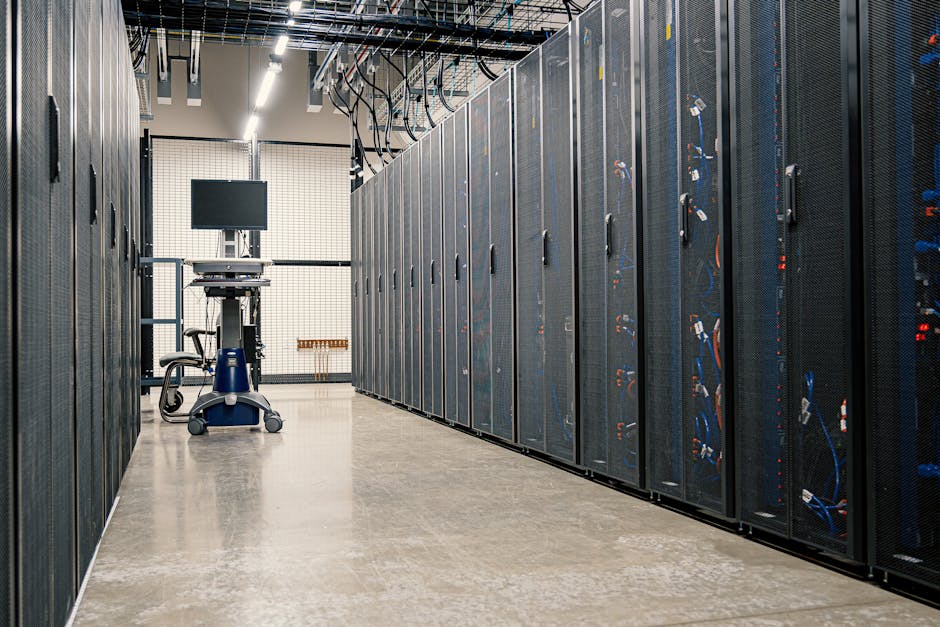
AI Data Centers and Green Power: A Sustainable Nexus
The exponential growth of Artificial Intelligence (AI) is fundamentally reshaping industries, driving unprecedented demand for computational power. This demand is most acutely felt within the burgeoning landscape of AI data centers, massive facilities housing the specialized hardware – GPUs, TPUs, and high-performance servers – essential for training and deploying complex AI models. However, this surge in computational intensity is directly correlated with an equally significant surge in energy consumption. Traditional data centers are notoriously energy-intensive, and AI workloads exacerbate this challenge, raising critical questions about the environmental sustainability of this technological revolution. Consequently, the integration of green power solutions into AI data center infrastructure has moved from a niche consideration to a paramount imperative for responsible and long-term AI development. This article explores the intricate relationship between AI data centers and green power, examining the drivers, challenges, and innovative solutions that are shaping a more sustainable future for artificial intelligence.
The energy footprint of AI is a multifaceted issue. Training a single large language model can consume hundreds of megawatt-hours of electricity, comparable to the annual energy usage of hundreds of households. This consumption stems from several key components within an AI data center: the processing units themselves (CPUs and GPUs), memory, storage, networking equipment, and, crucially, the cooling systems. AI workloads, characterized by intensive matrix multiplications and parallel processing, push these components to their limits, generating immense heat that must be dissipated to maintain optimal operating temperatures and prevent hardware failure. Cooling systems, often comprising thousands of chillers, pumps, and fans, can account for a substantial portion of a data center’s total energy expenditure, sometimes exceeding the energy consumed by the IT equipment itself. As AI models become larger and more complex, and as the deployment of AI applications becomes more widespread across various sectors, the demand for raw computing power, and thus energy, will continue to escalate. Without proactive intervention, this escalating demand risks significantly increasing the carbon footprint of the technology sector, potentially undermining global efforts to combat climate change.
The environmental implications of unchecked energy consumption are profound. Fossil fuel-based power generation, a significant source of electricity for many data centers, releases greenhouse gases like carbon dioxide into the atmosphere, contributing to global warming. This not only poses an existential threat to ecosystems and human societies but also carries reputational and regulatory risks for companies heavily reliant on energy-intensive AI operations. Investors are increasingly scrutinizing the environmental, social, and governance (ESG) performance of corporations, and data centers with high carbon emissions will face growing pressure from stakeholders to adopt more sustainable practices. Furthermore, governmental regulations regarding carbon emissions and energy efficiency are likely to become more stringent, imposing financial penalties and operational constraints on non-compliant facilities. Therefore, transitioning to green power is not merely an ethical choice but a strategic necessity for the long-term viability and societal acceptance of AI.
The pursuit of green power for AI data centers encompasses a range of renewable energy sources and efficiency strategies. Solar power, with its decreasing costs and increasing efficiency, is a prime candidate. Data centers can be co-located with large-scale solar farms, or incorporate on-site solar installations. However, solar power is intermittent, dependent on sunlight availability, which necessitates robust energy storage solutions and grid integration strategies to ensure continuous operation. Wind power, another significant renewable source, faces similar intermittency challenges, though advancements in turbine technology and offshore wind farms are expanding its potential. Hydropower, while a reliable and often consistent source of renewable energy, is geographically constrained. Geothermal energy offers a more stable and constant power source, leveraging the Earth’s internal heat, but is also geographically limited to areas with accessible geothermal activity. Bioenergy, derived from organic matter, presents another option, but its sustainability hinges on responsible sourcing and production methods to avoid competition with food production or deforestation.
Beyond direct sourcing of renewable energy, energy efficiency measures are critical for reducing the overall demand of AI data centers. This involves optimizing hardware utilization, employing more energy-efficient processors and components, and implementing advanced cooling technologies. Liquid cooling, which directly cools the heat-generating components with a fluid, is significantly more efficient than traditional air cooling and is becoming increasingly prevalent in high-density AI deployments. Free cooling, which utilizes ambient air or water to cool data center infrastructure when outside temperatures are favorable, can drastically reduce the energy consumed by mechanical cooling systems. Furthermore, advancements in AI itself are being leveraged to optimize data center operations. AI algorithms can be used to predict and manage cooling loads, optimize power distribution, and even dynamically adjust computing resources based on energy availability and cost. This creates a virtuous cycle where AI helps to make its own infrastructure more sustainable.
Energy storage is a linchpin in bridging the gap between the intermittent nature of many renewable energy sources and the constant demand of AI data centers. Battery energy storage systems (BESS), utilizing technologies like lithium-ion batteries, are becoming increasingly sophisticated and cost-effective. These systems can store excess renewable energy generated during peak production times and discharge it when demand outstrips immediate renewable supply or when renewable sources are unavailable. Advanced battery chemistries and longer-duration storage solutions are continuously being developed to address the specific needs of large-scale data centers. Beyond batteries, other energy storage technologies such as pumped hydro storage, compressed air energy storage (CAES), and even hydrogen fuel cells are being explored and implemented as potential solutions for grid-scale energy storage, which can indirectly support AI data centers by stabilizing the overall grid.
The concept of the "green data center" is evolving to integrate AI capabilities. Smart grids, which use digital technology to optimize electricity distribution and consumption, are essential for enabling data centers to actively participate in energy markets, purchasing power when it is cheapest and cleanest, and even feeding excess renewable energy back into the grid. Edge computing, which distributes computing power closer to the data source, can reduce the energy required for data transmission and processing, potentially leading to more localized and thus manageable energy demands. Furthermore, the circular economy principles are being applied to data center hardware. This includes extending the lifespan of equipment through efficient maintenance and upgrades, and developing robust recycling and refurbishment programs for components at the end of their service life. The goal is to minimize waste and maximize resource utilization throughout the entire lifecycle of data center infrastructure.
The economic drivers for adopting green power in AI data centers are becoming increasingly compelling. While the initial investment in renewable energy infrastructure and advanced cooling technologies can be substantial, the long-term operational cost savings are significant. Renewable energy sources often have more stable and predictable pricing compared to volatile fossil fuel markets. Furthermore, governments and organizations are offering incentives, tax credits, and subsidies for the adoption of renewable energy and energy-efficient technologies, further reducing the upfront financial burden. The growing demand for sustainable AI solutions from businesses and consumers is also creating a competitive advantage for companies that can demonstrate a commitment to environmental responsibility. A green-powered data center not only reduces operational expenses but also enhances brand reputation and attracts environmentally conscious clients and investors.
However, significant challenges remain in achieving widespread green power adoption for AI data centers. The sheer scale of energy required presents a formidable hurdle. The intermittency of solar and wind power necessitates reliable and scalable energy storage solutions, which are still under development and can be expensive. Grid infrastructure in many regions may not be robust enough to support the integration of large-scale renewable energy sources and the dynamic energy demands of data centers. Land availability for solar and wind farms, especially in densely populated areas, can also be a constraint. Furthermore, the specialized nature of AI hardware and its rapid evolution can create a complex environment for long-term sustainable infrastructure planning. Ensuring a consistent and reliable supply of green power that meets the demanding uptime requirements of AI operations is a continuous challenge.
Despite these challenges, innovation is rapidly advancing the field. Companies are investing heavily in research and development for more efficient AI hardware, advanced cooling systems, and novel energy storage technologies. Partnerships between AI companies, renewable energy providers, and technology manufacturers are fostering collaborative solutions. Open-source initiatives and industry-wide standards are emerging to promote interoperability and accelerate the adoption of green technologies. The development of AI-powered energy management systems that can dynamically balance renewable energy supply, energy storage, and demand is a critical area of ongoing progress. As the AI revolution continues its trajectory, the imperative for sustainable energy practices will only grow, driving further innovation and investment in green power solutions for AI data centers. The future of AI is inextricably linked to its environmental footprint, and a concerted effort towards green power is essential for ensuring a responsible and sustainable technological future.
