Indonesia Bets on Extended Holiday Period for Tourism Boom as Lunar New Year Coincides with Ramadan in 2026

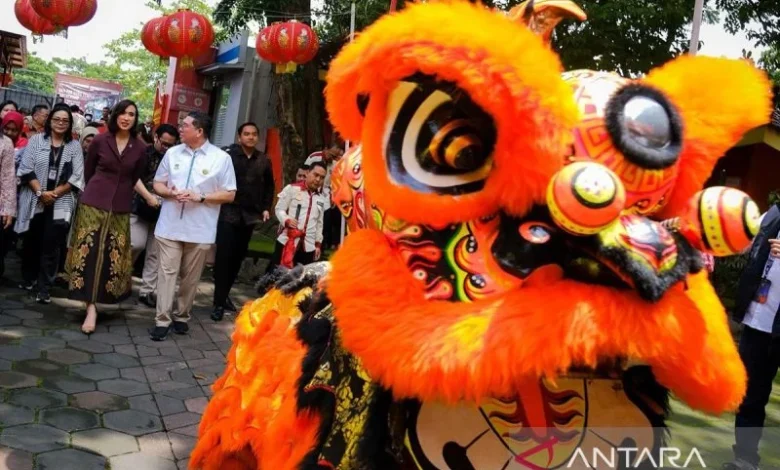
Jakarta, Indonesia – The Indonesian Ministry of Tourism is strategically positioning the 2026 holiday calendar, specifically the convergence of the Lunar New Year and the commencement of Ramadan, as a prime opportunity to significantly boost both domestic and international tourist movements, encouraging longer stays and broader economic impact across the archipelago. Minister of Tourism Widiyanti Putri Wardhana highlighted this unique temporal alignment as a critical window to invigorate the nation’s tourism sector.
"The Ministry of Tourism views the momentum of the Lunar New Year holiday coinciding with the beginning of Ramadan as a strategic opportunity for tourist movement," stated Minister Widiyanti in a recent interview with ANTARA news agency in Jakarta. "We urge stakeholders in the tourism industry to provide excellent service to tourists who will be enjoying the long holiday (long weekend) of the 2026 Lunar New Year."
The Indonesian government has officially designated Monday, February 16, 2026, as a shared public holiday for the Lunar New Year. This date, falling immediately after the weekend, effectively creates an extended break for many citizens. Coupled with the potential for employees to utilize annual leave, this period is anticipated to facilitate longer travel durations, a key factor in increasing tourist expenditure and fostering deeper engagement with local destinations.
Strategic Planning for a Dual-Holiday Season
The confluence of the Lunar New Year, a significant cultural celebration for many Indonesians, and the start of Ramadan, a period of spiritual reflection and community gathering for the nation’s largest Muslim population, presents a complex yet promising scenario for the tourism industry. Minister Widiyanti emphasized the need for proactive planning and coordinated efforts to maximize the benefits of this dual-holiday period.
"We are encouraging the public to explore domestic travel through the #DiIndonesiaAja campaign," Minister Widiyanti added, underscoring the ministry’s commitment to promoting local tourism. This campaign emphasizes safety, comfort, and the sustainable development of tourist destinations. The ministry’s proactive approach aims to ensure that the anticipated surge in travel is managed effectively, prioritizing the well-being of both tourists and the environment.
Leveraging the Long Weekend: Data-Driven Strategies
The ministry’s strategy hinges on a detailed understanding of travel patterns and consumer preferences. By mapping out the potential long weekend periods, the ministry aims to provide clear guidance to the public, enabling them to plan their trips in advance. This proactive planning is crucial not only to avoid extreme congestion at popular destinations but also to ensure a more balanced distribution of tourist flow across the country.
"Mapping out these long weekend dates is deemed important for the public to be able to plan their trips earlier, to avoid extreme congestion at certain times, and also to benefit workers and families," the statement from the ministry indicated. The objective is to create a ripple effect, where widespread tourist movement stimulates regional economies and provides a significant boost to Micro, Small, and Medium Enterprises (MSMEs) that form the backbone of Indonesia’s tourism ecosystem.
Thematic Marketing and Digital Engagement
In terms of marketing, the Ministry of Tourism is focusing on thematic campaigns that resonate with the unique cultural context of the Lunar New Year and Ramadan transition. These campaigns will be packaged to appeal to family travel, special interest tourism, and specifically target destinations that offer significant Lunar New Year attractions and those that are recognized as Muslim-friendly.
"From a marketing perspective, the Ministry of Tourism is striving to strengthen thematic campaigns for Lunar New Year and Ramadan, packaged into family travel promotions, special interest tourism, especially in destinations with Lunar New Year attractions and Muslim-friendly destinations," explained the minister.
The ministry is also leveraging digital platforms and data analytics to refine its promotional efforts. By mapping market interests and travel patterns, they aim to ensure that promotional messages are precisely targeted. This data-driven approach is also instrumental in encouraging tourists to explore alternative destinations, thereby alleviating pressure on the most frequented spots and spreading the economic benefits more evenly.
Collaboration and Integrated Tourism Packages
A cornerstone of the ministry’s strategy is robust collaboration with various stakeholders. Partnerships with industry players, local governments, and travel platforms are being forged to develop attractive tourism packages, organize thematic events, and launch special promotions for the extended Lunar New Year holiday. These initiatives are designed to be integrated with the regional event calendars, creating a cohesive and engaging travel experience.
"Other efforts include collaborating with industry players, local governments, and travel platforms to present tourism packages, thematic events, and special promotions for the Lunar New Year long holiday that are integrated with the regional activity calendar," the ministry elaborated.
Furthermore, public communication efforts are being intensified to ensure transparency regarding destination readiness, the comfort and safety of travel, and the availability of diverse options that cater to the evolving needs of tourists during the transition period from Lunar New Year celebrations to the spiritual observance of Ramadan.
Economic Implications and Extended Length of Stay
The strategic alignment of these holidays is expected to have a profound positive impact on Indonesia’s tourism economy. The extended duration of the holiday period is a critical factor in increasing the average length of stay (LOS) for tourists. A longer LOS typically translates to higher tourist spending on accommodation, food, transportation, and local goods and services.
Data from the World Tourism Organization (UNWTO) consistently shows that destinations that can successfully extend the duration of tourist visits often experience a more significant economic multiplier effect. For Indonesia, with its vast and diverse offerings, from cultural heritage sites to natural wonders, an increase in LOS can provide a substantial boost to local economies, particularly in regions that may not be traditional tourist hotspots.
For instance, if the average tourist stay increases by just one or two days, the cumulative impact across thousands of visitors can translate into millions of dollars in additional revenue for local businesses. This is especially beneficial for MSMEs, which often operate with thinner profit margins and rely heavily on consistent visitor traffic.
Historical Context and Future Outlook
Indonesia has a rich history of leveraging cultural festivals and public holidays to drive tourism. The Lunar New Year, or Imlek, has been a public holiday since 2003, and its observance has grown significantly, attracting both domestic and international attention. The inclusion of this holiday in the national calendar has historically led to spikes in travel, particularly to cities with significant Chinese-Indonesian heritage, such as Medan, Surabaya, and Jakarta.
The timing of the 2026 Lunar New Year, so close to the beginning of Ramadan, is an anomaly that offers a unique opportunity. Ramadan itself, while often associated with reduced travel during the day due to fasting, can also stimulate domestic tourism as people travel to be with family for Iftar (breaking of the fast) and Suhoor (pre-dawn meal). The period immediately following Ramadan, during Eid al-Fitr, is Indonesia’s peak domestic travel season. The proximity of the Lunar New Year to the start of Ramadan means that the country will experience a sustained period of potential travel activity, rather than isolated peaks.
The ministry’s forward-thinking approach in identifying and capitalizing on such temporal alignments is a testament to its commitment to a more robust and resilient tourism sector. By focusing on data-driven strategies, cross-sectoral collaboration, and targeted marketing, Indonesia is poised to make the most of this unique holiday convergence, fostering a more vibrant and inclusive tourism economy.
Challenges and Opportunities
While the outlook is positive, the ministry acknowledges potential challenges. Managing increased tourist numbers requires careful infrastructure planning, environmental protection measures, and ensuring the safety and security of all travelers. The #DiIndonesiaAja campaign’s emphasis on safety, comfort, and sustainability is crucial in addressing these concerns.
The promotion of alternative destinations is another key strategy to mitigate over-tourism at popular sites. This not only helps in preserving the integrity of iconic locations but also opens up new economic avenues for less-visited regions, fostering more equitable development across the nation.
The success of these initiatives will ultimately depend on the collective effort of the government, industry stakeholders, and the traveling public. By embracing the opportunities presented by the 2026 Lunar New Year and Ramadan convergence, Indonesia aims to not only boost its tourism figures but also to showcase its rich cultural diversity and warm hospitality to the world. The ministry’s proactive stance and detailed planning signal a strong commitment to transforming this unique calendar event into a significant economic boon for the nation.
Pewarta: Hreeloita Dharma Shanti
Editor: Maria Rosari Dwi Putri
Copyright © ANTARA 2026
All rights reserved. No part of this publication may be reproduced, distributed, or transmitted in any form or by any means, including photocopying, recording, or other electronic or mechanical methods, without the prior written permission of the publisher, except in the case of brief quotations embodied in critical reviews and certain other non-commercial uses permitted by copyright law. For permissions, contact ANTARA News Agency.