
Garlic Seasoned Baked Pork Chops
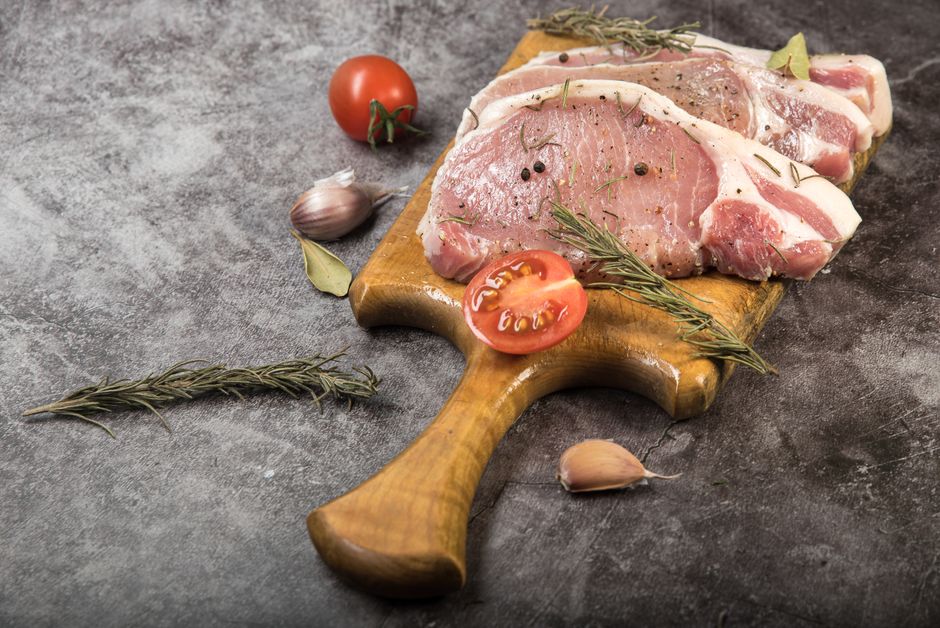
Garlic-Herb Baked Pork Chops: A Savory and Simple Oven-Roasted Delight
This comprehensive guide explores the creation of succulent, flavorful garlic-herb baked pork chops, a deceptively simple yet incredibly satisfying oven-roasted dish. Perfect for weeknight dinners or more elaborate meals, this recipe emphasizes maximizing flavor through minimal effort, leveraging the power of garlic, fresh herbs, and proper cooking techniques. We will delve into ingredient selection, preparation steps, optimal baking temperatures and times for various thicknesses, and explore variations and serving suggestions to elevate this classic. The inherent versatility of pork chops allows for a wide range of flavor profiles, but the foundational garlic and herb combination forms a universally appealing base that complements the natural richness of the pork. Understanding the science behind oven-roasting – how heat penetrates and cooks the meat evenly while developing a desirable crust – is crucial for achieving consistently excellent results. This article aims to equip home cooks with the knowledge and confidence to produce restaurant-quality pork chops in their own kitchens, minimizing the need for marinades or complex sauces.
The cornerstone of any successful baked pork chop recipe lies in the quality of the pork itself. Opt for bone-in or boneless pork chops with a thickness of at least ¾ inch, and ideally 1 to 1 ½ inches. Thicker cuts are more forgiving and less prone to drying out during the baking process. Look for pork that exhibits good marbling – the flecks of fat distributed throughout the muscle. This intramuscular fat renders during cooking, adding moisture and flavor, making the final product significantly more tender and juicy. Pork loin chops, rib chops, and even tenderloin medallions can be used, each offering a slightly different texture and flavor profile. However, for a classic baked pork chop experience, loin or rib chops are generally preferred for their balance of meat and fat. When purchasing, ensure the meat has a bright pinkish-red color and a firm texture. Avoid pork that appears dull or slimy. Storage is also important; refrigerate pork chops immediately upon purchase and use them within 1-2 days or freeze them for longer storage. Thawing frozen pork chops should be done slowly in the refrigerator, never at room temperature, to prevent bacterial growth.
The flavor profile of these garlic-herb baked pork chops is driven by a harmonious blend of aromatic ingredients. Fresh garlic is paramount. While garlic powder can be used in a pinch, the pungent, slightly sweet notes of fresh garlic, whether minced or thinly sliced, are indispensable. The quantity of garlic can be adjusted to personal preference, but a minimum of 4-6 cloves per pound of pork is recommended for a pronounced garlic flavor. Fresh herbs are the ideal complement. A combination of rosemary, thyme, and parsley offers a classic savory profile that pairs beautifully with pork. Rosemary provides a piney, slightly peppery note, thyme adds an earthy, minty undertone, and parsley brings a fresh, bright finish. Other complementary herbs include sage, oregano, and chives. For optimal flavor, use fresh herbs whenever possible. If dried herbs are the only option, use them at about one-third the amount of fresh herbs, as their flavor is more concentrated. The herbs should be finely chopped to distribute their oils and flavors evenly across the surface of the pork.
Beyond the aromatics, a good quality olive oil or melted butter serves as the binder for the seasonings and helps to create a beautiful golden-brown crust during baking. Olive oil imparts a slightly fruity note, while butter offers a richer flavor. A combination of both can also be used for a nuanced taste. For seasoning, coarse sea salt or kosher salt is preferred over fine table salt. The larger crystals adhere better to the surface of the pork and provide a more pleasing textural element. Freshly ground black pepper is essential for adding a subtle heat and complexity. Beyond these foundational elements, consider adding other complementary spices such as paprika for color and a hint of smokiness, onion powder for added depth, or a pinch of red pepper flakes for a touch of heat. The key is to create a well-balanced seasoning blend that enhances, rather than overpowers, the natural flavor of the pork.
The preparation process for garlic-herb baked pork chops is straightforward, focusing on creating a flavorful coating that will adhere to the meat and contribute to its exterior texture. Begin by patting the pork chops thoroughly dry with paper towels. This step is crucial for achieving a good sear or crust, as excess moisture will steam the meat instead of browning it. In a small bowl, combine your minced fresh garlic, finely chopped fresh herbs, olive oil or melted butter, salt, and freshly ground black pepper. If using dried herbs, ensure they are finely crumbled. Mix these ingredients together to form a paste or a well-distributed oil-herb mixture.
Generously coat each pork chop on all sides with this garlic-herb mixture. Ensure that every surface is covered to maximize flavor penetration and create an even crust. If using bone-in chops, pay particular attention to the areas around the bone. For thicker chops, you can make shallow incisions into the meat with a sharp knife and press some of the garlic-herb mixture into these pockets to further infuse flavor. Some cooks prefer to allow the seasoned pork chops to rest at room temperature for 15-30 minutes before baking. This allows the meat to come closer to ambient temperature, promoting more even cooking from edge to center. However, for food safety reasons, do not leave pork out for extended periods.
The baking process is where the magic happens. Preheating your oven to the correct temperature is paramount for achieving the desired results. A common and effective temperature range for baking pork chops is between 375°F and 400°F (190°C to 200°C). A higher temperature generally leads to a faster cooking time and a more pronounced crust, while a slightly lower temperature can be more forgiving for thicker cuts. For optimal results, use a sturdy baking sheet or a cast-iron skillet. A cast-iron skillet, in particular, can be preheated in the oven and then used to sear the pork chops before baking, creating an unparalleled crust. If you choose this method, carefully remove the hot skillet from the oven, place the seasoned pork chops in the skillet, and then return the skillet to the oven.
Baking time will vary significantly based on the thickness of the pork chops and the chosen oven temperature. It is crucial to avoid overcooking, as this is the primary culprit for dry, tough pork. The internal temperature of the pork is the most reliable indicator of doneness. For pork, the USDA recommends an internal temperature of 145°F (63°C) for medium-rare, with a 3-minute rest time. This will result in slightly pink pork, which is safe and incredibly juicy. Many chefs and home cooks prefer to cook pork to this temperature. For those who prefer their pork more well-done, aim for 150°F (65°C). Use an instant-read meat thermometer inserted into the thickest part of the chop, avoiding the bone.
As a general guideline, for 1-inch thick pork chops baked at 400°F (200°C), expect a cooking time of approximately 20-25 minutes. For 1 ½-inch thick chops, this time might extend to 25-35 minutes. If you are searing in a cast-iron skillet on the stovetop before baking, reduce the baking time accordingly. It is always better to err on the side of slightly undercooked and allow the residual heat to continue cooking the pork during its resting period. Once the pork chops reach their desired internal temperature, remove them from the oven and transfer them to a clean plate or cutting board. Loosely tent them with aluminum foil and allow them to rest for at least 5-10 minutes. This resting period is non-negotiable. It allows the juices, which have been pushed to the center of the meat during cooking, to redistribute throughout the chop, resulting in a significantly more tender and moist final product. Cutting into the pork immediately after removing it from the oven will cause these precious juices to run out onto the plate, leaving the meat dry.
Variations on this basic garlic-herb baked pork chop recipe offer endless possibilities for culinary exploration. For a touch of sweetness and acidity, consider adding a tablespoon or two of Dijon mustard to the garlic-herb paste. The mustard’s tanginess complements the richness of the pork and the robust garlic flavor. A drizzle of honey or maple syrup can also be incorporated for a subtle sweet and savory balance. For a spicier kick, increase the amount of red pepper flakes or add a pinch of cayenne pepper. Lemon zest can be added to the herb mixture for a bright, citrusy counterpoint that cuts through the richness of the pork. Smoked paprika not only imparts a beautiful color but also adds a distinct smoky depth. If you enjoy a more Mediterranean flavor profile, incorporate dried oregano and a pinch of red pepper flakes into your herb blend. For a richer, more decadent flavor, consider adding a tablespoon of grated Parmesan cheese to the herb mixture; it will melt and form a delightful cheesy crust.
When it comes to serving, garlic-herb baked pork chops are incredibly versatile. They pair exceptionally well with a wide array of side dishes. Classic pairings include mashed potatoes, roasted potatoes, or sweet potato fries. Steamed or roasted vegetables such as broccoli, asparagus, green beans, or Brussels sprouts provide a healthy and colorful accompaniment. A simple side salad with a vinaigrette offers a refreshing contrast. For a heartier meal, consider serving them alongside a grain like quinoa, rice pilaf, or couscous. The flavorful pan juices that accumulate on the baking sheet during cooking can be spooned over the pork chops or used to add moisture to a side dish. If you’ve used a cast-iron skillet, any browned bits (fond) left in the pan can be deglazed with a splash of white wine or chicken broth to create a simple yet delicious pan sauce. This sauce can be seasoned and thickened slightly with a cornstarch slurry if desired.
To enhance the visual appeal and flavor, consider garnishing the finished pork chops with fresh parsley sprigs or a sprinkle of additional chopped herbs. A small wedge of lemon on the side allows diners to add a burst of fresh acidity if they wish. Leftover garlic-herb baked pork chops can be stored in an airtight container in the refrigerator for up to 3 days. They can be enjoyed cold as part of a salad or sandwich, or reheated gently in the oven or on the stovetop to preserve their moisture. Avoid microwaving, as this can often result in tough, dry meat.
In summary, mastering garlic-herb baked pork chops is an achievable culinary goal for any home cook. By focusing on high-quality ingredients, proper seasoning techniques, and attentive baking practices, one can consistently produce a delicious and satisfying meal. The beauty of this dish lies in its simplicity and its inherent adaptability, making it a staple for busy weeknights and a crowd-pleaser for any occasion. The key elements – fresh garlic, aromatic herbs, a good cut of pork, and careful attention to internal temperature and resting time – are the pillars upon which this oven-roasted delight is built, promising a flavorful and succulent experience with every bite.
