
Beef And Guinness Stew
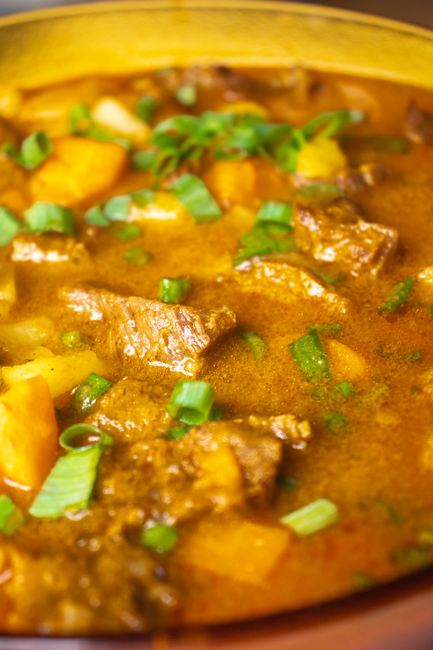
The Ultimate Guide to Beef and Guinness Stew: Flavor, Tradition, and Culinary Mastery
Beef and Guinness stew is a dish steeped in culinary tradition, a hearty and deeply flavorful masterpiece that has graced tables for generations. Its signature dark, rich gravy, infused with the malty, slightly bitter notes of Guinness stout, forms the perfect foil for tender chunks of beef and an assortment of root vegetables. This article delves into the essence of this iconic Irish stew, exploring its historical roots, the science behind its unparalleled flavor, ingredient selection, optimal cooking techniques, and variations to elevate your home cooking to award-winning standards. The journey into crafting the perfect Beef and Guinness stew is one of patience, quality ingredients, and a deep understanding of how flavors meld and transform under heat.
The historical lineage of Beef and Guinness stew is intrinsically linked to the working-class origins of Irish cuisine. While the precise inventor remains elusive, stews, in general, have been a staple in various cultures for centuries, offering a calorically dense and economical way to nourish large families. The incorporation of Guinness stout, however, marks a more specific evolutionary step. Developed by Arthur Guinness in the mid-18th century, his distinctive dark beer quickly became a popular and affordable beverage across Ireland. Its robust flavor profile, with notes of roasted barley, caramel, and a subtle bitterness, proved an ideal liquid base for slow-cooked meats and vegetables. Early versions likely featured simpler cuts of beef, hardy root vegetables like potatoes and carrots, and the ubiquitous Guinness. Over time, as culinary techniques evolved and access to a wider range of ingredients increased, the stew evolved into the sophisticated yet comforting dish we recognize today. It represents a fusion of humble beginnings with the transformative power of a single, iconic ingredient, a testament to the ingenuity of home cooks and the enduring appeal of simple, honest food.
The flavor profile of Beef and Guinness stew is a complex symphony orchestrated by the interplay of its core components. The beef, when slow-cooked, breaks down, releasing rich umami compounds that form the bedrock of the stew’s savory depth. The Guinness stout contributes significantly to this complexity. The roasting of the barley used in brewing imparts caramel and chocolate notes, while the inherent bitterness acts as a palate cleanser, preventing the stew from becoming overly cloying. Furthermore, the Maillard reaction, a chemical process occurring when food is browned, is crucial. Searing the beef before slow-cooking creates a crust rich in flavor compounds. As the stew simmers, these compounds leach into the liquid, forming the characteristic dark, glossy gravy. The root vegetables – typically carrots, parsnips, and celery – add sweetness and earthy undertones, balancing the richness of the beef and stout. Herbs like thyme and bay leaves contribute aromatic complexity, while the optional addition of Worcestershire sauce or a touch of tomato paste can further enhance the umami and depth. The slow cooking process itself is paramount, allowing these individual flavors to meld and harmonize, transforming disparate ingredients into a cohesive and deeply satisfying whole.
Selecting the right ingredients is the cornerstone of an exceptional Beef and Guinness stew. For the beef, prioritize cuts that benefit from slow cooking and possess good marbling, as this fat will render down, adding moisture and flavor. Chuck roast, also known as beef chuck or blade roast, is an ideal choice. Its connective tissue breaks down into gelatin during the slow cooking process, resulting in incredibly tender and succulent meat. Brisket is another excellent option, offering a robust beefy flavor that intensifies with braising. Avoid leaner cuts like sirloin or tenderloin, as they will become dry and tough when cooked for extended periods. For the Guinness, opt for the original Extra Stout. Its balanced flavor profile, with its characteristic roast barley notes and moderate bitterness, is perfectly suited for stew. While other stouts can be used, they may alter the final flavor profile. The vegetables should be fresh and firm. Carrots provide natural sweetness, while parsnips offer a more complex, slightly peppery sweetness. Celery adds a subtle herbaceous note and aromatic foundation. Onions, essential for building flavor, should be thoroughly caramelized to unlock their inherent sweetness. Potatoes, if included, should be waxy varieties like Yukon Gold or red potatoes, which hold their shape well during extended cooking. Fresh thyme and bay leaves are indispensable for their aromatic contributions; dried herbs can be used as a substitute but will offer a less vibrant flavor.
The cooking process for Beef and Guinness stew is a testament to the power of low and slow heat. The initial searing of the beef is a non-negotiable step. Using a heavy-bottomed pot or Dutch oven, heat a tablespoon or two of high-smoke-point oil (like canola or vegetable oil) over medium-high heat. Sear the beef in batches, ensuring not to overcrowd the pot, until a deep brown crust forms on all sides. This browning is crucial for developing flavor. Remove the seared beef and set aside. In the same pot, add a little more oil if needed, and sauté the chopped onions until softened and beginning to caramelize, about 5-7 minutes. Add the diced carrots, parsnips, and celery, and cook for another 5 minutes, allowing them to soften slightly. Deglaze the pot with a splash of Guinness, scraping up any browned bits from the bottom. This process, known as deglazing, captures all the flavorful fond. Next, return the seared beef to the pot. Add enough Guinness to partially cover the meat and vegetables. Incorporate a few sprigs of fresh thyme and a bay leaf. If using, stir in a tablespoon of all-purpose flour or a similar thickening agent like cornstarch slurry at this stage, or wait until the end for a lighter gravy. Bring the liquid to a simmer, then reduce the heat to low, cover the pot tightly, and let it cook for at least 2-3 hours, or until the beef is fork-tender. The exact cooking time will vary depending on the cut of beef and the size of the pieces. Periodically check the stew to ensure it is not drying out; add a little more Guinness or beef broth if necessary. Towards the end of the cooking time, if you’ve opted for flour as a thickener, you can whisk in a bit more dissolved in cold water to achieve your desired gravy consistency. Season generously with salt and freshly ground black pepper to taste.
Variations and enhancements can elevate Beef and Guinness stew from a simple comfort food to a truly gourmet experience. Mushrooms are a popular addition, adding an extra layer of earthy flavor and texture. Cremini or shiitake mushrooms, sautéed until golden brown before being added to the stew, are excellent choices. For a more robust flavor, consider adding a splash of Irish whiskey or a tablespoon of tomato paste during the sautéing of the onions. The tomato paste, when cooked down, contributes a savory depth and a hint of acidity. Some recipes incorporate pearl onions, which become tender and sweet during the slow cooking process. For a touch of richness, a dollop of sour cream or crème fraîche can be stirred in just before serving. For those seeking a spicier kick, a pinch of red pepper flakes or a finely chopped chili pepper can be added with the vegetables. The type of potato used can also be a subtle variation. While waxy potatoes are recommended for texture, some prefer the creamier texture that a floury potato like Russet might offer, though they require careful monitoring to prevent them from disintegrating entirely. Garnishes can further personalize the dish. Fresh parsley, chopped chives, or a sprinkle of smoked paprika can add visual appeal and a burst of fresh flavor. For a truly authentic experience, serve the stew with a side of crusty bread or traditional Irish soda bread, perfect for soaking up every last drop of the rich gravy.
The culinary significance of Beef and Guinness stew extends beyond its deliciousness; it is a cultural touchstone. It embodies the spirit of resourcefulness, transforming humble ingredients into something truly special. It is a dish that evokes warmth, hospitality, and the conviviality of shared meals. Its enduring popularity speaks to its universal appeal – a perfect balance of savory, sweet, and malty flavors that comfort and satisfy. Understanding the interplay of ingredients, mastering the slow-cooking technique, and embracing the tradition of this iconic dish allows any home cook to recreate a truly memorable culinary experience. The subtle nuances of flavor, achieved through careful searing, slow simmering, and the judicious use of Guinness, are what elevate this stew from mere sustenance to a culinary masterpiece. It is a dish that rewards patience and celebrates the fundamental principles of good cooking: quality ingredients, proper technique, and a deep appreciation for flavor.
