
Best Chocolate Chip Cookies
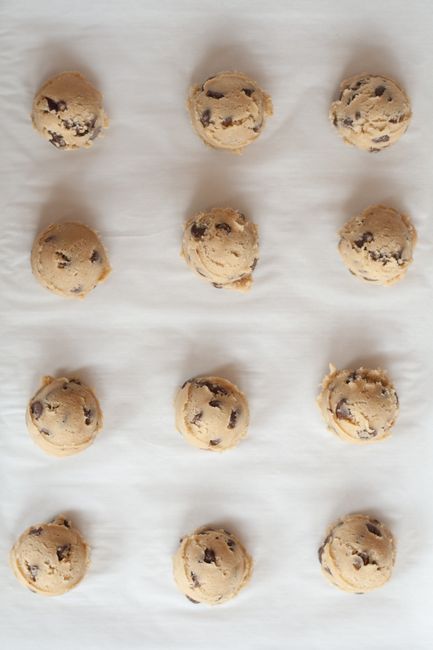
The Ultimate Guide to Perfect Chocolate Chip Cookies: Recipes, Tips, and Troubleshooting
Achieving the perfect chocolate chip cookie is a culinary quest for many. This guide delves into the core elements that define an exceptional cookie, offering actionable advice for bakers of all skill levels, from achieving the ideal texture – be it chewy, crisp, or cakey – to selecting the right ingredients for maximum flavor impact. We’ll explore the science behind browning, the role of fat and sugar ratios, and the subtle nuances that differentiate a good cookie from a truly unforgettable one. Understanding these fundamentals empowers you to consistently produce cookies that delight the senses, whether you’re a novice or a seasoned baker seeking to refine your craft.
The foundation of any great chocolate chip cookie lies in its ingredient selection. The quality of your butter, sugar, eggs, flour, and chocolate directly impacts the final outcome. For butter, unsalted is generally preferred as it allows for precise control over the salt content, which is crucial for balancing sweetness and enhancing flavor. Using high-fat European butter can contribute to a richer, more decadent cookie due to its higher fat percentage. Brown sugar, a cornerstone of chocolate chip cookies, provides moisture and a distinct caramel-like flavor. The ratio of dark brown sugar to granulated sugar is a key determinant of cookie texture. A higher proportion of brown sugar typically leads to a chewier cookie due to its hygroscopic nature (ability to attract and retain moisture). Granulated sugar, on the other hand, contributes to crispness and spread. Experimentation with the ratio, perhaps a 2:1 dark brown to granulated sugar blend, can yield a wonderfully balanced cookie with crisp edges and a soft, chewy center.
Eggs play a vital role in binding ingredients, adding richness, and contributing to the cookie’s structure and leavening. The temperature of your eggs can also influence the dough. Room temperature eggs emulsify more easily with butter and sugar, creating a smoother, more homogenous dough. Some bakers advocate for using an extra egg yolk for added richness and chewiness, or even an egg white for a slightly crisper texture. The type of flour used is another critical factor. All-purpose flour is standard, but its protein content can affect the cookie’s chewiness. High-protein flours can lead to tougher cookies, while lower-protein flours might result in a more tender crumb. Some recipes call for a small percentage of cake flour to reduce gluten development, resulting in a more delicate texture. Sifting your flour can also help aerate it, leading to a lighter cookie.
The chocolate itself is arguably the star. A variety of chocolate chips or chunks can be used, each offering a unique flavor profile. Semi-sweet is the classic choice, but exploring dark chocolate (60-70% cacao) can offer a more intense chocolate flavor and less sweetness. Milk chocolate can be used for a sweeter, creamier cookie, but it tends to melt more readily, potentially leading to a greasier cookie. For a truly elevated experience, consider using a combination of chocolate types, such as semi-sweet chips alongside chunks of high-quality dark chocolate. The size and shape of the chocolate pieces also matter. Larger chunks will create pockets of molten chocolate, while smaller chips will be more evenly distributed. Using high-quality couverture chocolate, which contains a higher percentage of cocoa butter, will result in a smoother melt and a more luxurious texture.
Mastering the creaming method is fundamental to achieving the desired cookie texture. This process involves beating softened butter and sugar together until light and fluffy. This incorporates air into the mixture, which contributes to leavening and a tender cookie. The duration and intensity of creaming are important; over-creaming can lead to tough cookies, while under-creaming may result in a flatter, denser cookie. The goal is to create a pale yellow, voluminous mixture. Once the butter and sugar are creamed, eggs are added one at a time, beating well after each addition to ensure they are fully incorporated and emulsified. Vanilla extract is also added at this stage, contributing its signature aroma and flavor.
When adding the dry ingredients – flour, baking soda, and salt – it’s crucial to avoid overmixing. Overmixing develops gluten, which can make cookies tough and chewy. A common technique is to mix the dry ingredients in a separate bowl and then gently fold them into the wet ingredients until just combined. Stop mixing as soon as you no longer see streaks of flour. The leavening agents, primarily baking soda, react with the acidic components in brown sugar (and sometimes other ingredients like molasses or buttermilk if used) to produce carbon dioxide gas, which causes the cookies to rise and spread. The amount of baking soda can significantly impact spread; more baking soda generally leads to thinner, crispier cookies.
Chilling the dough is a crucial step often overlooked but vital for superior chocolate chip cookies. Refrigerating the dough allows the flour to hydrate fully, which results in a more tender cookie and prevents excessive spreading during baking. It also solidifies the fat, preventing the cookies from becoming too greasy. The chilling time can vary, from a minimum of 30 minutes to several hours, or even overnight. Longer chilling times generally yield a more intense flavor and a chewier texture. Some bakers even advocate for freezing portions of the dough, which can be baked directly from frozen, albeit with slight adjustments to baking time.
The baking process itself requires attention to detail. Preheat your oven to the correct temperature, typically between 350°F (175°C) and 375°F (190°C). Oven temperatures can vary, so using an oven thermometer is recommended for accuracy. The baking time is critical for achieving the desired texture. Cookies should be baked until the edges are golden brown and set, while the centers still appear slightly underbaked and soft. They will continue to cook on the baking sheet after being removed from the oven due to residual heat. Overbaking will result in dry, hard cookies. Underbaking will lead to cookies that are too soft and may collapse.
Cooling the cookies properly is as important as baking them. Allow the cookies to cool on the baking sheet for a few minutes to set before carefully transferring them to a wire rack to cool completely. This prevents them from breaking and allows for even cooling, which contributes to their final texture. The surface of the cookie will continue to firm up as it cools.
Troubleshooting common cookie problems can save your baking endeavors. If your cookies are spreading too much, it could be due to:
- Too much sugar: A higher sugar content leads to more spread.
- Too little flour: Insufficient flour will result in a wetter dough that spreads excessively.
- Butter that is too soft or melted: The butter should be softened, not melted, when creamed.
- Overmixing the dough after adding flour: This develops too much gluten, which can contribute to spread.
- Oven temperature too low: A lower oven temperature can cause cookies to spread before they set.
- Baking soda as the primary leavener: Baking powder, which contains an acid, can provide more lift and less spread than baking soda alone.
If your cookies are too cakey, it might be because of:
- Too much flour: Excess flour can create a denser, cake-like texture.
- Too much leavening agent: Overuse of baking soda or baking powder can lead to a puffy, cakey cookie.
- Butter that is too cold or not creamed enough: Insufficient creaming means less air incorporated, resulting in a denser texture.
- Overmixing the dough: Developing too much gluten can make cookies tough and cakey.
- Oven temperature too high: A high temperature can cause the cookies to puff up quickly without developing the desired chewiness.
If your cookies are too hard and dry, consider these factors:
- Overbaking: This is the most common culprit. Remove cookies when the edges are golden and the centers are still slightly soft.
- Too much flour: Excess flour will absorb too much moisture, leading to dry cookies.
- Not enough fat: Insufficient butter will result in less moisture and tenderness.
- Too much leavening agent: This can lead to excessive puffing and then drying out.
- Oven temperature too low: This can cause cookies to dry out slowly.
For a truly superior chocolate chip cookie, consider these advanced techniques and flavor boosters. Using a combination of sugars, such as dark brown sugar for chewiness and molasses for depth of flavor, can elevate the cookie. Adding a pinch of espresso powder to the dough can intensify the chocolate flavor without adding a coffee taste. A sprinkle of flaky sea salt on top of the cookies just before baking enhances the sweet and savory balance. Some bakers swear by toasting their flour slightly before using it, which can impart a nuttier flavor and slightly alter the gluten structure for a more tender cookie.
Experimentation with different types of chocolate, as mentioned earlier, is key to finding your personal favorite. Consider using chocolate wafers or fèves, which melt more evenly and create luscious pockets of chocolate. For an extra layer of flavor, some recipes call for browning the butter before creaming it with sugar. Browning butter adds a nutty, caramelized note that is truly exceptional. The process involves melting butter and continuing to cook it over medium heat, stirring occasionally, until the milk solids at the bottom turn a rich, nutty brown. Be careful not to burn it.
The science behind the perfect cookie involves understanding the Maillard reaction and caramelization, both of which contribute to the browning and flavor development. The Maillard reaction, a complex series of chemical reactions between amino acids and reducing sugars, is responsible for the browning and development of complex flavors in many cooked foods, including cookies. Caramelization is the browning of sugars when heated, contributing to sweetness and depth of flavor. Achieving the ideal balance of these reactions is key to a well-baked cookie.
In conclusion, the pursuit of the perfect chocolate chip cookie is a rewarding journey. By understanding the impact of each ingredient, mastering essential techniques like creaming and chilling, and paying close attention to the baking and cooling processes, you can consistently produce cookies that are nothing short of spectacular. Don’t be afraid to experiment with different ratios, ingredient variations, and advanced techniques to discover your ultimate chocolate chip cookie recipe. The key is to approach baking with a thoughtful understanding of the underlying principles and a willingness to refine your craft. From the crisp edges to the chewy center, and the burst of molten chocolate, every element contributes to the enduring appeal of this beloved treat.
