
Best Darn Minestrone Soup Around
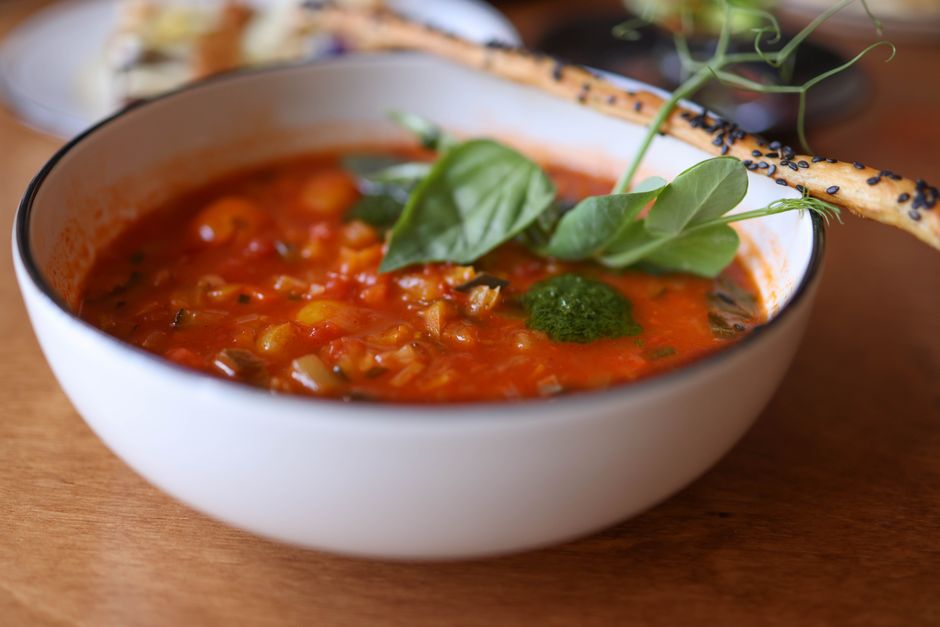
The Best Darn Minestrone Soup Recipe: A Culinary Masterpiece
Minestrone soup, a hearty Italian classic, transcends mere sustenance. It’s a vibrant celebration of seasonal vegetables, tender beans, and pasta swimming in a rich, savory broth. While countless variations exist, the quest for the "best darn minestrone" is a pursuit of balance, depth of flavor, and comforting satisfaction. This isn’t just about throwing ingredients into a pot; it’s about understanding the synergy of each element and employing techniques that elevate a simple soup to a truly memorable experience. This comprehensive guide will unlock the secrets to crafting a minestrone soup that will have everyone asking for seconds, detailing ingredient selection, preparation methods, and flavor-building strategies that guarantee exceptional results.
The foundation of any truly exceptional minestrone lies in the mirepoix, the aromatic trinity of diced onion, celery, and carrots. These humble vegetables, sautéed gently, release their sugars and develop a complex sweetness that underpins the entire soup. The quality of these ingredients is paramount. Opt for fresh, firm vegetables. For the onions, yellow or Spanish onions provide a good balance of sweetness and pungency. Celery should be crisp and fragrant, with no woody core. Carrots, preferably organic, offer natural sweetness and vibrant color. The key here is slow and low heat. Sautéing these vegetables in good quality olive oil until they are softened and translucent, not browned, allows them to meld and create a deeply aromatic base. This patient approach is crucial for developing the nuanced flavors that distinguish a good minestrone from a great one. Don’t rush this step; it’s the bedrock upon which all subsequent flavors will be built.
Beyond the mirepoix, garlic is an indispensable player. While often added alongside the mirepoix, consider adding it a minute or two later to prevent it from burning, which can impart a bitter taste. Finely minced garlic will dissolve into the broth, infusing it with its characteristic pungent aroma and subtle warmth. The quantity of garlic is a matter of personal preference, but a few cloves, properly minced, will significantly enhance the overall savory profile of the soup.
The heart of minestrone, however, lies in its diverse vegetable component. This is where seasonality and personal preference truly shine. A truly great minestrone embraces a medley of textures and flavors. Classic additions include zucchini and yellow squash, which add a delicate sweetness and tender bite. Green beans, blanched or added directly to the simmering soup, provide a satisfying crunch and fresh, grassy notes. Potatoes, diced into uniform pieces, absorb the broth beautifully and add a comforting heartiness. For a more robust flavor and satisfying texture, consider adding diced bell peppers, such as red or yellow, which contribute a mild sweetness and vibrant color. Canned diced tomatoes, preferably San Marzano for their sweetness and low acidity, form the liquid base and contribute a foundational tang. However, for an even deeper flavor, consider using fresh, ripe tomatoes in season, roughly chopped. The variety is the spice of life, and in minestrone, it’s the key to its unparalleled complexity. Don’t be afraid to experiment with other vegetables like peas, spinach, or even finely chopped cabbage for added texture and nutrients. The goal is to create a harmonious symphony of flavors and textures, where each vegetable plays its part without overwhelming the others.
The protein element in minestrone typically comes from beans. Cannellini beans, kidney beans, or borlotti beans are all excellent choices, offering creamy textures and earthy flavors. Canned beans are a convenient option, but be sure to rinse them thoroughly to remove excess sodium and the starchy liquid. For an even richer flavor and a more refined texture, consider using dried beans, soaked overnight and cooked until tender before adding them to the soup. This extra step, while time-consuming, significantly elevates the quality of the beans and, consequently, the entire soup. The starch released from well-cooked dried beans also contributes to the soup’s creamy consistency. A combination of two or three types of beans can provide a more interesting textural and flavor profile.
The broth is the lifeblood of minestrone. While vegetable broth is a common choice, a good quality chicken broth or even a beef broth can add a more profound depth of flavor. For the ultimate minestrone, consider making your own homemade broth from vegetable scraps and chicken bones. This will imbue the soup with a richness that is simply unattainable with store-bought options. If using store-bought broth, opt for low-sodium varieties to control the saltiness of the final dish. The simmering time is critical for allowing the flavors to meld. A minimum of 30 minutes of gentle simmering is recommended, but longer, slow cooking will yield even more profound results.
The addition of pasta or grains is another hallmark of authentic minestrone. Small pasta shapes like ditalini, elbow macaroni, or even orzo are ideal. They cook quickly and absorb the flavors of the broth beautifully. Alternatively, rice or barley can be used for a heartier, more rustic soup. The key is to cook the pasta or grains al dente, ensuring they retain a slight bite and don’t become mushy in the soup. Some purists prefer to cook the pasta separately and add it to individual bowls just before serving to prevent it from absorbing too much liquid and becoming overcooked. This is a worthwhile technique if you are preparing the soup in advance or planning on leftovers.
Flavor enhancement is where the "best darn" truly comes into play. Beyond the base aromatics and vegetables, consider incorporating dried herbs like oregano, basil, and thyme. A bay leaf, added during simmering and removed before serving, contributes a subtle, herbaceous depth. For a touch of umami, a parmesan rind simmered in the broth can work wonders, imparting a savory, cheesy note. Red pepper flakes can be added for a gentle warmth that awakens the palate. A splash of balsamic vinegar or a squeeze of lemon juice just before serving can brighten the flavors and add a refreshing acidity. These finishing touches, often overlooked, are what elevate a good soup to exceptional.
The cooking process itself requires a large, heavy-bottomed pot or Dutch oven. This ensures even heat distribution, preventing scorching and allowing for a gentle simmer. The order of operations is important. Sautéing the mirepoix first, followed by the harder vegetables like carrots and potatoes, then the softer vegetables and beans, and finally the tomatoes and broth, creates a layered flavor development. The pasta or grains are typically added in the final 10-15 minutes of cooking, depending on their type.
Seasoning is an ongoing process. Taste and adjust the salt and pepper throughout the cooking. It’s easier to add more salt than to remove it. Consider a pinch of sugar to balance the acidity of the tomatoes if they are particularly tart. The final seasoning, with fresh herbs and a drizzle of good olive oil, is crucial for bringing all the flavors together.
For those seeking a truly authentic experience, consider a soffritto, the Italian slow-cooked base of finely diced vegetables, often including pancetta or guanciale for added depth. While not strictly traditional in all minestrone recipes, incorporating a small amount of finely diced pancetta, rendered until crispy, and then sautéing the mirepoix in the rendered fat can add an unparalleled layer of savory richness. The crispy pancetta bits can then be reserved and sprinkled over the finished soup for added texture and flavor.
The textural contrast within minestrone is key to its appeal. The tender vegetables, the creamy beans, the firm pasta, and the savory broth all contribute to a satisfying mouthfeel. Overcooking vegetables will result in a mushy soup, robbing it of its character. Similarly, overcooked pasta will disintegrate and create an unappealing texture.
The versatility of minestrone is another reason for its enduring popularity. It’s a dish that can be adapted to whatever ingredients are at hand. It’s a fantastic way to use up leftover vegetables from the refrigerator, transforming them into a delicious and nourishing meal. This flexibility makes it an ideal soup for any season, though it truly shines during the cooler months.
To achieve the "best darn" minestrone, embrace the philosophy of slow cooking and patient flavor development. Don’t be tempted to rush the process. The time spent simmering and allowing the ingredients to meld is what truly transforms a good soup into a culinary masterpiece. The aroma that fills your kitchen as the minestrone simmers is a testament to the magic that is unfolding in the pot.
The finishing touches are crucial. A generous drizzle of high-quality extra virgin olive oil just before serving adds a luxurious sheen and a fresh, peppery note. Freshly grated Parmesan cheese is non-negotiable for many, adding a salty, nutty complexity. A sprinkle of fresh parsley or basil provides a burst of color and a final herbaceous flourish. Some may even enjoy a side of crusty bread for dipping into the rich broth, further enhancing the sensory experience.
Ultimately, the "best darn minestrone" is a deeply personal creation. It’s about understanding the fundamental principles and then applying them with a touch of creativity and a whole lot of love. By focusing on quality ingredients, proper technique, and a commitment to flavor layering, you can create a minestrone soup that will be remembered long after the last spoonful. This is more than just a recipe; it’s an invitation to experience the heart and soul of Italian comfort food. The journey to the best darn minestrone is one of exploration, experimentation, and ultimately, pure deliciousness.
