
Camarones Al Ajillo Garlic Shrimp
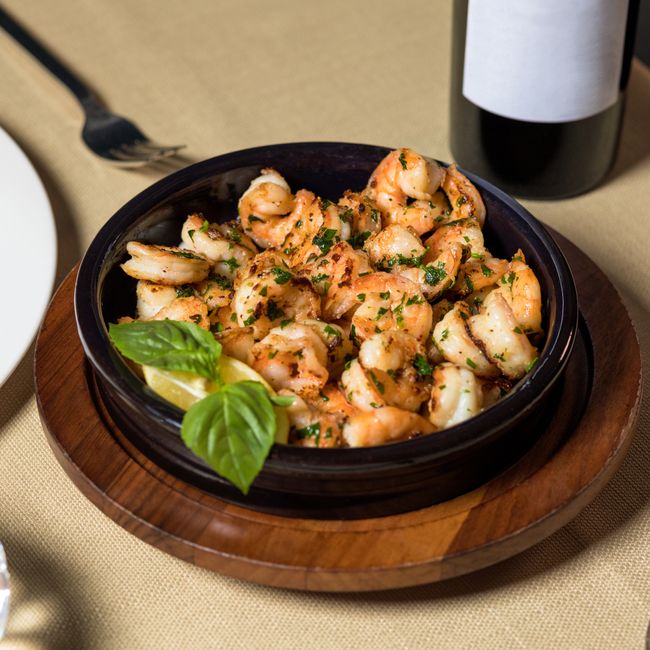
Camarones al Ajillo: A Culinary Masterpiece of Garlic Shrimp
Camarones al ajillo, a Spanish classic translating to "shrimp in garlic," is a deceptively simple yet profoundly flavorful dish. Its elegance lies in the harmonious interplay of succulent shrimp, pungent garlic, and fragrant olive oil, often elevated with a touch of heat from chili peppers and a whisper of sherry or white wine. This culinary staple, originating from Spain’s tapas culture, has transcended its Iberian roots to become a beloved appetizer and light meal worldwide. The sheer versatility of camarones al ajillo allows it to grace a variety of dining occasions, from casual get-togethers to more sophisticated gatherings, always promising a burst of savory delight with every bite. The foundation of this dish is, unequivocally, the quality of its ingredients. Fresh, plump shrimp are paramount, their natural sweetness forming the perfect canvas for the bold garlic infusion. The garlic itself, finely minced or sliced, releases its aromatic oils under gentle heat, transforming into a fragrant, mellow essence that permeates the entire dish without overwhelming the delicate seafood.
The cooking process for camarones al ajillo is remarkably straightforward, emphasizing speed and minimal intervention to preserve the shrimp’s delicate texture and inherent sweetness. Typically, the dish begins with a generous amount of high-quality olive oil heated in a skillet, often a traditional cazuela or a heavy-bottomed pan to ensure even heat distribution. It’s crucial to use good olive oil, as its flavor profile significantly contributes to the final dish. As the oil shimmers, finely minced or thinly sliced garlic is introduced. The garlic is then sautéed gently, taking care not to burn it, which would impart a bitter, unpleasant taste. The aim is to toast the garlic until it is fragrant and lightly golden, releasing its complex aromas into the oil. This infusion is the heart of the dish’s flavor. The next critical step involves the addition of shrimp. Pre-peeled and deveined shrimp, preferably medium to large in size for optimal texture, are added to the garlic-infused oil. The heat should be high enough to cook the shrimp quickly, typically for only a few minutes per side, until they turn opaque and pink. Overcooking the shrimp will result in a rubbery, less enjoyable texture, so vigilance is key.
Many variations of camarones al ajillo incorporate a subtle yet impactful element of heat, most commonly introduced through dried red chili flakes (guindillas or similar varieties) or small, thinly sliced fresh red chilies. These are often added to the olive oil alongside the garlic, allowing their capsaicin to infuse the oil and impart a gentle warmth that complements the richness of the garlic and shrimp. The exact amount of chili is a matter of personal preference, ranging from a barely perceptible hint to a more pronounced spiciness. This element of heat adds another layer of complexity, awakening the palate and creating a more dynamic flavor experience. Another common addition, particularly in more refined preparations, is a splash of dry sherry or white wine. This liquid is typically added towards the end of the cooking process, after the shrimp have nearly cooked through. The alcohol evaporates, leaving behind a subtle fruity or nutty undertone that enhances the overall flavor profile and creates a slightly more viscous sauce. The wine or sherry also helps to deglaze the pan, incorporating any flavorful bits that may have adhered to the bottom.
The final seasonings for camarones al ajillo are typically straightforward, relying on the inherent flavors of the core ingredients. Freshly chopped parsley is almost always a signature finish, providing a burst of herbaceous freshness and a vibrant green color that contrasts beautifully with the pink shrimp and golden garlic. A generous pinch of salt and freshly ground black pepper are essential for balancing and enhancing all the flavors. Some chefs might add a squeeze of fresh lemon juice just before serving, which can brighten the dish and cut through the richness of the olive oil and garlic. However, this is an optional step, as the sherry or wine can also provide a similar acidity. The dish is best served immediately, piping hot, to ensure the shrimp are perfectly cooked and the garlic is fragrant.
The culinary significance of camarones al ajillo extends beyond its immediate deliciousness. It represents a fundamental approach to Spanish cooking: celebrating fresh, high-quality ingredients with minimal manipulation. The dish exemplifies the concept of "cocina de aprovechamiento" (cuisine of making the most of things) and "kilómetro cero" (zero kilometer), emphasizing local produce and simple, effective techniques. Its enduring popularity is a testament to its inherent appeal, a dish that is both comforting and exciting. In the realm of Spanish tapas, camarones al ajillo holds a revered position. It is a staple on almost every tapas menu, a reliable crowd-pleaser that embodies the spirit of sharing and convivial dining. The small, individual portions are perfect for sampling alongside other dishes, encouraging exploration of a diverse culinary landscape.
From a nutritional perspective, camarones al ajillo offers a good source of lean protein from the shrimp, which are also rich in selenium, vitamin B12, and omega-3 fatty acids. Olive oil, the primary fat source, is a cornerstone of the Mediterranean diet, lauded for its heart-healthy monounsaturated fats and antioxidant properties. Garlic, of course, is renowned for its purported health benefits, including its immune-boosting and anti-inflammatory properties. While the dish is relatively low in carbohydrates, it’s important to consider the overall meal context. When served as an appetizer, the calories are modest, but as a main course, particularly when accompanied by bread for dipping, the caloric intake will naturally increase.
The preparation of camarones al ajillo is a gateway into understanding the nuances of Spanish cuisine. The quality of the olive oil, for instance, can dramatically alter the final flavor. A robust, peppery extra virgin olive oil will impart a different character than a milder, fruitier one. Similarly, the type and freshness of the garlic are crucial. Young, tender garlic will offer a sweeter, more mellow flavor, while aged garlic can become more pungent. The choice of shrimp also plays a significant role. Larger, wild-caught shrimp often have a more intense flavor and firmer texture than smaller, farmed varieties.
Variations on the classic camarones al ajillo are abundant, reflecting regional preferences and individual culinary creativity. Some recipes might incorporate a touch of smoked paprika (pimentón de la Vera) for an additional layer of smoky complexity. Others might add a few sprigs of thyme or a bay leaf to the oil while the garlic is infusing, imparting subtle herbaceous notes. The use of different types of chili peppers can also lead to a spectrum of heat profiles. For a more pronounced spiciness, a habanero or Scotch bonnet pepper could be used judiciously, but this would significantly alter the dish’s characteristic mild heat. For a sweeter, less pungent chili flavor, a mild jalapeño or even a sweet bell pepper, thinly sliced, could be incorporated.
The presentation of camarones al ajillo is as important as its preparation. Traditionally, it is served in a small, rustic ceramic dish or a cast-iron skillet, keeping the dish warm and allowing the aromas to waft enticingly. The vibrant color of the shrimp, the glistening garlic, and the flecks of green parsley create a visually appealing appetizer. The accompanying bread is not merely a garnish but an integral part of the experience. Crusty bread, such as a baguette or a rustic sourdough, is perfect for soaking up the flavorful garlic-infused olive oil, a practice known as "mojar el pan." This simple act elevates the dish, ensuring no drop of the delicious oil is wasted.
Beyond the classic preparation, camarones al ajillo can also be a foundation for other dishes. The leftover garlic-infused oil can be used as a base for sauces, marinades, or even to sauté vegetables, adding a touch of Spanish flair to other culinary creations. The shrimp themselves, once cooked, can be incorporated into pasta dishes, salads, or paellas, infusing them with their signature garlic aroma. This adaptability underscores the versatility of this seemingly simple dish, making it a valuable addition to any home cook’s repertoire. The accessibility of its ingredients and its straightforward preparation make it an ideal dish for novice cooks to master, while its nuanced flavors and potential for variation offer ample room for culinary exploration for experienced chefs.
When considering SEO for camarones al ajillo, keywords such as "garlic shrimp recipe," "Spanish shrimp appetizer," "easy seafood recipe," "tapas garlic shrimp," and "how to make camarones al ajillo" are crucial. High-quality images and clear, concise instructions are also vital for user engagement and search engine ranking. Including terms like "extra virgin olive oil," "fresh garlic," "parsley," and "chili flakes" will further refine the search results for those seeking specific ingredient information. The dish’s global appeal also means incorporating variations and translations in relevant languages could broaden its reach.
In conclusion, camarones al ajillo is more than just a dish; it’s a culinary philosophy. It’s a celebration of simplicity, quality, and the profound flavors that can be coaxed from a few humble ingredients. Its enduring appeal lies in its ability to transport diners to the vibrant streets of Spain with every savory bite, a testament to the power of well-executed, classic cuisine. The perfect balance of garlic, shrimp, and olive oil, with the optional kiss of chili and wine, creates a dish that is both comforting and invigorating, making it a perennial favorite for good reason.
