
Chef Johns Shrimp Tempura
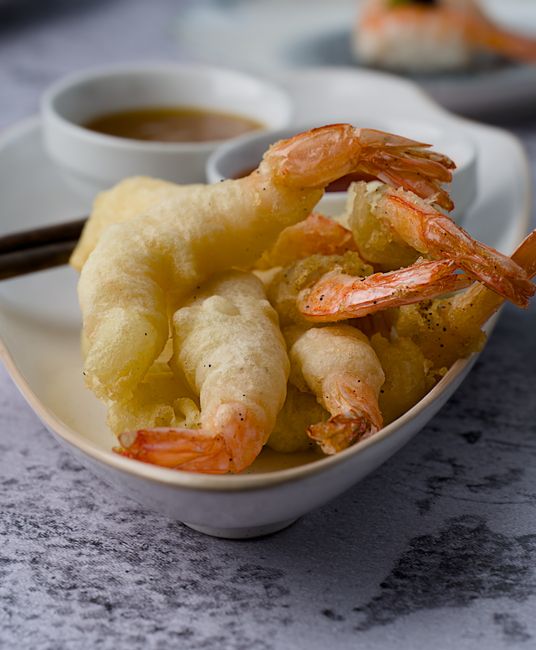
Chef John’s Shrimp Tempura: A Masterclass in Crispy Perfection
Achieving truly exceptional shrimp tempura, the kind that shatters with a satisfying crunch and reveals succulent, perfectly cooked shrimp within, is a culinary endeavor that often elicits a mixture of admiration and intimidation. Chef John, a renowned figure in the online cooking community, has demystified this often-feared dish, presenting a recipe and technique that prioritizes accessibility without sacrificing the hallmarks of authentic, restaurant-quality tempura. His approach focuses on understanding the fundamental principles that lead to that signature airy, crisp batter and prevents the common pitfalls of greasiness or a heavy coating. This article will delve deep into Chef John’s methodology for creating his celebrated shrimp tempura, breaking down each critical element from ingredient selection to the intricacies of frying for optimal results.
The foundation of any great tempura lies in the batter, and Chef John’s recipe is remarkably straightforward yet meticulously balanced. He champions a batter composed of all-purpose flour, cornstarch, and baking soda. The ratio is crucial: typically, he utilizes a higher proportion of flour to cornstarch. This isn’t a rigid, unchangeable formula, but a guideline that allows for experimentation. The cornstarch contributes significantly to the crispness, preventing the batter from becoming doughy. The baking soda, in small quantities, acts as a leavening agent, creating tiny air pockets that contribute to the lightness and ethereal texture of the finished tempura. A common mistake novice tempura makers make is over-mixing the batter. Chef John adamantly advises against this. The batter should be mixed just until the dry ingredients are incorporated into the wet. Lumps are not the enemy; in fact, a slightly lumpy batter is preferable. Over-mixing develops gluten in the flour, which leads to a tougher, less delicate batter, negating the desired tempura crisp. The presence of lumps means that the gluten hasn’t been fully hydrated, resulting in a lighter, more fractured batter during frying that yields that characteristic crunch.
The liquid component of the batter is equally important, and Chef John’s preference is for ice-cold water or sparkling water. The extreme cold is paramount. Cold ingredients slow down gluten development in the flour, further enhancing the batter’s delicate texture. Some chefs advocate for using a mix of water and egg, but Chef John often leans towards a simpler, water-based batter for its purity of flavor and crispness. The ice-cold water helps create steam during frying, which expands the batter, leading to a lighter, crispier coating. Using sparkling water introduces carbonation, which also contributes to aeration and a lighter texture. The bubbles from the carbonation create more surface area for the batter to crisp up. The batter should be relatively thin, not thick and pancake-like. It should coat the shrimp with a light, translucent layer, not a heavy, opaque shroud. Think of it as a delicate veil rather than a thick glove. This thinness allows the shrimp to cook through quickly without the batter becoming overcooked or greasy.
The choice of shrimp is another fundamental consideration. Chef John generally recommends medium to large-sized shrimp, peeled and deveined, with the tail left on. The tail serves as a natural handle during dipping and frying, and it also adds an appealing visual element to the finished tempura. When peeling and deveining, it’s important to leave the last segment of the tail intact. For optimal texture, the shrimp should be thoroughly dried before being dipped into the batter. Moisture on the surface of the shrimp will cause the batter to slide off, leading to uneven coating and an inconsistent crunch. Patting them dry with paper towels is essential. Some chefs also suggest making a few shallow cuts along the underside of the shrimp to prevent them from curling excessively during frying. This technique allows the shrimp to lie flatter and cook more evenly.
The frying oil and temperature are critical for achieving the signature tempura crisp and preventing greasiness. Chef John advocates for a neutral-flavored oil with a high smoke point, such as vegetable oil, canola oil, or peanut oil. The oil temperature should be maintained consistently between 350°F and 375°F (175°C to 190°C). Too low a temperature will result in the shrimp absorbing too much oil, leading to a greasy, soggy product. Too high a temperature will cause the batter to burn before the shrimp is cooked through. A reliable thermometer is indispensable for maintaining the correct oil temperature. It’s also important not to overcrowd the frying pan. Frying too many pieces at once will significantly lower the oil temperature, leading to the aforementioned greasiness. Fry in batches, allowing the oil temperature to recover between each batch.
The technique for battering and frying is where Chef John’s practical guidance truly shines. Before frying, it’s beneficial to lightly dust the dried shrimp with a small amount of flour. This acts as a primer, helping the tempura batter adhere more effectively. The shrimp are then dipped into the prepared ice-cold batter, allowing any excess to drip off. The goal is a light, even coating. Some chefs recommend a double-dip or a more elaborate battering technique, but Chef John’s simplicity emphasizes that a single, well-executed dip is sufficient for excellent results. The battered shrimp are then carefully lowered into the hot oil, one by one. They should be placed gently to avoid splashing hot oil. The shrimp will float to the surface as they cook. They typically take only a few minutes to cook, turning golden brown and crispy. The cooking time will vary depending on the size of the shrimp and the oil temperature. Chef John advises frying until the shrimp are cooked through and the batter is a beautiful golden hue.
Crucially, the fried tempura should be immediately drained on a wire rack placed over a baking sheet. This allows air to circulate around the tempura, preventing the bottom from becoming soggy and maintaining its crispness. Avoid draining on paper towels, as this can trap steam and lead to a less-than-ideal texture. The wire rack ensures that the hot oil can drip away freely, leaving the tempura crisp. Chef John also emphasizes the importance of serving tempura immediately. Tempura is at its absolute peak of crispness and delicate flavor right after frying. As it sits, the batter will begin to absorb moisture from the air and the shrimp, leading to a loss of its signature crunch.
While shrimp tempura is the star, the accompanying dipping sauce, known as tentsuyu, is an integral part of the experience. Chef John’s tentsuyu is a simple yet flavorful broth that complements the richness of the tempura without overwhelming it. It’s typically made with dashi (Japanese soup stock), soy sauce, and mirin (Japanese sweet rice wine). The dashi provides a subtle umami depth, the soy sauce adds saltiness and color, and the mirin contributes a touch of sweetness and gloss. Some variations may include a small amount of sugar or sake. The tentsuyu is often served warm or at room temperature, and it’s customary to garnish it with grated daikon radish and finely chopped scallions. The sharp, slightly peppery bite of the daikon and the fresh onion flavor of the scallions cut through the richness of the tempura, providing a balanced flavor profile. The dipping process itself is also an art form; a light dip is all that’s needed to impart flavor.
Beyond the basic shrimp tempura, Chef John’s techniques can be adapted for other ingredients. Vegetables like sweet potatoes, green beans, zucchini, and asparagus also lend themselves beautifully to tempura preparation. The principles of batter consistency, oil temperature, and proper draining remain the same, allowing for a versatile approach to tempura making. The key is to ensure that all ingredients are of a similar size and cook time, or to adjust the cooking time accordingly. For instance, denser vegetables like sweet potatoes may require a slightly longer cooking time or to be cut into thinner pieces.
In summary, Chef John’s shrimp tempura recipe and methodology are built on a foundation of accessible ingredients, precise techniques, and a deep understanding of the science behind crispness. By focusing on an ice-cold, lightly mixed batter, impeccably prepared shrimp, and carefully controlled frying temperatures, home cooks can consistently achieve restaurant-quality results. The emphasis on simplicity, rather than complex steps, empowers even novice cooks to master this beloved Japanese delicacy. The satisfaction of biting into perfectly crisp, flavorful shrimp tempura, crafted with Chef John’s insights, is a testament to the power of clear instruction and fundamental culinary principles.
