
Chinese Shrimp And Tofu Soup
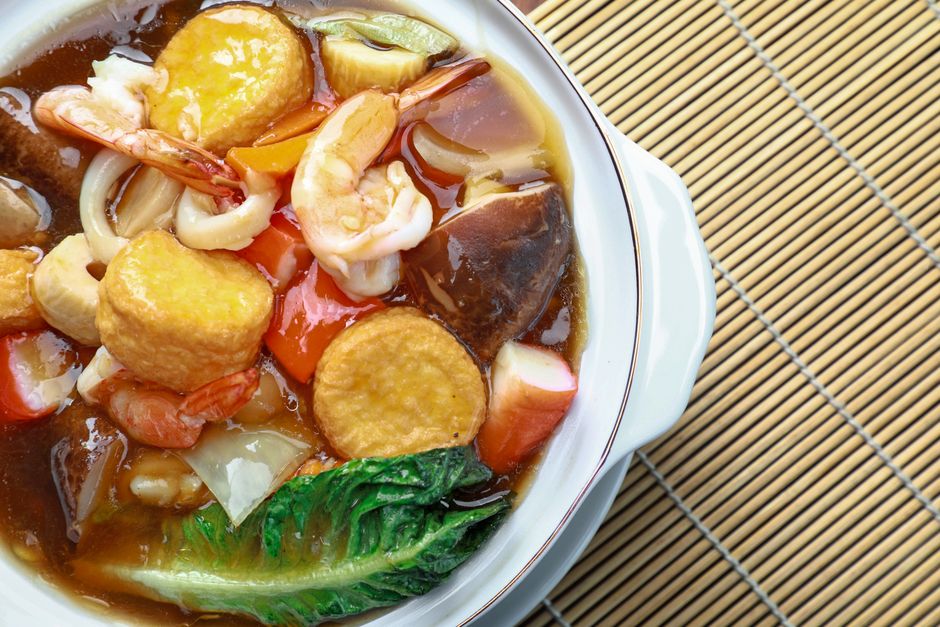
Chinese Shrimp and Tofu Soup: A Culinary Exploration of Flavor and Texture
Chinese shrimp and tofu soup, a seemingly simple dish, embodies a sophisticated interplay of ingredients that results in a profoundly satisfying and nourishing culinary experience. This soup is a staple in many Chinese households and restaurants, celebrated for its delicate yet robust flavors, its varied textures, and its perceived health benefits. At its core, the soup relies on the harmonious pairing of plump, succulent shrimp and silken, tender tofu, suspended in a fragrant and umami-rich broth. The culinary journey of this soup begins with the selection of high-quality ingredients, where the freshness of the shrimp and the quality of the tofu are paramount. For the shrimp, a medium to large size is generally preferred, ensuring a satisfying bite without becoming tough. They should be peeled and deveined, with the shells and heads optionally reserved to enhance the broth’s depth. The tofu, a cornerstone of Chinese cuisine, offers a blank canvas for flavors to permeate. Silken or soft tofu is ideal for this soup, as its delicate structure melts in the mouth, contrasting beautifully with the firmer texture of the shrimp. Firm or extra-firm tofu can also be used, offering a more substantial bite, but the silken variety is often considered the more traditional and authentic choice for this particular soup. Beyond these two protagonists, a supporting cast of aromatics and seasonings elevates the soup from ordinary to extraordinary. Ginger and garlic, fundamental to Chinese cooking, provide an aromatic foundation, their pungent notes awakening the palate. Scallions, with their fresh, oniony bite, add a vibrant green hue and a subtle sweetness. The broth itself is the soul of the soup. While a basic chicken or vegetable broth can serve as a starting point, a more nuanced approach often involves creating a homemade shrimp stock from the reserved shells and heads, extracting their sweet, briny essence. This homemade stock imbues the soup with an unparalleled depth of flavor, a testament to the principle of minimizing waste and maximizing taste in Chinese culinary traditions.
The preparation of Chinese shrimp and tofu soup, while not overly complex, requires attention to detail and a sequential approach to cooking to ensure each ingredient reaches its optimal texture and flavor profile. The process typically begins with preparing the broth. If using a homemade shrimp stock, the shells and heads are simmered with water, aromatics like ginger slices, and sometimes a few peppercorns, for about 30-45 minutes. This simmering process extracts the latent flavors, resulting in a clear, aromatic liquid. Once the stock is strained, it forms the base of the soup. For those opting for a pre-made broth, it’s essential to choose a low-sodium variety to allow for better control over the final seasoning. The aromatics are then introduced. Fresh ginger, thinly sliced or minced, and garlic, also minced, are often sautéed briefly in a touch of oil (sesame oil is a popular choice for its distinct aroma) before the broth is added. This brief sautéing, known as "fragrance blooming," releases their volatile oils, infusing the broth with their characteristic warmth and pungency. This foundational step is crucial for building layers of flavor.
The tofu is then gently introduced into the simmering broth. Depending on the desired texture, the tofu can be cubed or gently broken into bite-sized pieces. It’s important to handle the silken tofu with care to prevent it from disintegrating too much. Allowing the tofu to simmer for a few minutes permits it to absorb the flavors of the broth and aromatics, becoming tender and yielding. Following the tofu, the shrimp are added. Since shrimp cook very quickly, they are typically added towards the end of the cooking process to prevent them from becoming rubbery. The shrimp should be added just as they begin to turn pink and opaque. Overcooking shrimp will diminish their delicate sweetness and result in a less desirable texture. The visual cue of the shrimp turning from translucent grey to opaque pink is the signal for their readiness.
Seasoning is a critical element that brings the disparate flavors together. Soy sauce, a staple in Chinese cooking, provides salinity and umami. Light soy sauce is generally preferred for its milder flavor and lighter color, preventing the soup from becoming too dark. A touch of Shaoxing wine, a Chinese rice wine, can add complexity and depth, its subtle sweetness and nutty notes complementing the seafood and tofu. White pepper is often used for its clean, sharp heat, a more refined spice than black pepper, and it doesn’t impart color to the delicate broth. Salt is added judiciously, tasting and adjusting as needed, to achieve the perfect balance. Sometimes, a small amount of sugar is added to round out the flavors and temper any potential bitterness.
The finishing touches transform the soup into a visually appealing and texturally diverse dish. Freshly chopped scallions, added just before serving, offer a bright, fresh contrast to the cooked ingredients and a vibrant green color. A drizzle of toasted sesame oil, applied at the very end, imparts its distinctive nutty aroma, a quintessential element of many Chinese soups. Some variations might include other elements to enhance the textural and flavor profile. For instance, thinly sliced shiitake mushrooms, rehydrated if dried, can add an earthy depth and a chewy texture. A small amount of cornstarch slurry (cornstarch mixed with water) can be used to thicken the broth slightly, creating a more luxurious mouthfeel, although many prefer a thinner broth for this specific soup to allow the delicate flavors to shine. Some recipes might also incorporate a beaten egg, swirled into the simmering broth to create delicate ribbons of egg, further enhancing the texture and protein content. This addition, often referred to as "egg drop soup" technique, is a common embellishment for many Chinese soups. The versatility of Chinese shrimp and tofu soup lies in its adaptability, allowing for personal preferences and available ingredients to influence the final outcome.
Beyond its immediate culinary appeal, Chinese shrimp and tofu soup is often lauded for its nutritional benefits, making it a popular choice for those seeking both flavor and well-being. Shrimp are an excellent source of lean protein, providing essential amino acids for muscle repair and growth. They are also rich in selenium, an antioxidant that plays a role in immune function and thyroid health, and vitamin B12, crucial for nerve function and DNA synthesis. The omega-3 fatty acids present in shrimp, though in smaller quantities compared to fatty fish, contribute to cardiovascular health. Tofu, derived from soybeans, is a complete protein, offering all nine essential amino acids, making it a valuable food for vegetarians and vegans, as well as those looking to diversify their protein intake. It is also a good source of calcium and iron, particularly if fortified. Furthermore, tofu is low in saturated fat and cholesterol-free. The ginger and garlic used in the soup are renowned for their medicinal properties. Ginger has been traditionally used to aid digestion, reduce nausea, and possess anti-inflammatory effects. Garlic is known for its potential immune-boosting properties and its contribution to cardiovascular health through its sulfur compounds. The low-calorie nature of the soup, especially when prepared without excessive oil or thickeners, makes it an ideal option for weight management. The combination of protein from shrimp and tofu provides satiety, helping to curb appetite. The hydration provided by the broth is also essential for overall bodily functions. When considering the overall nutritional profile, Chinese shrimp and tofu soup emerges as a balanced and wholesome dish, offering a good ratio of macronutrients and micronutrients.
The cultural significance of Chinese shrimp and tofu soup, though perhaps not as prominent as some more elaborately prepared dishes, is rooted in the everyday practicality and communal nature of Chinese cuisine. Soups are an integral part of Chinese meals, often served at the beginning or end, and sometimes throughout, to cleanse the palate, aid digestion, and provide a sense of comfort and nourishment. This particular soup, with its accessible ingredients and relatively simple preparation, embodies the spirit of home cooking – a dish that can be made with love and shared with family. It speaks to the Chinese culinary philosophy of utilizing readily available ingredients and transforming them into something delicious and beneficial. The presence of both seafood (shrimp) and plant-based protein (tofu) reflects a holistic approach to nutrition, drawing from different food groups. In regions where seafood is abundant, shrimp would be a natural and frequent inclusion. In areas where plant-based staples are more prevalent, tofu would take center stage. This soup represents a delicious convergence of these elements. Furthermore, its subtle flavors and delicate textures make it suitable for a wide range of palates, including children and the elderly, reinforcing its role as a family-friendly dish. The act of preparing and sharing soup fosters a sense of togetherness, a cornerstone of Chinese social customs surrounding food. It’s a dish that can be enjoyed during casual weeknight dinners as well as for more celebratory occasions, showcasing its versatility. The widespread popularity of Chinese shrimp and tofu soup across various regions of China and in Chinese diaspora communities worldwide speaks to its universal appeal and its ability to transcend geographical and cultural boundaries, a testament to its enduring culinary merit. The ease with which it can be adapted to local ingredients and tastes further solidifies its position as a beloved and enduring classic.
Exploring variations and enhancements of Chinese shrimp and tofu soup reveals its remarkable adaptability and the creative potential inherent in its foundational recipe. One common and impactful variation involves the addition of other types of seafood. For instance, small scallops can be added alongside the shrimp, contributing a different type of sweetness and a slightly firmer texture. Clams or mussels, when cooked in the broth, can impart an even richer oceanic flavor. For those who enjoy a bit of a bite, small pieces of fish fillet, such as cod or sole, can be gently poached in the soup, adding another layer of protein and a delicate flakiness. The tofu itself can also be varied. While silken tofu is traditional, some prefer to use medium or firm tofu for a more substantial chew. Fried tofu puffs, which absorb broth wonderfully, can also be incorporated for a richer, more satisfying texture. Another avenue for variation lies in the broth. While shrimp stock is ideal, a well-made dashi broth, with its characteristic umami from kombu and katsuobushi, can offer a distinctively Japanese-inspired twist. A clear mushroom broth, utilizing dried shiitake mushrooms for their intense flavor, can provide a deeply earthy and satisfying vegetarian alternative, omitting the shrimp and using a vegetarian broth base. The inclusion of vegetables is another significant area for customization. Thinly sliced bok choy or napa cabbage can be added towards the end of cooking, providing a pleasant crunch and a mild, slightly sweet flavor. Snow peas or snap peas offer a vibrant green color and a crisp texture. Corn kernels, either fresh or frozen, can add a touch of sweetness and a pop of color. For a spicier rendition, a few slices of fresh chili pepper or a pinch of chili flakes can be incorporated into the broth. The addition of a few drops of chili oil at the end can also provide a welcome kick. Fermented ingredients can also add complexity. A small amount of fermented black beans, rinsed and lightly mashed, can introduce a salty, savory depth. A touch of fish sauce, used sparingly, can enhance the umami profile without lending a fishy overtone. The use of herbs can also elevate the soup. A few sprigs of cilantro, added fresh at the end, offer a bright, herbaceous note. Toasted nuts, such as slivered almonds or crushed peanuts, can provide a surprising textural contrast and a nutty flavor, though this is a less traditional addition. The fundamental beauty of Chinese shrimp and tofu soup lies in its ability to serve as a canvas for a multitude of flavors and textures, allowing cooks to tailor it to their individual preferences and dietary needs, all while maintaining its essence of simple, nourishing goodness. Each variation, from subtle shifts in seasoning to the inclusion of entirely new ingredients, serves to highlight the versatility and enduring appeal of this classic Chinese dish, demonstrating its capacity to evolve while remaining true to its comforting and delicious core.
