
Cream Of Mushroom Sauce
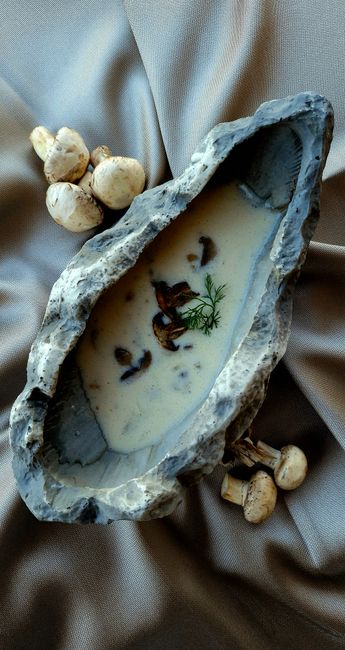
Cream of Mushroom Sauce: A Culinary Cornerstone, Versatile Applications, and Essential Techniques
Cream of mushroom sauce, a rich and velvety emulsion, stands as a foundational element in countless culinary traditions. Its comforting aroma and luscious texture make it a beloved accompaniment to a wide array of dishes, from humble casseroles to elegant main courses. At its core, cream of mushroom sauce is a béchamel sauce (a white sauce made with butter, flour, and milk) enriched with sautéed mushrooms and typically enhanced with seasonings. The magic lies in the harmonious marriage of earthy mushrooms and creamy dairy, creating a depth of flavor that is both sophisticated and deeply satisfying. This article will delve into the intricacies of crafting this versatile sauce, exploring its fundamental ingredients, essential preparation techniques, variations, and extensive applications, all while providing SEO-friendly insights for home cooks and culinary professionals alike. Understanding the nuances of each step, from selecting the perfect mushrooms to achieving the ideal consistency, is key to unlocking the full potential of cream of mushroom sauce. Its adaptability allows it to be a star player or a supporting actor, elevating any dish it graces. The foundational elements, while seemingly simple, offer a canvas for culinary creativity, enabling a spectrum of flavor profiles and textural experiences.
The primary components of a classic cream of mushroom sauce are butter, flour, mushrooms, and dairy. The fat base, typically butter, is crucial for sautéing the mushrooms and forming the roux. A good quality unsalted butter will provide a cleaner flavor profile, allowing the mushroom essence to shine. Flour, usually all-purpose, is whisked into the melted butter to create the roux, the thickening agent. The ratio of butter to flour is critical for achieving the desired consistency; a standard ratio for a medium béchamel is roughly equal parts by weight, or a slightly higher proportion of flour for a thicker sauce. Mushrooms are, of course, the star of the show. A variety of mushrooms can be used, each contributing distinct flavor notes and textures. Common choices include cremini (baby bellas) for their mild, earthy flavor and meaty texture, shiitake for a more intense umami punch and slightly chewy consistency, and button mushrooms for their accessibility and delicate taste. For a more complex and sophisticated flavor, a blend of mushrooms is often recommended. The dairy component typically involves milk, but heavy cream, half-and-half, or a combination thereof can be used to achieve varying degrees of richness and creaminess. Whole milk provides a good balance, while heavy cream yields an exceptionally decadent sauce. Non-dairy alternatives like unsweetened almond milk, soy milk, or oat milk, often thickened with a cornstarch slurry or a vegan roux, can be employed for dairy-free versions. Seasonings are paramount and often include salt, freshly ground black pepper, and sometimes a pinch of nutmeg, which complements the dairy and mushroom flavors beautifully. Garlic and onion, either minced and sautéed with the mushrooms or added as onion powder and garlic powder, further enhance the aromatic complexity. A splash of white wine or sherry can also be incorporated during the mushroom sautéing stage to deglaze the pan and add a layer of acidity and depth.
The process of making cream of mushroom sauce begins with the careful preparation of the mushrooms. Thoroughly cleaning the mushrooms is essential; a damp cloth or a soft brush is preferable to washing them under running water, as mushrooms can absorb excess moisture, which can dilute their flavor and impact the sauce’s texture. Once clean, they should be sliced or chopped into uniform pieces to ensure even cooking. The size of the mushroom pieces can influence the final sauce; smaller, finely diced mushrooms will meld more seamlessly into the sauce, while larger slices will provide a more prominent mushroom presence and a more rustic texture. Sautéing the mushrooms in butter or oil until they release their moisture and begin to brown is a crucial step. This browning process, known as the Maillard reaction, develops deeper, more complex flavors. Avoid overcrowding the pan, as this will steam the mushrooms rather than sauté them, resulting in a less desirable texture and flavor. Cook the mushrooms in batches if necessary. Once browned, the mushrooms are typically removed from the pan, leaving behind their flavorful essence in the fat.
Next, the roux is formed. In the same pan, more butter is added if needed, and then the flour is whisked in. The roux is cooked for a few minutes, stirring constantly, until it reaches a pale blonde or light golden color. This cooking process removes the raw flour taste and develops its thickening power. The color of the roux influences the final sauce; a lighter roux will result in a paler sauce, while a darker roux will impart a nuttier flavor and a slightly darker hue. For cream of mushroom sauce, a pale blonde roux is generally preferred.
Gradually, cold or room-temperature milk is whisked into the hot roux, a little at a time. This slow addition is critical to prevent lumps. Continue whisking until the sauce is smooth and thickened. Once the milk is incorporated and the sauce has reached a smooth, velvety consistency, the sautéed mushrooms are returned to the pan. The sauce is then simmered gently for a few minutes to allow the flavors to meld and the sauce to further thicken. It’s important to stir frequently to prevent scorching. The final stage involves seasoning to taste with salt, pepper, and any other desired aromatics like nutmeg. For an extra smooth sauce, it can be puréed using an immersion blender or transferred to a standard blender. However, many prefer the texture of the sauce with discernible mushroom pieces.
Several variations of cream of mushroom sauce exist, catering to different dietary needs and flavor preferences. A lighter version can be achieved by using reduced-fat milk or a combination of milk and chicken or vegetable broth, and by reducing the amount of butter. For a richer, more decadent sauce, heavy cream or a blend of cream and milk is used. A vegan cream of mushroom sauce can be made by substituting dairy with plant-based milk and using vegan butter or olive oil for the roux. A cornstarch slurry (cornstarch mixed with cold water) can be used as an alternative thickening agent, added towards the end of the cooking process. Nutritional yeast can be incorporated to impart a cheesy, umami flavor to vegan versions. For a gluten-free adaptation, rice flour, gluten-free all-purpose flour blend, or even blended oats can be used to create the roux. The type of mushrooms used also significantly impacts the flavor profile. Wild mushrooms, such as porcini, morels, or chanterelles, can elevate the sauce to gourmet levels. Incorporating fresh herbs like thyme, parsley, or chives can add brightness and herbaceous notes. A touch of lemon zest can cut through the richness and add a zesty finish. The inclusion of a dash of Worcestershire sauce or soy sauce can deepen the umami notes.
The applications of cream of mushroom sauce are vast and diverse, showcasing its remarkable versatility. It is a classic pairing for poultry, particularly roast chicken and turkey, where its creamy richness complements the lean meat. It serves as an indispensable component in casseroles, most famously in green bean casserole, where it binds the ingredients together and provides a comforting, savory base. It is also a popular sauce for pasta dishes, coating noodles in its velvety embrace and adding a sophisticated flavor. Think of creamy mushroom pasta with fettuccine or penne. It can be used as a filling for savory pies and turnovers, adding moisture and a rich flavor dimension. As a topping for steaks, pork chops, and even fish, it transforms simple proteins into elegant meals. Baked potatoes and mashed potatoes benefit immensely from a generous dollop of warm cream of mushroom sauce. It’s a key ingredient in many French country-style dishes and is frequently found in Italian and American comfort food recipes. Its ability to be both a standalone sauce and an integral part of a larger dish makes it a culinary workhorse.
For SEO optimization, incorporating relevant keywords throughout the article is paramount. Terms such as "mushroom sauce recipe," "creamy mushroom sauce," "how to make mushroom sauce," "easy mushroom sauce," "vegan mushroom sauce," "gluten-free mushroom sauce," "classic mushroom sauce," "mushroom gravy," "best mushroom sauce," and "mushroom sauce for pasta" will attract a wider audience searching for this versatile condiment. Highlighting specific mushroom types like "cremini mushroom sauce," "shiitake mushroom sauce," or "wild mushroom sauce" can also attract niche searches. Describing the texture as "velvety," "rich," "creamy," and "smooth" will resonate with users seeking specific sensory qualities. Mentioning common dishes like "green bean casserole," "chicken casserole," "mushroom pasta," and "steak sauce" will connect with users looking for recipe inspiration. Furthermore, using descriptive phrases like "simple mushroom sauce" or "gourmet mushroom sauce" can appeal to different skill levels and culinary aspirations. Providing clear, step-by-step instructions, using bullet points where appropriate, and offering tips for troubleshooting common issues will enhance user engagement and the likelihood of the content being shared and bookmarked, further boosting SEO.
The nutritional profile of cream of mushroom sauce can vary significantly depending on the ingredients and preparation methods. A traditional version made with butter, flour, whole milk, and cream will be relatively high in fat and calories, particularly saturated fat. However, by making conscious substitutions, such as using lower-fat dairy options, vegetable broth, or plant-based alternatives, and moderating the amount of butter and cream, the nutritional content can be significantly improved. Mushrooms themselves are low in calories and fat and are a good source of B vitamins, selenium, and antioxidants. Incorporating a variety of mushrooms can also contribute a wider range of nutrients and flavor complexities. For those managing dietary restrictions, such as lactose intolerance or gluten sensitivity, the readily available vegan and gluten-free variations make this sauce accessible to a broader audience. Understanding the caloric and macronutrient breakdown allows individuals to incorporate this flavorful sauce into their diets in a balanced and mindful manner, aligning with various health and wellness goals.
Troubleshooting common issues in cream of mushroom sauce preparation is crucial for achieving consistent success. A frequently encountered problem is a lumpy sauce. This typically occurs when the liquid is added too quickly to the roux. To remedy this, whisk vigorously to break up the lumps. If the sauce remains lumpy, it can be strained through a fine-mesh sieve. Another common issue is a sauce that is too thick or too thin. If the sauce is too thick, more milk or broth can be gradually whisked in until the desired consistency is reached. If it is too thin, it can be thickened further by simmering it for a longer period, allowing some of the liquid to evaporate. Alternatively, a cornstarch slurry (1-2 tablespoons of cornstarch mixed with an equal amount of cold water) can be added to the simmering sauce, stirring continuously until thickened. Overcooking can sometimes lead to a greasy or separated sauce, especially if a high proportion of cream is used. Gentle simmering and constant stirring, rather than vigorous boiling, will help prevent this. Ensure all ingredients are at a similar temperature before combining to promote emulsification and a smoother texture. For instance, adding cold milk to a hot roux can cause it to seize.
The history of cream of mushroom sauce, while not as extensively documented as some other culinary staples, is deeply intertwined with the evolution of French cuisine and its influence on global cooking. The béchamel sauce, its foundational element, dates back to the 16th century. The addition of mushrooms, a readily available and flavorful ingredient, to this creamy base likely evolved organically as cooks sought to enhance the flavor and texture of simple dishes. Its rise in popularity in the 20th century, particularly in American home cooking, is often attributed to convenience products like condensed cream of mushroom soup, which became a staple in kitchens across the nation and was frequently used as a shortcut in recipes, solidifying its place in comfort food traditions. This readily available condensed soup, while a convenient option, often lacks the depth of flavor and textural nuances of a homemade sauce, prompting many home cooks and chefs to recreate it from scratch, leading to a resurgence in appreciation for the classic, made-from-scratch version. The enduring appeal of cream of mushroom sauce lies in its ability to evoke feelings of nostalgia and comfort while simultaneously offering a sophisticated flavor profile that can be adapted to a myriad of culinary contexts. Its journey from a humble kitchen innovation to a globally recognized sauce speaks volumes about its inherent deliciousness and versatility.
In conclusion, cream of mushroom sauce is far more than just a simple sauce; it is a culinary building block, a testament to the power of combining humble ingredients to create something truly extraordinary. Its rich history, diverse applications, and the fundamental techniques involved in its creation make it an indispensable addition to any cook’s repertoire. Whether prepared for a weeknight family dinner or a special occasion, understanding the nuances of its preparation, from selecting the finest mushrooms to achieving the perfect velvety consistency, will ensure a delicious and satisfying result. The adaptability of cream of mushroom sauce, with its myriad of variations and pairing possibilities, guarantees its continued relevance and popularity in kitchens worldwide. Its ability to transform ordinary ingredients into memorable meals, and its capacity to comfort and delight, solidify its status as a true culinary cornerstone. Mastering this sauce is a rewarding endeavor that unlocks a world of flavor and culinary creativity, making it a perpetual favorite for both novice and experienced cooks seeking to elevate their dishes with its unparalleled richness and depth.
