
Creamy Butternut Squash Pasta
Creamy Butternut Squash Pasta: A Deep Dive into Flavor, Technique, and Nutritional Benefits
The allure of creamy butternut squash pasta lies in its paradoxical combination of comforting richness and vibrant, seasonal flavor. This dish transcends the ordinary, offering a sophisticated yet approachable culinary experience that’s perfect for weeknight dinners, elegant gatherings, or cozy autumn evenings. At its core, the magic of this pasta dish stems from the natural sweetness and creamy texture of roasted butternut squash, transformed into a luxurious sauce that coats every strand of pasta. Beyond its delectable taste, understanding the nuances of preparation, ingredient selection, and potential variations unlocks the full potential of this beloved dish, making it a staple in any home cook’s repertoire.
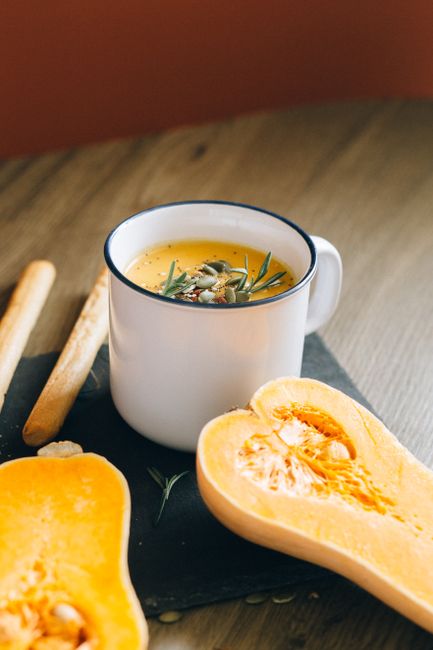
The foundation of an exceptional creamy butternut squash pasta begins with the butternut squash itself. Selecting the right squash is paramount. Look for specimens that are heavy for their size, indicating a good flesh-to-seed ratio. The skin should be firm and free of soft spots or blemishes, with an even tan color. Avoid squash that feel hollow or have significant green patches, as these may be underripe and less sweet. Once home, proper storage is key. Butternut squash can be kept at cool room temperature for several weeks, allowing you to have this versatile ingredient on hand. The preparation process for the squash typically involves roasting. Roasting caramelizes the natural sugars present in the squash, intensifying its inherent sweetness and developing a depth of flavor that boiling or steaming cannot replicate. The squash is usually halved lengthwise, seeds scooped out, and then roasted cut-side down on a baking sheet, often drizzled with olive oil, salt, and pepper. The roasting time will vary depending on the size of the squash, but generally, it’s cooked until fork-tender and easily pierced. Some recipes call for roasting cut-side up, allowing for a crispier exterior and slightly more toasted flavor, while others prefer cut-side down for a softer, more yielding flesh ideal for pureeing. The decision often comes down to personal preference and the desired texture of the final sauce.
Once roasted, the tender squash flesh is liberated from its rind and transformed into a velvety sauce. This is typically achieved by pureeing the roasted squash in a food processor or blender until it achieves a smooth, lump-free consistency. The addition of liquid is crucial at this stage to achieve the desired sauce thickness. Common liquids include vegetable broth, chicken broth, or even the starchy pasta cooking water, which is a secret weapon for many pasta dishes as it contains gluten and starch that help emulsify and thicken the sauce, giving it a glossy sheen. Cream, milk, or even a non-dairy alternative like cashew cream or coconut milk, can be incorporated to impart that signature creamy richness. The choice of dairy or non-dairy liquid will significantly impact the final flavor profile and texture, with heavy cream offering the most decadent result, while milk provides a lighter option. Seasoning is where the sauce truly comes alive. Beyond salt and pepper, a symphony of aromatics and spices can elevate the butternut squash sauce. Garlic and onion, sautéed until softened, form a savory base. Nutmeg, a classic pairing with squash, adds a warm, slightly sweet, and pungent note that complements the squash beautifully. A pinch of cinnamon or allspice can introduce further complexity. For those who enjoy a hint of heat, a touch of red pepper flakes can provide a subtle warmth that cuts through the richness. Herbs like sage, thyme, or rosemary, when sautéed with the aromatics or stirred into the finished sauce, contribute an earthy, aromatic dimension that is particularly evocative of autumn flavors.
The choice of pasta is another critical element in creating a successful creamy butternut squash pasta. While almost any pasta shape can technically be used, certain shapes lend themselves better to holding and embracing the rich, creamy sauce. Long, ribbon-like pasta such as fettuccine, linguine, or pappardelle are excellent choices as their broad surface area allows for generous coating. Shapes with nooks and crannies, like penne, rigatoni, or fusilli, are also adept at trapping pockets of the luscious sauce, ensuring flavor in every bite. Shell pasta, like conchiglie, can also be a delightful choice, acting as little vessels for the creamy goodness. The cooking of the pasta should be done al dente, meaning it should still have a slight bite. Overcooked pasta will become mushy and detract from the overall texture of the dish. Reserving a generous amount of the starchy pasta water before draining is a non-negotiable step for achieving the perfect sauce consistency. This water, rich in starch, acts as a natural emulsifier, helping to bind the sauce to the pasta and create a smooth, cohesive dish.
Incorporating additional ingredients can transform a simple creamy butternut squash pasta into a truly spectacular meal. Pancetta or bacon, rendered until crisp, adds a salty, smoky counterpoint to the sweet squash and a delightful textural contrast. Sautéed mushrooms, with their earthy umami, pair exceptionally well with the squash. For a vegetarian or vegan option, toasted nuts, such as walnuts or pecans, provide crunch and nutty depth. Caramelized onions, with their intense sweetness, further amplify the inherent sweetness of the squash, creating a deeply savory and complex sauce. Spinach or kale, wilted into the sauce at the last minute, adds a burst of freshness and a welcome dose of nutrients. Goat cheese or feta cheese, crumbled over the finished dish, offers a tangy, salty dimension that can cut through the richness, while a sprinkle of Parmesan cheese adds a nutty, umami finish. For a touch of brightness and acidity, a squeeze of lemon juice or a splash of balsamic glaze can be added just before serving.
The nutritional profile of creamy butternut squash pasta, when prepared with mindful ingredient choices, can be surprisingly robust. Butternut squash itself is an excellent source of beta-carotene, which the body converts into vitamin A, essential for vision, immune function, and skin health. It also provides vitamin C, potassium, and fiber, contributing to overall well-being. Whole wheat pasta, when chosen over refined white pasta, offers a greater amount of fiber, B vitamins, and minerals, promoting satiety and digestive health. Incorporating lean protein sources, such as grilled chicken breast or shrimp, can further enhance the nutritional value, providing essential amino acids and supporting muscle health. Even with the addition of cream, the overall dish can still be a balanced meal, especially when served in appropriate portion sizes and supplemented with a side salad packed with leafy greens and other vegetables. The key lies in moderation and a focus on nutrient-dense additions.
Optimizing SEO for “creamy butternut squash pasta” requires a strategic approach to keyword integration and content structure. The primary keyword, “creamy butternut squash pasta,” should appear naturally throughout the article, particularly in headings, subheadings, and the introductory paragraphs. Related keywords, such as “butternut squash sauce recipe,” “easy butternut squash pasta,” “vegan butternut squash pasta,” “autumn pasta dishes,” and “comfort food pasta,” should also be woven into the text where relevant. Utilizing long-tail keywords, like “how to make creamy butternut squash pasta from scratch” or “best pasta shapes for creamy sauces,” can attract highly targeted traffic. The article’s structure, with clear headings and subheadings, improves readability for both users and search engine crawlers. Focusing on comprehensive coverage of the dish, from ingredient selection and preparation techniques to nutritional benefits and variations, demonstrates expertise and authority, which are key ranking factors. High-quality, informative content that directly answers user queries related to creamy butternut squash pasta is crucial for attracting organic traffic and establishing the article as a valuable resource.
Beyond the basic preparation, exploring variations can cater to diverse dietary needs and flavor preferences. For a vegan rendition, the cream component can be replaced with cashew cream, made by soaking raw cashews and blending them with water until smooth. Coconut milk, particularly full-fat canned coconut milk, can also provide a creamy base, though it will impart a subtle coconut flavor. Nutritional yeast is a common addition to vegan creamy sauces, offering a cheesy, umami flavor without dairy. For those seeking a lighter version, substituting half-and-half or milk for heavy cream significantly reduces the fat content while still achieving a pleasing creaminess. Incorporating pureed white beans or silken tofu can also add creaminess and protein to vegan or lighter versions. Gluten-free pasta options are readily available and perform well in this dish, maintaining the integrity of the texture. Experimentation with different spices can also lead to exciting flavor profiles. A touch of smoked paprika can add a smoky depth, while a hint of curry powder can introduce an exotic twist. The versatility of the creamy butternut squash pasta base allows for endless culinary exploration, making it a dynamic and enduring dish.
The art of serving creamy butternut squash pasta is as important as its preparation. Presentation can elevate the dish from a simple meal to an impressive culinary creation. Garnishes play a vital role in both visual appeal and flavor enhancement. A sprinkle of fresh herbs, such as chopped sage, parsley, or chives, adds a vibrant pop of color and a fresh aromatic element. Toasted nuts, like pine nuts, walnuts, or slivered almonds, provide a pleasing crunch and nutty flavor. A drizzle of balsamic glaze can add a touch of sweetness and acidity, as well as an attractive visual element. A final grating of Parmesan cheese, if not already incorporated into the sauce, adds a salty, nutty finish. Serving the pasta immediately after it’s tossed with the sauce ensures optimal texture and temperature, as the sauce will continue to thicken as it cools. Pairing with a light side salad, perhaps with a vinaigrette dressing, or some crusty bread for sopping up any leftover sauce, completes the meal. The warmth and richness of this dish make it particularly well-suited for cooler weather, but its inherent comfort and satisfying nature make it a delightful choice year-round. The satisfying mouthfeel, the harmonious blend of sweet and savory, and the comforting warmth of creamy butternut squash pasta solidify its place as a cherished and adaptable culinary classic.
