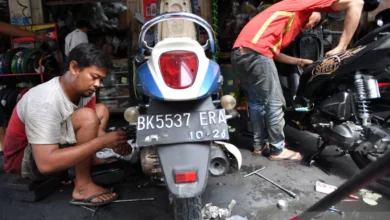
Why Your Motorcycle Brakes Squeal and How to Diagnose Potential Mechanical Failures for Road Safety

The screeching sound of motorcycle brakes is a common yet often overlooked phenomenon that can signal anything from minor environmental contamination to critical mechanical failure. As a primary safety system, the braking assembly requires meticulous maintenance, yet many riders treat the high-pitched metallic friction as a mere nuisance rather than a warning sign of degraded performance. Understanding the intricate relationship between friction, thermal dynamics, and mechanical integrity is essential for any motorcycle operator concerned with long-term vehicle health and road safety.
The Physics of Braking and Sound Generation
At its core, a motorcycle brake system operates on the principle of kinetic energy conversion. By forcing brake pads against a rotating disc (rotor) or inside a drum, the system converts the motion of the vehicle into thermal energy through friction. When this process is interrupted or altered by debris, chemical contaminants, or physical degradation, the resulting vibration—often at frequencies audible to the human ear—manifests as a squeal.
Historically, motorcycle manufacturers have engineered these systems to operate within specific thermal windows. However, the introduction of external variables such as high humidity, road grime, and particulate matter can disrupt the coefficient of friction between the pad and the rotor. While a momentary sound after a rainfall is often attributed to the oxidation of the rotor surface, persistent noise suggests a breakdown in the mechanical harmony of the assembly.
Common Mechanical Triggers for Brake Noise
While environmental factors are frequent culprits, professional mechanics point to seven primary mechanical and operational drivers that lead to audible brake issues.
1. Accumulation of Particulate Contamination
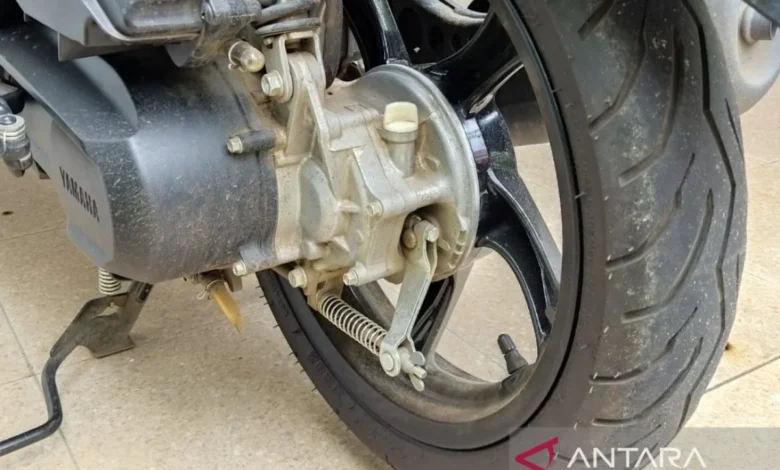
Road debris, fine silt, and metallic dust are the most common culprits. When these particles lodge themselves into the porous material of the brake pad or the grooves of the rotor, they alter the surface contact patch. In drum brakes, this is even more pronounced, as the internal housing acts as a collection point for brake dust, leading to uneven friction and audible chatter.
2. The Critical Threshold of Pad Wear
Brake pads are designed with a specific material thickness. Once this material reaches its minimum service limit, the structural backing plate—often made of hardened steel—begins to make contact with the rotor. This creates a distinct, harsh grinding noise that is significantly louder and more abrasive than a standard squeal. Ignoring this warning often results in irreversible damage to the rotor surface, significantly increasing the cost of repair.
3. Surface Irregularities and Rotor Warp
Over time, constant thermal cycling can cause brake discs to warp or develop uneven wear patterns. If the rotor is not perfectly planar, the brake pads will fail to achieve consistent surface contact. This leads to intermittent pressure points, causing the brakes to "pulse" or vibrate, which frequently manifests as a squeal during low-speed stops.
4. Post-Wash or Post-Rain Oxidation
Water exposure is a natural enemy of high-carbon steel rotors. A brief stint of rain or a heavy wash can leave a microscopic layer of flash rust on the disc surface. While this is typically a temporary issue that clears after several cycles of moderate braking, it should be monitored. If the squeal persists after the moisture has evaporated, it indicates that the surface has likely been compromised by deeper, more stubborn corrosion.
5. The Bedding-In Period
When installing new pads, many riders neglect the "bedding-in" process. New pads require a controlled sequence of heat-up and cool-down cycles to transfer a thin layer of pad material onto the rotor surface. Without this transfer layer, the brake system lacks the necessary friction characteristics, leading to noise and reduced stopping power.
6. Mechanical Binding of the Caliper
The caliper is the hydraulic heart of the disc brake system. If the piston seals are compromised or the guide pins are seized due to corrosion, the caliper may fail to retract properly after the lever is released. This results in "drag," where the pads stay in constant, light contact with the rotor. This leads to premature wear, heat buildup, and a persistent, high-pitched screeching that indicates the brake is essentially engaged even when the rider is not applying pressure.
7. Contamination by Lubricants
Brake systems are sensitive to chemical contamination. Any exposure to chain lubricant, grease, or brake fluid will render the pads ineffective. Because these materials are porous, they absorb the chemicals, making it nearly impossible to clean them effectively. In such instances, replacement of the pads is the only safe remedy.
Diagnostic Guidelines for Riders
To ensure road safety, riders should adhere to a strict diagnostic protocol when unusual braking sounds occur.
- Initial Assessment: If the noise occurs immediately after rain, perform a series of safe, controlled stops in a traffic-free area. If the sound dissipates as the heat evaporates the moisture, the issue is likely environmental.
- Visual Inspection: Regularly check the thickness of the friction material. If the pad material is less than 2mm thick, it must be replaced immediately.
- Tactile Feedback: If the lever feels "spongy" or inconsistent, it may indicate air in the hydraulic lines or a failing master cylinder, which can sometimes cause irregular braking pressure and associated noise.
- System Integrity: Observe for any signs of brake fluid leakage near the caliper or the master cylinder. Any fluid on the rotor is a critical safety failure and requires immediate professional intervention.
The Role of Scheduled Maintenance
Industry standards, as defined by leading motorcycle manufacturers, mandate that braking systems be inspected at every scheduled service interval—typically every 5,000 to 10,000 kilometers, depending on the model and riding conditions.
Data from automotive safety agencies suggest that nearly 15% of motorcycle accidents involving non-collision braking failure could have been mitigated through proactive maintenance. By replacing brake fluid every two years and ensuring that pad thickness is monitored at each oil change, riders can avoid the catastrophic failure of the braking system.
Professional Intervention vs. DIY Maintenance
While some riders are proficient in mechanical repair, the braking system is a "no-compromise" component. Improper installation of brake pads—such as failing to clean the anti-rattle clips or applying lubricant to the friction surface—can render a brand-new set of pads useless and unsafe.
Mechanics emphasize that if a rider is uncertain about the cause of a persistent squeal, they should consult a certified technician. Professional service centers utilize specific tools, such as brake surface cleaners and torque wrenches, to ensure that every component is seated correctly. Attempting to "mask" the sound with improper cleaners or temporary fixes is not only ineffective but potentially dangerous.
Implications for Long-Term Vehicle Health
The long-term implications of ignoring brake noise go beyond the discomfort of the sound. A neglected brake system places additional strain on the wheel bearings and the overall suspension geometry of the motorcycle. Furthermore, as the brake system degrades, the rider often develops "compensation habits," such as braking earlier or harder than necessary, which disrupts the natural flow of traffic and increases the risk of being rear-ended by other motorists.
In conclusion, a motorcycle that produces a consistent, high-pitched squeal is a machine that is communicating a need for attention. By categorizing the noise—whether it is the result of simple environmental moisture or the critical grinding of worn-out metal—a rider can take the appropriate steps to restore the vehicle to its optimal performance level. Safety in motorcycling is not merely about the ability to move; it is fundamentally defined by the ability to stop with precision and confidence in every condition. Regular, proactive maintenance remains the single most effective tool in a rider’s arsenal to ensure that their motorcycle remains a reliable and safe mode of transportation.