
Day Before Mashed Potatoes
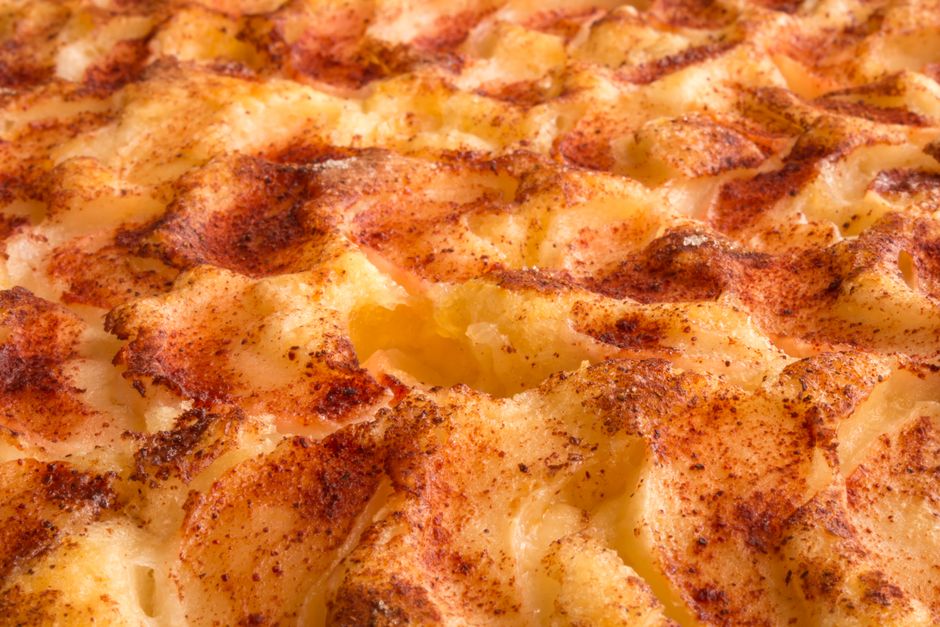
The Day Before Mashed Potatoes: A Masterclass in Culinary Strategy and Flavor Advancement
Preparing mashed potatoes the day before serving them is a strategic culinary decision that elevates this comfort food staple from good to exceptional. This seemingly counterintuitive approach, often employed by professional chefs and seasoned home cooks alike, capitalizes on time to deepen flavors, improve texture, and streamline the final plating process. The core principle behind day-before mashed potatoes lies in allowing the cooked potatoes to cool and rest, which enables several key transformations. Moisture evaporates, leading to a firmer, less watery mash that can absorb butter and cream more readily. Furthermore, the starch molecules begin to retrograde, or crystallize, a process that contributes to a richer, more substantial mouthfeel. This article delves into the intricate science and art of pre-making mashed potatoes, covering everything from potato selection and initial cooking techniques to reheating methods that preserve and enhance their desirable qualities. Understanding these nuances is crucial for anyone aiming to achieve restaurant-quality mashed potatoes with minimal last-minute stress.
The foundation of superior day-before mashed potatoes begins with judicious potato selection. Not all potatoes are created equal when it comes to mashing. Starchy varieties are paramount. Russets, with their high starch content and low moisture, are the undisputed champions for achieving a fluffy, light mash. Their inherent dryness means they readily absorb the dairy and fat used in the recipe, resulting in a creamy, decadent outcome without becoming gluey. Yukon Golds offer a slightly creamier texture and a buttery flavor, making them a strong contender, especially for those who prefer a richer, denser mash. Red potatoes and fingerlings, while delicious roasted or boiled, are generally not ideal for mashing as their waxy nature leads to a gummy, less appealing texture. When purchasing, look for firm potatoes with smooth skin, free from sprouts or green spots. The size of the potatoes can also play a role; uniformly sized potatoes will cook more evenly, ensuring consistent results. For day-before preparation, selecting good quality potatoes is an investment in the final product’s success. Over time, the potato’s structure will become more forgiving, allowing for better incorporation of flavor.
The initial cooking method is equally critical for setting the stage for successful day-before mashed potatoes. Boiling remains the most common and effective technique. To optimize the process, potatoes should be cut into uniform, roughly 1.5 to 2-inch chunks. This ensures that all pieces cook at the same rate, preventing some from becoming mushy while others remain undercooked. Submerging the potato chunks in cold, salted water is essential. Starting with cold water allows the heat to penetrate the potatoes gradually and evenly. The salt in the water seasons the potatoes from the inside out, a vital step for building flavor. The water should be brought to a boil, then reduced to a simmer. The cooking time will vary depending on the potato variety and the size of the chunks, typically ranging from 15 to 25 minutes. The key indicator of doneness is when a fork or knife slides easily into the potato with no resistance. Overcooking should be avoided at all costs, as it leads to waterlogged potatoes that will result in a watery mash, regardless of how far in advance they are prepared. Draining the potatoes thoroughly is the next crucial step. This can be achieved by returning them to the hot, empty pot for a minute or two over low heat. This residual heat helps to evaporate any surface moisture, further enhancing their ability to absorb fats and liquids later.
Once cooked and thoroughly drained, the potatoes are ready for the initial mashing. The goal here is not to achieve the final desired texture but to break them down into a manageable state for cooling and flavor infusion. A potato ricer is the professional chef’s secret weapon for achieving exceptionally smooth and fluffy mashed potatoes. It forces the cooked potato through small holes, creating delicate strands that cook evenly and are less prone to developing a gummy texture. A food mill also serves a similar purpose. For those without specialized tools, a sturdy masher can be used, but with caution. Avoid over-mashing, which can release too much starch and create a gluey consistency. Once mashed, the real magic of day-before preparation begins. The potatoes are then transferred to a clean, dry bowl or container. At this stage, it’s common to add some initial fat, such as butter, and perhaps a splash of milk or cream. The purpose of this early addition is not to create the final creamy texture but to begin infusing the potatoes with flavor and to create a barrier against excessive moisture loss during cooling. The warm potatoes will absorb this initial fat, starting the process of enriching their taste.
The cooling process is paramount for day-before mashed potatoes. After the initial mash and addition of some fat, the potatoes must be cooled completely and rapidly. Spreading the mashed potatoes in an even layer on a baking sheet or in a shallow pan will facilitate faster cooling. This prevents the potatoes from sitting in their own heat, which can encourage bacterial growth and affect the texture. The objective is to bring the potatoes down to refrigerator temperature as quickly as possible. Once cooled to room temperature, they are then transferred to an airtight container and refrigerated. This overnight rest allows the starches to retrograde, becoming more stable and developing a firmer structure. This firming is advantageous because it prevents the potatoes from becoming overly soft and losing their distinct potato character when reheated. Moreover, the flavors introduced in the initial mashing will have more time to meld and deepen. The butter and milk will have fully permeated the potato solids, creating a more complex and satisfying taste profile than is achievable with same-day preparation. This period of dormancy is what transforms a simple side dish into a culinary masterpiece.
The reheating process is where the day-before strategy truly shines, allowing for a final burst of flavor and texture perfection. The key is to reheat gently and gradually, adding additional fat and liquid as needed to achieve the desired consistency. There are several effective methods. The stovetop method is often preferred for its control. The chilled mashed potatoes are placed in a heavy-bottomed saucepan over low to medium-low heat. It’s crucial to add a significant amount of butter and/or cream at this stage. As the potatoes warm, they will absorb the new fats and liquids, regaining their creamy texture. Stirring continuously is essential to prevent scorching and ensure even heating. A splash of milk, cream, or even chicken broth can be added incrementally to achieve the perfect consistency. Another effective method is to reheat in a double boiler. This offers an even gentler heating process, reducing the risk of burning. The mashed potatoes are placed in the top of the double boiler, and the bottom is filled with simmering water. Stir in butter and cream, and allow them to heat through, stirring occasionally. For larger quantities, reheating in the oven is an option. Transfer the mashed potatoes to an oven-safe dish, dot with butter, pour over some cream, and cover tightly with foil. Bake at a moderate temperature (around 300-325°F or 150-160°C) until heated through, stirring halfway through.
Regardless of the reheating method, the final adjustments are critical. Taste the mashed potatoes and add more salt and pepper as needed. The flavors will have mellowed during the resting period, so a final seasoning check is always necessary. If the potatoes are too stiff, add more warm milk or cream, a tablespoon at a time, stirring until the desired creaminess is achieved. For an extra touch of richness, a swirl of crème fraîche or a dollop of sour cream can be incorporated at the very end, offering a tangy counterpoint to the buttery, starchy base. Some chefs advocate for adding a final pat of cold butter to the hot mashed potatoes and stirring vigorously until it melts, a technique known as "mounting" the potatoes with butter. This emulsifies the butter into the mash, creating an incredibly glossy and decadent finish. The goal of reheating is to bring the potatoes back to their optimal texture and flavor without sacrificing the benefits gained from the overnight rest. The careful addition of fat and liquid during this stage is what allows for precise control over the final outcome, ensuring they are not too dry or too wet, but perfectly creamy and flavorful.
The versatility of day-before mashed potatoes extends beyond their exceptional texture and flavor. They serve as an ideal canvas for a multitude of additions, allowing for endless customization. Garlic, whether roasted and mashed into the potatoes or infused into the warming milk, adds a pungent depth. Herbs like chives, parsley, or rosemary can be finely chopped and stirred in for freshness and aromatic complexity. Cheeses, such as Gruyère, sharp cheddar, or Parmesan, can be incorporated during reheating, melting into the creamy potato base to create a rich and savory dish. For a touch of heat, a pinch of cayenne pepper or a swirl of your favorite hot sauce can be added. Some adventurous cooks even incorporate ingredients like caramelized onions for sweetness or crumbled bacon for smoky crunch. The pre-prepared nature of the mashed potatoes makes these additions seamless. They can be stirred in during the reheating phase, allowing their flavors to meld beautifully with the potato base without the rushed pressure of immediate serving. This adaptability makes day-before mashed potatoes a smart choice for busy hosts or for creating varied side dishes throughout a meal.
In conclusion, the practice of preparing mashed potatoes the day before is a culinary strategy that yields demonstrably superior results. By allowing the cooked potatoes to cool and rest, a unique textural transformation occurs, leading to a fluffier, creamier, and more flavor-absorbent base. The meticulous attention to potato selection, initial cooking, and controlled cooling are the cornerstones of this technique. The subsequent gentle reheating process, coupled with the strategic addition of fats and liquids, allows for the perfect restoration of texture and the amplification of flavor. Beyond the fundamental preparation, the adaptability of day-before mashed potatoes for incorporating a wide array of flavor enhancers further solidifies their status as a smart and versatile culinary choice. Mastering the day-before mashed potato method is not merely about convenience; it is about understanding the subtle interplay of time, temperature, and ingredients to achieve a truly exceptional and deeply satisfying side dish. It is a testament to the power of thoughtful preparation in elevating even the most humble of dishes.
