
Deep Dish Cast Iron Pizza
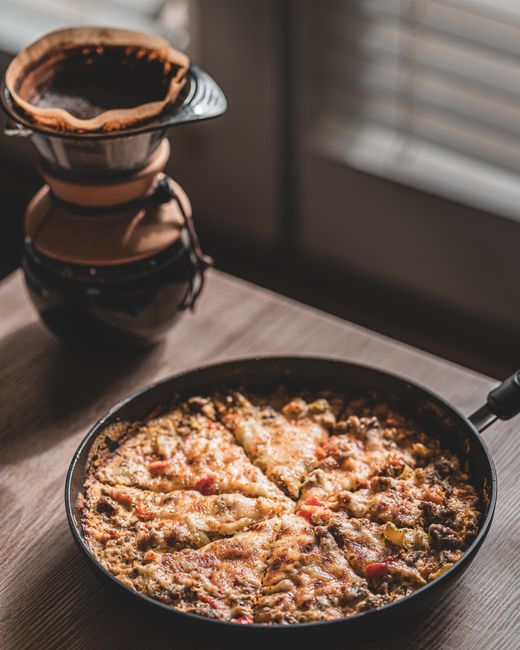
The Ultimate Guide to Deep Dish Cast Iron Pizza: Crispy Crust, Melty Cheese, and Unforgettable Flavor
The deep dish cast iron pizza, a Chicago classic elevated by the unparalleled performance of cast iron, represents a culinary pinnacle for home cooks seeking restaurant-quality results. This isn’t just pizza; it’s an experience. The inherent properties of cast iron—its ability to retain and distribute heat evenly, its natural non-stick surface after seasoning, and its sheer durability—make it the undisputed champion for achieving that perfect, thick, golden-brown crust that cradles a generous lake of molten cheese and robust toppings. Forget flimsy pans and uneven bakes; the cast iron skillet transforms your kitchen into a pizzeria, capable of producing pies that rival, and often surpass, those found in the Windy City’s most celebrated establishments. Mastering the deep dish cast iron pizza involves understanding the interplay of ingredients, the crucial role of dough hydration, the art of layering, and the specific techniques that leverage cast iron’s unique strengths. This comprehensive guide will demystify the process, providing the knowledge and confidence to create an unforgettable deep dish pizza in your own home.
The foundation of any exceptional deep dish pizza is its crust, and in the context of cast iron, this crust achieves a level of perfection that is difficult to replicate. Cast iron’s thermal mass is its superpower. It absorbs and holds a tremendous amount of heat, then radiates it back to the dough from all sides. This means the bottom of your pizza bakes quickly and evenly, developing a characteristic crispness and a rich, golden-brown hue that is the hallmark of a great deep dish. Unlike thinner pans that can warp or cool down significantly when cold ingredients are introduced, cast iron maintains its temperature, ensuring a consistent and efficient bake. This heat retention is particularly important for a thick-crusted pizza like deep dish, where the interior needs time to cook through while the exterior achieves optimal texture. The slight imperfections and porous nature of cast iron, once properly seasoned, also contribute to a unique textural element, creating small pockets of crispiness and a satisfying chew. The skillet’s depth allows for a substantial amount of dough, which is pressed up the sides to form a protective barrier for the toppings, preventing any leakage and further enhancing the crust’s structural integrity.
The dough for deep dish cast iron pizza requires a different approach than its thinner, Neapolitan cousins. It’s a richer, more substantial dough, designed to withstand the weight of generous fillings and to achieve that signature buttery, flaky texture. High-protein bread flour is the preferred choice, providing the necessary gluten development to support the structure of a thick crust. A good amount of fat, typically butter and sometimes olive oil, is incorporated, contributing to tenderness and flavor, and crucial for that desirable crispness in the cast iron. Hydration levels are generally moderate to high, promoting a pliable dough that can be easily pressed into the skillet. A long, slow fermentation, often in the refrigerator, is highly beneficial. This cold fermentation develops complex flavors and improves the dough’s texture, making it easier to handle and yielding a more complex taste. When preparing the dough, it’s essential to allow it to come to room temperature before pressing it into the cast iron skillet. This makes the dough more elastic and pliable, preventing tearing and ensuring it stretches evenly to cover the bottom and sides of the pan. Gently pressing the dough into the skillet, ensuring it adheres to the edges, is key to forming that iconic deep dish wall.
Layering is where the deep dish truly distinguishes itself, and the order is critical for both flavor and structural integrity, especially when using cast iron. The traditional layering method, often referred to as "upside down" by some, begins with the cheese at the bottom. This might seem counterintuitive, but it’s a strategic move. Placing a generous layer of shredded mozzarella directly onto the dough prevents the crust from becoming soggy from the tomato sauce and other wet ingredients. The mozzarella melts directly onto the dough, creating a delicious, cheesy base. Next comes the meat and vegetable toppings, if used. These are spread evenly over the cheese. The toppings are important for flavor and texture, but they should be cooked slightly beforehand, especially if they release a lot of moisture (like mushrooms or sausage), to prevent over-saturation. Finally, the pizza is topped with a chunky, uncooked tomato sauce. This uncooked sauce releases its moisture slowly during the baking process, contributing to the overall moisture and flavor of the pizza without compromising the crust’s crispness. Some chefs advocate for a final sprinkle of Parmesan cheese over the sauce, adding an extra layer of savory depth. The beauty of cast iron is its ability to evenly cook this substantial layering, ensuring that the cheese melts thoroughly, the toppings are cooked through, and the sauce develops a rich, concentrated flavor.
Preheating the cast iron skillet before adding the dough is a non-negotiable step for achieving optimal crust crispness. A properly preheated skillet ensures that the moment the dough hits the hot surface, it begins to cook and develop that characteristic sear. For deep dish, a moderately high oven temperature, typically between 450°F and 500°F (230°C – 260°C), is ideal. The preheated cast iron, placed directly on the oven rack, will radiate intense heat upwards, crispening the bottom crust rapidly. When you place the dough into the preheated skillet, you’ll hear a satisfying sizzle, a clear indication that the cooking process has begun effectively. It is crucial to oil the cast iron skillet generously before pressing in the dough. This oil not only prevents sticking but also aids in the development of a golden-brown, crispy crust. Some recipes call for a thin layer of olive oil or melted butter, while others might suggest a combination. Ensure the oil coats the entire bottom and extends up the sides of the skillet where the dough will sit. This lubrication is essential for that irresistible crispness and helps the dough achieve a beautiful sear.
The baking process for deep dish cast iron pizza is a delicate balance of time and temperature. The high initial oven temperature, combined with the preheated cast iron, gets the crust cooking quickly. However, because of the thickness of the pizza, it requires a longer baking time than thinner pizzas to ensure the interior is cooked through and the toppings are bubbling. A common approach is to start at a higher temperature for the first 15-20 minutes to achieve that initial crust browning and crisping. Then, the oven temperature may be slightly reduced to 425°F – 450°F (220°C – 230°C) for the remainder of the bake, which can last anywhere from another 20 to 40 minutes, depending on the thickness of the pizza and your oven. This gradual reduction in heat prevents the crust from burning while allowing the interior to cook thoroughly. Monitoring the pizza is key. Look for a deeply golden-brown crust, bubbling sauce, and melted, slightly browned cheese. If the crust edges are browning too quickly, you can loosely tent the top with aluminum foil. The internal temperature of the pizza should be around 190°F-200°F (88°C-93°C) when it is done.
Allowing the deep dish cast iron pizza to rest after baking is a critical, albeit often overlooked, step. The moment it emerges from the oven, it’s a molten mass of deliciousness. However, if you try to slice into it immediately, you risk a structural collapse and a messy, unappetizing presentation. The resting period, typically 10-15 minutes, allows the cheese to firm up slightly, the sauce to thicken, and the internal structure of the pizza to set. This not only makes for easier slicing but also allows the flavors to meld and develop further. During this rest, the residual heat continues to cook the pizza gently, ensuring all components are perfectly integrated. The cast iron skillet itself will continue to radiate heat during this period, contributing to the final texture of the crust. Patience during this stage is rewarded with a perfectly formed, sliceable, and incredibly delicious deep dish pizza.
The versatility of deep dish cast iron pizza extends far beyond the classic pepperoni and cheese. The robust nature of the crust and the deep skillet lend themselves to a vast array of creative topping combinations. Think of hearty meat lovers’ pizzas with Italian sausage, bacon, and ham, or vegetarian delights featuring roasted vegetables like bell peppers, onions, zucchini, and spinach, all nestled under a blanket of cheese and sauce. Seafood options, such as shrimp or clams, can also be incorporated, though it’s advisable to pre-cook them slightly to avoid excess moisture. For a unique twist, consider a "white" deep dish, omitting the tomato sauce and layering ricotta cheese, spinach, and garlic between mozzarella and a rich béchamel sauce. The cast iron skillet’s ability to handle dense ingredients and high heat makes it perfect for toppings that might overwhelm a thinner crust. Experimentation is encouraged; the deep dish cast iron pizza is a forgiving canvas for culinary creativity, and the skillet’s consistent performance ensures that your adventurous toppings will be cooked to perfection.
Seasoning and maintaining your cast iron skillet is paramount to achieving consistently excellent deep dish pizzas and ensuring the longevity of your cookware. A well-seasoned skillet boasts a naturally non-stick surface that improves with each use, crucial for releasing that perfectly crisped crust. After each use, wash your skillet with hot water and a stiff brush or scraper. Avoid using harsh soaps or abrasive scouring pads, as these can strip away the seasoning. For stubborn residue, you can simmer water in the skillet for a few minutes to loosen it. Always dry your cast iron thoroughly immediately after washing, either by wiping it with a towel and then placing it on a low burner for a few minutes to evaporate all moisture, or by using a clean kitchen towel. Once dry, apply a very thin layer of cooking oil (such as vegetable oil, canola oil, or flaxseed oil) to the entire surface of the skillet, inside and out. Wipe off any excess oil with a paper towel; you want a barely-there sheen. This routine maintenance prevents rust and builds up the protective seasoning layer, ensuring your cast iron is always ready to deliver exceptional deep dish pizzas.
The deep dish cast iron pizza is more than just a meal; it’s a testament to the power of quality ingredients, thoughtful technique, and the enduring magic of cast iron. It’s a dish that rewards patience and attention to detail, delivering a deeply satisfying experience with every thick, cheesy, crispy bite. By understanding the unique properties of cast iron and applying the principles of deep dish construction, you can consistently produce pizzas that are not only visually stunning but also incredibly delicious. From the rich, buttery crust to the bubbling, flavorful toppings, each element plays a crucial role in creating this iconic culinary masterpiece. So, gather your ingredients, preheat your cast iron, and embark on the journey of creating your own unforgettable deep dish pizza. The result will be a testament to the delicious possibilities that unfold when a classic dish meets an exceptional cooking vessel.
