
Delicious Meatless Baked Ziti
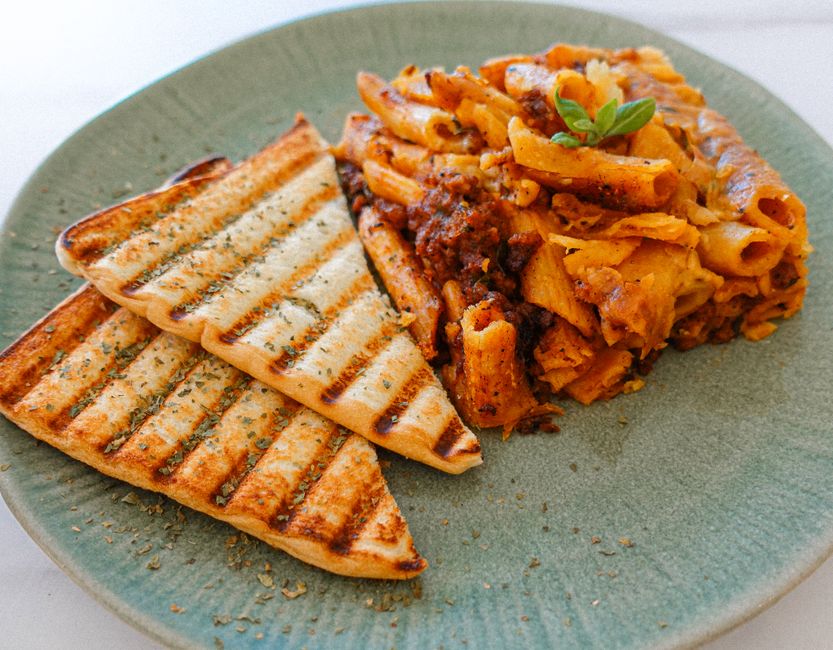
The Ultimate Meatless Baked Ziti: A Comfort Food Masterpiece
Meatless baked ziti stands as a testament to the power of simple, wholesome ingredients transformed into a universally loved comfort food. This dish, often a staple at family gatherings and potlucks, transcends dietary restrictions, proving that rich, satisfying flavor needs no meat. At its core, baked ziti is about layers of tender pasta, a robust tomato sauce, creamy ricotta, and gooey melted cheese, all baked to golden perfection. The meatless rendition elevates these elements, focusing on the inherent deliciousness of vegetables, herbs, and the cheese itself. It’s a forgiving recipe, adaptable to personal preferences and readily available pantry staples, making it an accessible and rewarding culinary endeavor for both novice and experienced cooks. The beauty of this dish lies in its comforting warmth and its ability to bring people together, proving that hearty, satisfying meals can be entirely plant-based at their core, with the meatless component adding a depth of flavor and texture that complements rather than replaces.
The foundation of any exceptional baked ziti, meatless or otherwise, is the sauce. For a vegetarian version, this means a deeply flavorful tomato sauce that’s more than just a can of crushed tomatoes. A good starting point involves sautéing aromatics like finely chopped onions and garlic in olive oil until softened and fragrant. This initial step builds a crucial layer of complexity. To this base, incorporate a generous amount of good quality crushed tomatoes. San Marzano tomatoes are often lauded for their sweetness and lower acidity, but any high-quality crushed tomatoes will suffice. Enhancing the tomato base with dried herbs like oregano, basil, and a pinch of red pepper flakes for a subtle warmth adds an essential Mediterranean character. A bay leaf simmered in the sauce infuses a subtle, earthy note that complements the bright acidity of the tomatoes. For an extra umami boost, which is often what meat provides, consider adding a splash of soy sauce or a tablespoon of tomato paste, sautéed briefly before adding the crushed tomatoes, to deepen its flavor profile. Simmering the sauce for at least 30 minutes, or even longer, allows the flavors to meld and intensify, creating a rich and satisfying foundation for the ziti. Some recipes even benefit from the addition of a touch of sugar to balance the acidity of the tomatoes, especially if they tend to be tart. Fresh herbs, such as basil and parsley, should be stirred in towards the end of cooking to preserve their vibrant flavor and aroma.
The pasta choice is equally important. Ziti, with its tubular shape and ridged exterior, is the classic and namesake pasta for this dish. The ridges are excellent for holding onto sauce, and the hollow center traps pockets of cheesy goodness. However, other pasta shapes like penne, rigatoni, or even rotini can be used effectively. The key is to undercook the pasta slightly when boiling it. It should be al dente, meaning it still has a slight bite. This is crucial because the pasta will continue to cook in the oven, and overcooked pasta will result in a mushy, unappetizing final product. Properly salting the boiling water is also essential; it seasons the pasta from within, contributing to the overall flavor of the dish. A good rule of thumb is to make the water taste like the sea. Draining the pasta thoroughly after boiling is another small but significant step.
The creamy, dreamy ricotta filling is what truly elevates baked ziti from a simple pasta dish to a decadent experience. A whole milk ricotta cheese offers the best texture and flavor, yielding a richer, creamier filling. While part-skim ricotta can be used, the final result might be slightly less luxurious. To the ricotta, stir in beaten eggs. The eggs act as a binder, helping the ricotta mixture set and preventing it from becoming too watery during baking. Seasoning the ricotta filling is paramount. Freshly grated Parmesan cheese adds a salty, nutty depth. A generous amount of chopped fresh parsley and basil brings brightness and herbaceous notes that cut through the richness. A pinch of nutmeg, though not always traditional, can add a subtle warmth and complexity that pairs beautifully with dairy. Some cooks also like to incorporate a bit of mozzarella cheese directly into the ricotta mixture for an even gooier interior. Salt and freshly ground black pepper are essential for balancing the flavors. Ensure the ricotta mixture is well combined, but avoid overmixing, which can make it tough.
The vegetarian element in a meatless baked ziti can take many forms, and its inclusion significantly enhances both flavor and texture. While some choose to omit meat entirely and rely on the cheese and sauce for satisfaction, incorporating vegetables adds nutritional value and a delightful textural contrast. Finely chopped mushrooms, sautéed until their moisture has evaporated and they’ve begun to brown, provide a meaty chew and an earthy, umami flavor that can mimic the savory depth of meat. Spinach, wilted and squeezed of excess water, adds a mild green flavor and vibrant color. Chopped bell peppers (red, yellow, or orange for sweetness) and zucchini, sautéed until tender-crisp, offer pops of freshness and subtle sweetness. Onions and garlic, already a part of the sauce, are foundational. For a heartier, more robust vegetarian baked ziti, consider adding roasted vegetables. Roasting vegetables like eggplant, sweet potatoes, or cauliflower beforehand concentrates their flavors and adds a delightful caramelized sweetness. These roasted vegetables can then be layered into the ziti or incorporated into the ricotta mixture. Even simple additions like roasted red peppers from a jar, drained and chopped, can provide a smoky sweetness. Some recipes also benefit from the addition of a sprinkle of nutritional yeast to the ricotta mixture, imparting a cheesy, savory flavor that further enhances the umami profile without relying on animal products. The key is to cook these vegetables until tender but not mushy, ensuring they hold their shape and contribute positively to the final texture.
Assembly is where the magic truly happens. Grease a large baking dish. A 9×13 inch dish is standard for most recipes. Begin with a thin layer of tomato sauce at the bottom of the dish. This prevents the pasta from sticking and provides a moist base. Next, add a layer of the undercooked ziti. Ensure the pasta is evenly distributed. Spoon generous dollops of the ricotta mixture over the pasta layer. Don’t be afraid to spread it around, allowing it to nestle into the pasta. If you’re incorporating sautéed or roasted vegetables, scatter them evenly over the ricotta layer. Then, ladle more of the flavorful tomato sauce over the ricotta and vegetables. Top this with a generous layer of shredded mozzarella cheese. Some recipes call for a mix of mozzarella and Parmesan for enhanced flavor and browning. Repeat the layering process: pasta, ricotta, vegetables (if using), sauce, and cheese, until the dish is full, finishing with a final, abundant layer of sauce and a generous topping of cheese. The goal is to have enough sauce to keep everything moist and tender during baking, and enough cheese to create that irresistible, golden-brown, bubbly crust. The amount of cheese is often a matter of personal preference, but a generous hand is usually rewarded with a more satisfying result.
Baking the meatless baked ziti requires careful attention to temperature and time to achieve that perfect, bubbly, golden-brown finish. Preheat your oven to a moderate temperature, typically around 375°F (190°C). Covering the baking dish tightly with aluminum foil for the initial part of the baking process is crucial. This traps steam, allowing the pasta to cook through evenly and preventing the top layer of cheese from burning before the interior is heated. Bake covered for approximately 20-30 minutes, or until the sauce is bubbling around the edges and the pasta is heated through. After this initial covered period, remove the foil. This allows the cheese to melt, bubble, and develop that beautiful golden-brown crust. Continue baking for another 15-20 minutes, or until the cheese is fully melted, bubbly, and starting to turn golden in spots. For an even more caramelized and browned topping, you can briefly broil the ziti for the last minute or two, watching it very carefully to prevent burning. The aroma that fills the kitchen during this final baking stage is a sure sign of deliciousness to come.
Allowing the baked ziti to rest after it comes out of the oven is a critical, yet often overlooked, step. While the temptation to dive in immediately is strong, letting it rest for at least 10-15 minutes allows the layers to set. This prevents the ziti from falling apart when served and ensures that each bite is a cohesive and satisfying combination of pasta, sauce, and cheese. The residual heat will continue to cook the pasta gently, and the flavors will meld even further. Serve hot, with a sprinkle of fresh basil or parsley for a pop of color and freshness. It’s a hearty and satisfying meal on its own, but it also pairs wonderfully with a simple side salad dressed with a vinaigrette or some crusty garlic bread for an even more indulgent experience. This meatless baked ziti is not just a meal; it’s an experience, a testament to the fact that comfort food can be both incredibly delicious and satisfying without the need for meat. Its adaptability and widespread appeal ensure it will remain a beloved dish for generations to come, a true testament to the enduring power of good food and good company. The ease with which it can be customized, from the vegetables included to the types of cheese used, makes it a perennial favorite for home cooks seeking a flavorful and crowd-pleasing dish. The layered approach, combining different textures and tastes, creates a complex and deeply satisfying eating experience that appeals to a wide range of palates.
