Effective Strategies for Eliminating Persistent Bathroom Odors and Maintaining Home Hygiene

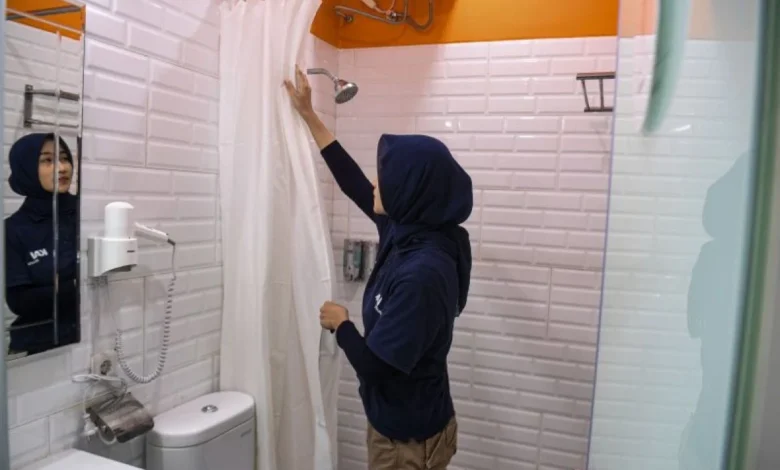
The bathroom, often regarded as the sanctuary of personal hygiene within a residence, paradoxically serves as the primary epicenter for unpleasant odors if not meticulously maintained. Beyond the immediate discomfort caused by malodorous air, these smells frequently act as early warning indicators for systemic issues, including high humidity levels, microbial growth, or structural defects within plumbing architecture. While the contemporary market is saturated with synthetic room fresheners and chemical masking agents, public health experts and building maintenance professionals emphasize that these products often provide only a temporary olfactory illusion, failing to address the underlying environmental or mechanical catalysts.
The Science of Bathroom Odors and Environmental Factors
The presence of persistent odors in a bathroom is typically a byproduct of biochemical and physical processes. According to data from environmental health agencies, bathrooms are unique micro-environments characterized by frequent water usage, fluctuating temperatures, and the concentration of organic matter—ranging from skin cells and hair to soap scum and wastewater residuals. When moisture levels remain elevated, these organic substrates provide a fertile medium for fungi, bacteria, and mold spores.
The Environmental Protection Agency (EPA) underscores that poor ventilation is the primary driver of indoor air quality degradation in high-moisture rooms. When air exchange rates are insufficient, the accumulation of volatile organic compounds (VOCs) and biological aerosols increases, creating the "musty" aroma synonymous with neglected damp spaces. Consequently, the mitigation of odor is not merely a matter of aesthetics but a critical component of home health management.
Establishing Optimal Air Circulation and Ventilation Standards
Effective odor control begins with the mechanical and structural regulation of airflow. In many residential designs, especially in high-density urban developments, bathrooms are constructed without external windows, relying entirely on exhaust fan systems. If these systems are obstructed by dust or mechanical failure, the room becomes a "dead zone" for air circulation.
Professional building inspectors suggest that a functional exhaust fan should be capable of achieving at least eight air changes per hour. To maximize effectiveness, users are advised to engage the ventilation system during and for at least twenty minutes following the use of hot water. This practice prevents the condensation of water vapor on cooler surfaces, such as mirrors, walls, and ceiling tiles, which significantly reduces the risk of mold colonization. For homes equipped with windows, maintaining a cross-breeze by keeping the door slightly ajar when the room is unoccupied serves as a passive yet highly effective supplementary measure to equalize humidity levels.
The Role of Plumbing Maintenance and P-Trap Integrity
One of the most elusive causes of a "sewer-like" odor in the bathroom is the drying out of the P-trap. The P-trap is the U-shaped section of pipe located beneath sinks and shower drains designed to hold a small reservoir of water. This water acts as a physical seal, preventing methane and other sewer gases from migrating from the municipal or septic lines into the living space.
If a bathroom or a guest room is left unused for an extended period, the water in the P-trap evaporates. Once this barrier is compromised, the path for sewer gas is open. The remedy is straightforward: periodically running water through all drains in the house ensures that the P-trap remains filled. However, if the odor persists despite active water seals, it may indicate a cracked vent pipe or a loose toilet wax ring, both of which require immediate professional intervention. These structural issues can lead to more severe long-term consequences, such as wall damage or the accumulation of toxic gases that, while often subtle, can impact respiratory health over time.
Systematic Cleaning Protocols: Beyond Surface Maintenance
While daily cleaning tasks like wiping down counters are essential, a deep-cleaning regimen is necessary to address the root causes of odor. Research into home maintenance shows that the accumulation of biofilms—a slimy layer of bacteria and soap residue—in drain pipes is a frequent culprit. Traditional liquid chemical drain cleaners often offer a superficial solution and, in some cases, can damage plumbing infrastructure due to their corrosive nature.
Instead, maintenance experts advocate for mechanical cleaning. This involves the physical removal of hair and debris from drain guards, which serves as a breeding ground for odor-producing bacteria. Furthermore, the use of natural agents like sodium bicarbonate (baking soda) can act as an effective pH neutralizer. By absorbing acidic odor molecules, baking soda serves as a safe, non-toxic alternative to synthetic aerosols. When placed in trash bins or sprinkled in areas prone to moisture, it effectively mitigates scent without introducing harmful chemical additives into the indoor environment.
The Impact of Textiles and Porous Materials
Textiles such as bath towels, floor mats, and shower curtains are significant, yet often overlooked, contributors to the bathroom "funk." Because these items are constantly exposed to moisture, they are highly susceptible to becoming damp repositories for mildew.
The Centers for Disease Control and Prevention (CDC) notes that mold spores require only 24 to 48 hours to colonize damp surfaces. When a wet towel is hung in a poorly ventilated bathroom, it stays saturated for hours, allowing for rapid microbial proliferation. The solution involves a two-pronged approach:
- Laundering Frequency: Towels should be laundered at least once every three uses, while floor mats should be washed bi-weekly.
- Post-Use Drying: Establishing a protocol where textiles are dried in an area with direct sunlight or optimal airflow is paramount. Replacing heavy, slow-drying cotton towels with quick-dry synthetic or bamboo-fiber alternatives can also significantly reduce the time a room remains in a high-humidity state.
Chronology of Preventative Measures
To maintain a consistently fresh environment, homeowners are encouraged to follow a structured maintenance timeline:
- Daily: Squeegee shower walls to remove excess water; engage the exhaust fan for 15–20 minutes post-shower; leave the door open to facilitate airflow.
- Weekly: Clean the toilet bowl, including the often-overlooked underside of the rim and the base; wipe down the vanity and sink surfaces; inspect the drain for hair accumulation.
- Monthly: Deep clean the trash bin; wash floor mats and towels in hot water; run a small amount of water down unused drains to maintain the P-trap seal.
- Quarterly: Inspect the exhaust fan for dust buildup (which reduces motor efficiency); check caulking around the tub and sink for signs of cracking, which can trap moisture and harbor mold growth.
Official Guidance and Expert Recommendations
Building trade associations and interior design specialists consistently warn against the "masking effect." Relying solely on plug-in air fresheners creates a false sense of security. Often, these products contain phthalates—chemicals used to extend the life of a scent—which have been linked to potential endocrine disruption in sensitive individuals.
"The objective of bathroom hygiene should be the removal of the pollutant, not the suppression of the human sensory response to it," states a representative from a leading residential facility management firm. By focusing on the removal of organic debris and the strict control of humidity, the necessity for artificial fragrances is largely eliminated.
Broader Implications for Home Value and Longevity
The implications of neglecting bathroom odors extend beyond mere comfort. Persistent dampness leads to the degradation of building materials, including the rotting of wooden vanity cabinets, the peeling of paint, and the loosening of tile grout. Over time, these minor maintenance lapses result in significant capital expenditure for repairs.
Furthermore, from a real estate perspective, the olfactory signature of a home is a primary factor in valuation. A bathroom that smells fresh and exhibits signs of diligent care reflects the overall health of the property’s systems. By implementing the strategies outlined—improving ventilation, maintaining plumbing integrity, and practicing consistent cleaning habits—homeowners not only improve their immediate living conditions but also protect the structural integrity and market value of their investment.
In conclusion, the path to a fresh, odor-free bathroom is built upon the foundation of consistent, proactive maintenance. By addressing the environmental factors that encourage bacterial growth and understanding the mechanical necessity of proper airflow, homeowners can ensure their bathrooms remain hygienic, pleasant, and functional spaces. The transition from reactive masking to preventative maintenance is a vital shift that benefits both the home’s longevity and the health of its occupants.
Related posts: