BPOM Urges Public Vigilance in Combating Illegal Drugs, Food, and Cosmetics Amidst Digital Surge

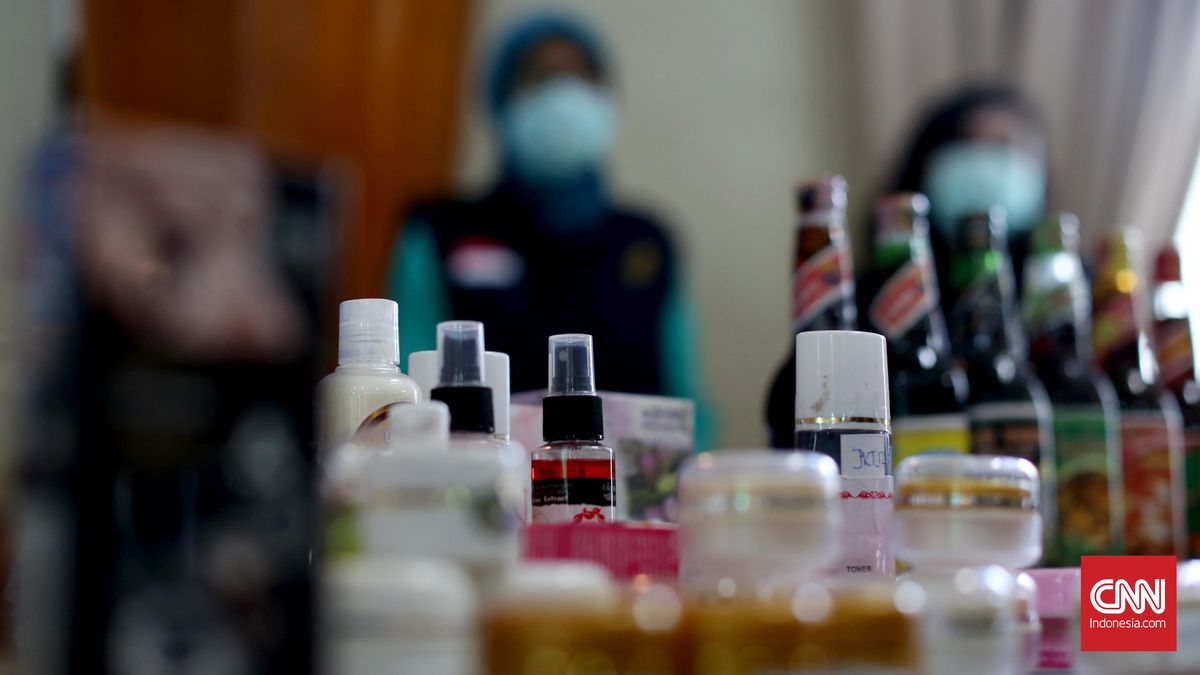
Jakarta, Indonesia – July 22, 2026 – The Indonesian National Agency of Drug and Food Control (BPOM) is calling for an unprecedented level of public participation in its ongoing battle against the proliferation of illegal drugs, food, and cosmetics. Citing the accelerating pace of digital commerce and social media dissemination, BPOM Head Taruna Ikrar emphasized the necessity of a "smarter" approach to oversight, one that actively enlists the nation’s 290 million citizens as its eyes and ears.
"The rapid advancement of technology means that the distribution of products is becoming faster than ever, particularly through marketplaces and social media," stated Dr. Taruna Ikrar during a CNN Indonesia Wellnest Festival Vol. 2 talkshow held at the South Quarter Dome in Cilandak, South Jakarta. "This situation demands a different approach to supervision. BPOM is becoming smarter; our smart approach involves involving the entire community to assist us in this oversight."
This strategic pivot is formally anchored by the issuance of BPOM Regulation Number 16 of 2025 concerning public participation in supervision. This regulation provides the legal framework for the agency to leverage the collective power of Indonesian citizens in identifying and reporting illicit products. Dr. Ikrar explained that the sheer volume and speed of online transactions, coupled with the pervasive influence of digital information, make it increasingly challenging for individuals to discern legitimate products from counterfeit or substandard ones.
"Technology is fast, digital information is developing incredibly, marketplaces are developing incredibly, making it difficult for us to differentiate what is true and what is not," he elaborated. "If we only rely on our own personnel for supervision, we are simply not capable of overseeing everything. Therefore, the intelligence lies in providing space for all Indonesian citizens, all users of social media, all smartphone owners, to participate in the supervision of drugs and food."
Empowering the Public as Frontline Guardians
BPOM’s initiative aims to transform the public from passive consumers into active participants in safeguarding public health and safety. The agency is actively encouraging individuals to report any suspected instances of illegal products or those that fail to meet regulatory standards. These reports are treated with the utmost seriousness, and BPOM assures that whistleblowers will be protected.
"If there are, for example, illegal products, then the public can report them. Report them to us to be protected by BPOM, because the reporting is indeed protected by us," Dr. Ikrar affirmed. This commitment to protection is crucial in fostering trust and encouraging widespread reporting.
The implications of this strategy are profound. By mobilizing the vast Indonesian population, BPOM effectively multiplies its oversight capacity exponentially. Instead of a limited number of inspectors spread across the archipelago, the agency envisions a nationwide network of vigilant citizens. This decentralized model addresses the logistical challenges of monitoring a country with diverse geographical landscapes and a burgeoning e-commerce sector.
A New Era of Open Communication and Swift Action
Beyond simply soliciting reports, BPOM is committed to fostering a more open and accessible system of communication. Dr. Ikrar highlighted that the agency is working to streamline communication channels, allowing for direct and rapid interaction between the public and BPOM leadership.
"If we follow the bureaucracy, it might take five to six months to reach that point. But by opening myself up, with this model of public participation, communication with the Head of BPOM can happen in seconds," he explained. This direct line of communication is designed to bypass traditional bureaucratic hurdles, enabling faster response times to public concerns.
This enhanced transparency and accessibility are expected to expedite the process of addressing reported violations. The goal is to create a self-regulating ecosystem where not only regulatory bodies but also the public actively participate in maintaining product integrity.
"So we are watching each other. The head watches his subordinates, the subordinates are watched by their heads, but not just the heads. All the people here are also watching," Dr. Ikrar remarked, emphasizing the mutual oversight aspect of the initiative. This creates a robust checks-and-balances system that extends beyond internal agency structures.
Data and Context: The Growing Challenge of Illicit Trade
The urgency behind BPOM’s initiative is underscored by the growing global and national concern regarding the illicit trade of pharmaceutical and food products. Globally, the World Health Organization (WHO) estimates that substandard and falsified medical products cause at least 100,000 additional deaths per year, with the figure potentially reaching up to one million if all regions are considered. The economic impact is also substantial, with the global market for counterfeit goods estimated to be in the trillions of dollars annually.
In Indonesia, the rapid growth of e-commerce platforms has presented both opportunities and significant challenges. While these platforms offer convenience and wider access to goods, they have also become fertile ground for the clandestine distribution of unverified and potentially harmful products. A 2023 report by the Indonesian E-commerce Association (idEA) indicated a continued upward trend in online transactions, with projections suggesting further expansion in the coming years. This burgeoning digital marketplace necessitates adaptive regulatory strategies.
Historical Context of BPOM’s Oversight Efforts
BPOM, established in 2001, has a mandate to protect public health by regulating the circulation of drugs, traditional medicines, cosmetics, and food. Historically, its oversight relied heavily on physical inspections, laboratory testing, and market surveillance conducted by its field officers. While effective to a degree, these methods have faced limitations in keeping pace with the sheer volume of products entering the market and the increasing sophistication of illicit trade networks.
The agency has previously implemented various public awareness campaigns and reporting mechanisms, but the current initiative marks a significant escalation in its strategy to empower citizens as direct partners in regulation. The establishment of the legal framework through Regulation No. 16 of 2025 signifies a formal commitment to integrating public input into the core of BPOM’s operational strategy.
Broader Implications and Future Outlook
The success of BPOM’s public-centric oversight model hinges on several factors, including sustained public engagement, effective communication channels, and a clear and responsive follow-up process. The agency’s proactive stance in opening direct communication lines with its leadership is a positive step towards fostering trust and encouraging participation.
The increased volume of reports, while potentially challenging to manage, is viewed by BPOM as a positive indicator of public engagement and a crucial component of ensuring product safety in Indonesia. This collaborative approach has the potential to significantly enhance market surveillance, deter illicit activities, and ultimately contribute to a safer marketplace for all Indonesian consumers.
Furthermore, this initiative aligns with global trends in regulatory governance, which increasingly recognize the value of citizen science and participatory approaches in addressing complex societal challenges. By embracing its citizens as active partners, BPOM is not only strengthening its regulatory framework but also fostering a culture of responsibility and collective well-being across the nation. The long-term impact could extend beyond product safety, potentially influencing consumer awareness and empowering individuals to make more informed purchasing decisions in the digital age.