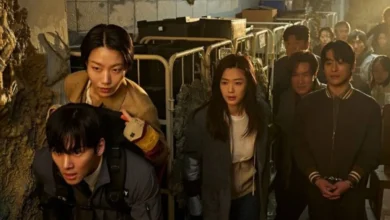
Exploring the Chilling Allure: A Deep Dive into Twelve Horror Films Set in Hospitals, from Abandoned Asylums to Sterile Operating Theaters

The sterile gleam of surgical instruments, the hushed whispers echoing through dimly lit corridors, and the inherent vulnerability associated with illness and injury have long cemented hospitals as fertile ground for cinematic horror. Far from being places of healing, these institutions, both active and abandoned, transform into nightmarish landscapes in the hands of skilled filmmakers, tapping into primal fears of mortality, loss of control, and the unknown. From the chilling isolation of a forgotten psychiatric ward to the insidious secrets hidden within a bustling emergency room, the hospital horror subgenre expertly exploits our collective anxieties, delivering frights that resonate deeply.
The Enduring Appeal of Medical Malice: Why Hospitals Terrify
The human experience is inextricably linked with medical settings, often during moments of extreme vulnerability—birth, illness, injury, and death. This inherent connection imbues hospitals with a unique psychological resonance, making them inherently unsettling even in their most benign forms. For horror cinema, this translates into a powerful canvas for exploring themes of bodily autonomy, the fragility of life, and the potential for abuse of power within institutions designed for care.
Historically, asylums, with their often-dark pasts involving controversial treatments and confinement, have provided a particularly potent backdrop. The idea of mental illness being misdiagnosed, misunderstood, or even deliberately inflicted within these walls fuels narratives of psychological torment and supernatural retribution. Modern hospitals, while ostensibly safer, still harbor anxieties related to medical error, the impersonality of large systems, and the stark reality of human suffering. The ubiquitous presence of antiseptic smells, fluorescent lighting, and repetitive sounds can evoke a sense of unease, stripping away comfort and familiarity. Furthermore, the constant proximity to death and dying, often unseen by the public but a daily reality for staff, contributes to a pervasive atmosphere of dread.
The genre frequently leverages architectural elements—long, identical corridors creating a labyrinthine effect, deserted patient rooms, sterile operating theaters, and chilling morgues—to heighten tension. These spaces, designed for specific, often grim, functions, become character in themselves, silently observing the unfolding terror. Whether the threat is a malevolent spirit, a deranged killer, or a sinister medical conspiracy, the hospital setting amplifies the stakes, trapping protagonists in an environment where escape is difficult and help is ironically, and tragically, out of reach.
A Detailed Examination of Key Films
The landscape of hospital horror is diverse, encompassing various subgenres and cultural perspectives. The following films represent a compelling cross-section, demonstrating the versatility and enduring appeal of this terrifying setting.
I. The Asylum’s Unsettling Echoes: Mental Health Facilities as Harbingers of Horror
Psychiatric hospitals, particularly those with a history of abandonment, serve as potent symbols of societal neglect and unresolved trauma. Films set in these locations often blend psychological horror with supernatural elements, exploring the thin line between madness and the paranormal.
1. Session 9 (2001)
Directed by Brad Anderson, Session 9 stands as a masterclass in atmospheric and psychological horror. The film centers on a crew tasked with removing asbestos from the sprawling, long-abandoned Danvers State Hospital in Massachusetts. As they delve deeper into the decaying structure, they uncover disturbing audio recordings from a former patient’s therapy sessions, revealing fragmented narratives of a troubled mind. The oppressive silence of the asylum, punctuated only by the creaking of old pipes and the workers’ own growing paranoia, creates an almost unbearable tension. The horror here is not merely supernatural but deeply psychological, as the crew members’ own personal demons and strained relationships unravel under the hospital’s influence. Critics praised Anderson’s subtle direction and the film’s ability to create genuine dread through suggestion rather than overt scares, leading to a chilling exploration of mental deterioration and the lingering malevolence of a place.
2. Grave Encounters (2011)
A prime example of the found footage subgenre, Grave Encounters, directed by The Vicious Brothers, thrusts viewers into the terrifying experience of a reality television crew investigating the notoriously haunted Collingwood Psychiatric Hospital. The premise involves the team voluntarily locking themselves inside overnight, equipped with cameras to capture paranormal activity. What begins as a staged investigation quickly devolves into a desperate fight for survival as the hospital itself becomes a sentient, shifting entity. Doors disappear, corridors extend endlessly, and malevolent entities, the spectral remnants of former patients and staff, emerge from the shadows. The film effectively uses its found footage format to immerse the audience, blurring the lines between what is real and what is a trick of the mind, culminating in a truly claustrophobic and disorienting horror experience. Its success spawned a sequel, cementing its place as a significant entry in modern found footage horror.
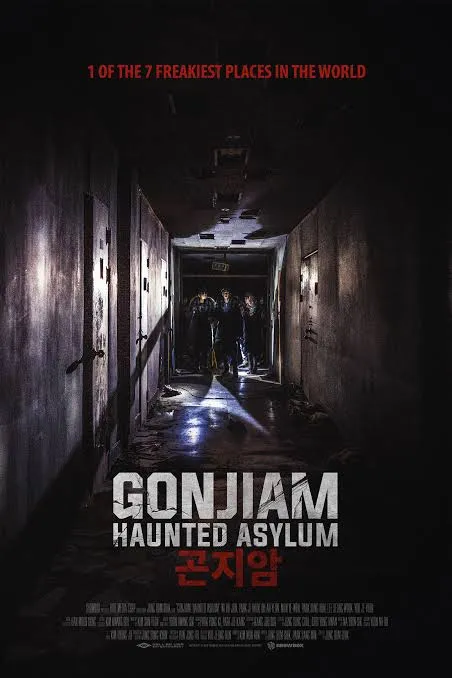
3. Gonjiam: Haunted Asylum (2018)
Hailing from South Korea, Gonjiam: Haunted Asylum (곤지암) elevates the found footage concept with a contemporary twist, featuring a livestreaming horror channel crew seeking viral fame by exploring the real-life abandoned Gonjiam Psychiatric Hospital, rumored to be one of the most haunted places in the world. The film capitalizes on the voyeuristic nature of online content creation, with the characters actively documenting their descent into terror for a live audience. As they breach forbidden areas, particularly Room 402, a series of increasingly violent and inexplicable supernatural events unfold. Director Jung Bum-shik masterfully builds tension through the characters’ handheld cameras, night vision, and drone footage, creating an immersive and highly effective jump-scare-laden experience. The film was a commercial success, demonstrating the enduring global appeal of haunted asylum narratives and the power of its immersive style.
4. The Ward (2010)
Veteran horror director John Carpenter returned to the genre with The Ward, a psychological thriller set in a 1966 psychiatric institution. The film follows Kristen (Amber Heard), a troubled young woman who wakes up in the institution with no memory of how she got there. She discovers that the other female patients in her ward are slowly disappearing, seemingly at the hands of a mysterious, disfigured ghost. Carpenter meticulously crafts an atmosphere of paranoia and unease, blending elements of slasher horror with a deep dive into the unreliable narrator trope. The horror stems not just from the supernatural entity but from the oppressive environment of the asylum, the coercive treatments, and the constant questioning of reality. While reception was mixed, it showcases Carpenter’s signature style of slow-burn suspense and the enduring thematic richness of the mental institution setting.
II. General Hospitals: Where Everyday Ailments Turn Sinister
Even fully operational hospitals, with their bustling staff and life-saving technology, can become sites of profound terror. These films often explore the breakdown of trust, the vulnerability of the body, and the lurking dangers within ostensibly safe spaces.
5. Halloween II (1981)
Picking up immediately after the events of John Carpenter’s iconic Halloween, Rick Rosenthal’s Halloween II transports Laurie Strode (Jamie Lee Curtis) to Haddonfield Memorial Hospital for treatment after her harrowing encounter with Michael Myers. However, the respite is short-lived as Michael, seemingly unkillable, tracks her to the hospital, turning the sterile environment into a bloody hunting ground. The film brilliantly uses the hospital’s layout—empty corridors, the eerie glow of emergency lights, and the vulnerability of incapacitated patients—to amplify the slasher genre’s suspense. Laurie, already traumatized, is forced to confront her tormentor in a setting where her perceived safety is a cruel illusion. The sequence where Michael stalks through the dark, abandoned sections of the hospital, dispatching staff with brutal efficiency, remains a chilling highlight of the franchise.
6. Coma (1978)
Directed by Michael Crichton and based on his novel, Coma is a medical thriller that delves into the insidious underbelly of a prestigious Boston hospital. Dr. Susan Wheeler (Geneviève Bujold), a surgical resident, becomes suspicious when several seemingly healthy patients undergoing minor surgery inexplicably fall into irreversible comas. Her investigation uncovers a chilling conspiracy involving organ harvesting and a network of complicit medical professionals. The film’s horror lies in its realistic portrayal of medical malpractice and the terrifying thought that institutions designed to heal could be actively harming. It preys on the universal fear of losing control over one’s body and the betrayal of trust placed in medical authority, making the hospital a place of hidden dread and systemic corruption. The suspense builds masterfully as Susan finds herself increasingly isolated and targeted for uncovering the truth.
7. The Void (2016)
A visceral blend of cosmic horror and body horror, The Void, directed by Steven Kostanski and Jeremy Gillespie, reimagines the hospital setting as a gateway to unimaginable terrors. A small-town police officer brings an injured man to an almost-empty rural hospital, only for the facility to be surrounded by a mysterious cult. Soon, grotesque, mutating creatures begin to emerge from within the hospital’s walls, transforming patients and staff alike into monstrous beings. The film’s horror is intensely visceral, with practical effects delivering stomach-churning creature designs. The hospital becomes a contained arena where sanity erodes, and the boundaries of reality dissolve, forcing the survivors to confront an ancient, Lovecraftian evil that uses the human body and the medical environment as its canvas for unspeakable transformation. It’s a relentless and visually disturbing ride into cosmic dread.
III. The Ethical Abyss: Medical Experimentation Gone Awry
The pursuit of scientific knowledge, when unchecked by ethical boundaries, can lead to some of the most disturbing horror scenarios. Hospitals, with their access to human subjects and advanced technology, become the perfect stage for exploring the dangerous implications of playing God.
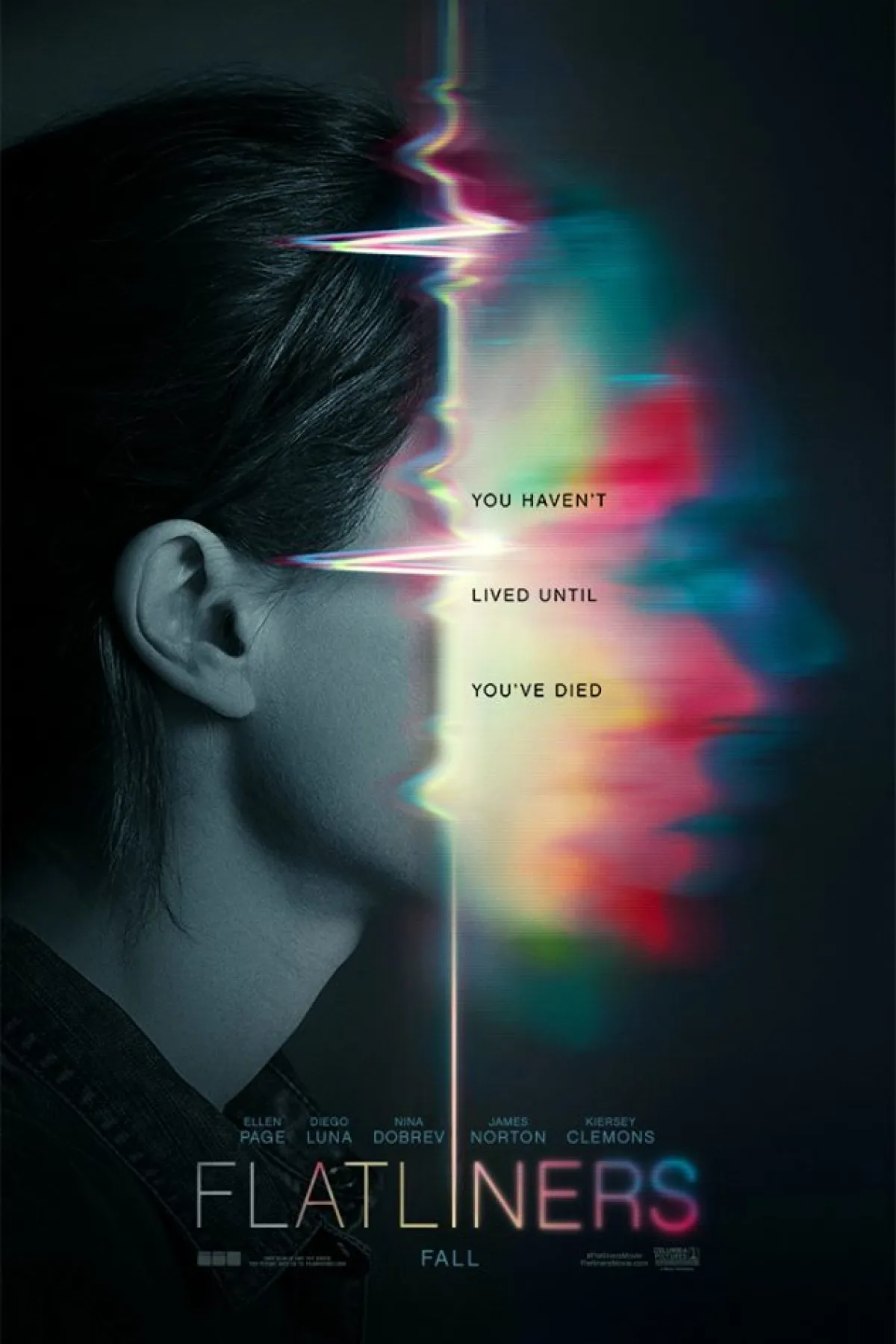
8. Flatliners (1990/2017)
Both the original 1990 film, directed by Joel Schumacher, and its 2017 remake, directed by Niels Arden Oplev, explore the perilous quest for understanding the afterlife within a medical context. A group of ambitious medical students conducts illicit experiments, inducing temporary cardiac arrest in themselves to briefly experience death and return with accounts from the other side. While initially exhilarating, these "flatlining" experiences bring back more than just memories; they unleash supernatural repercussions linked to their past sins and unresolved guilt. The hospital’s clandestine labs and empty operating rooms become the setting for their dangerous endeavors, and the horror manifests as psychological torment and spectral visitations. The films delve into themes of hubris, consequence, and the ethical limits of scientific curiosity, using the medical setting to ground its supernatural premise in a semblance of scientific exploration.
IV. Hauntings in Desolation: Abandoned Medical Facilities
The decay and desolation of abandoned hospitals naturally lend themselves to ghost stories, their empty spaces echoing with the suffering of former inhabitants. These films often leverage local folklore and the palpable sense of history to create a deeply unsettling atmosphere.

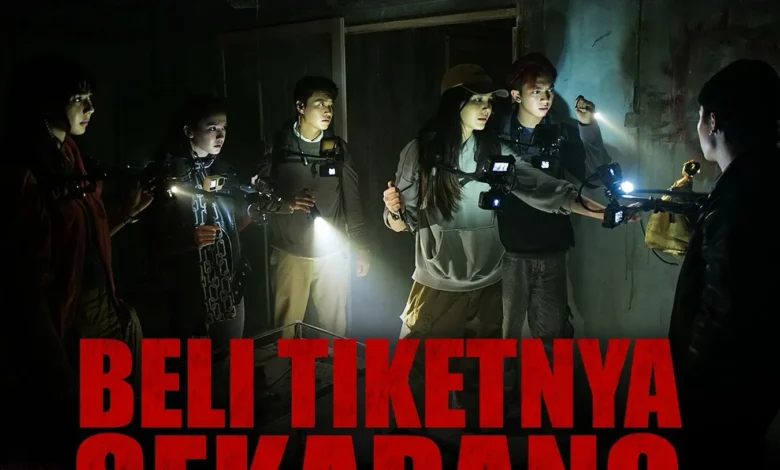
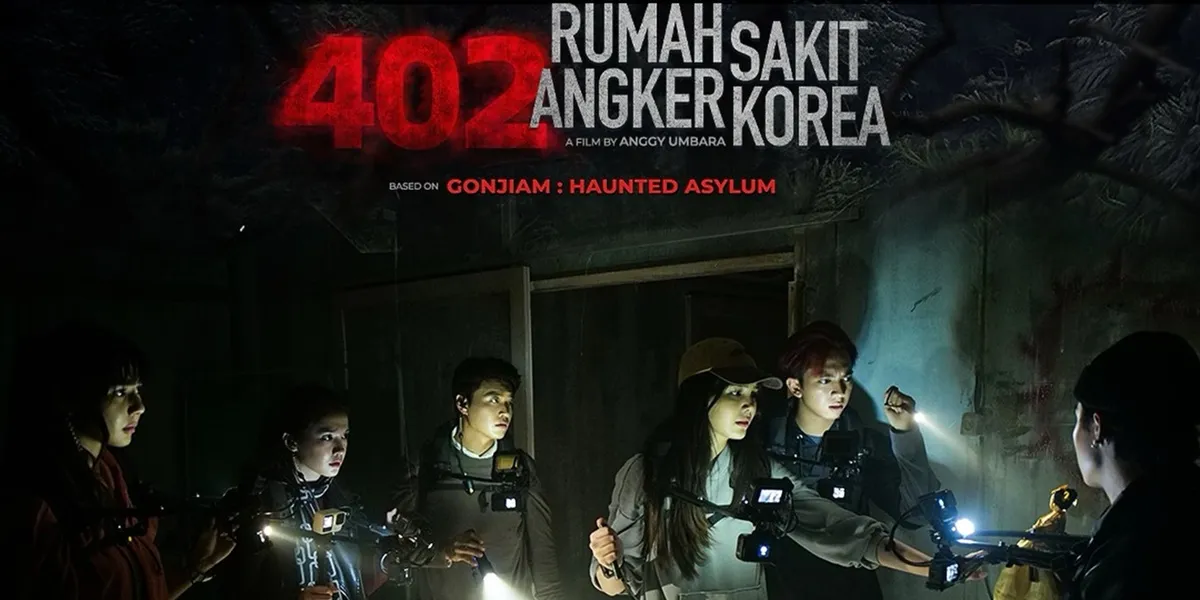
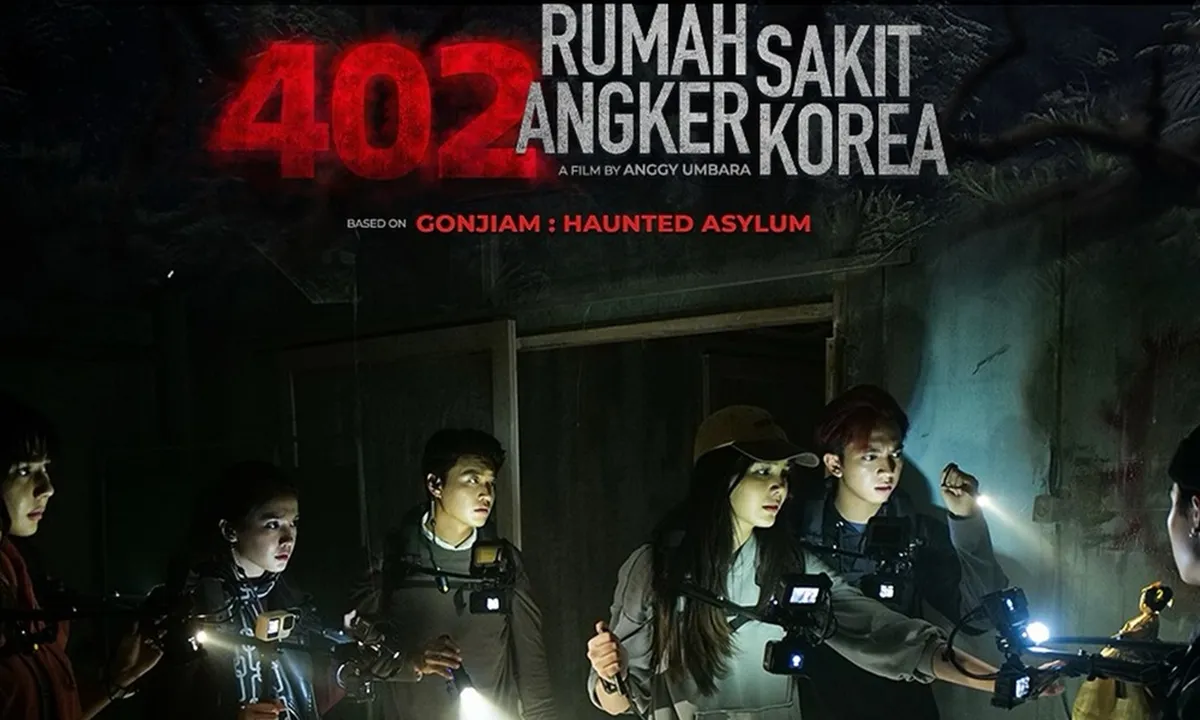
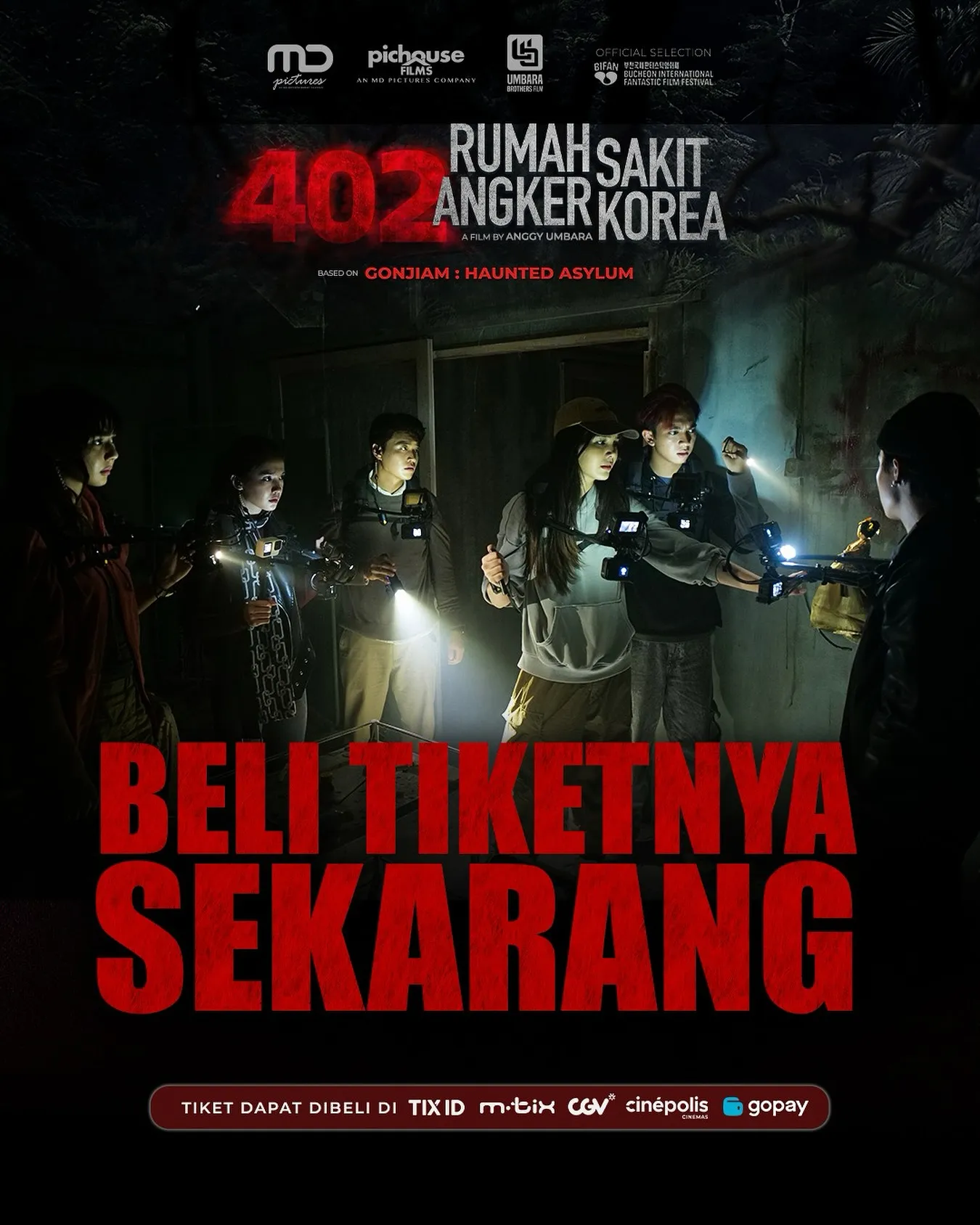
9. 402: Rumah Sakit Angker (2026)
An anticipated Indonesian production slated for 2026, 402: Rumah Sakit Angker is a direct official adaptation of the South Korean hit Gonjiam: Haunted Asylum. This film promises to bring the found footage, livestreaming horror concept to an Indonesian audience, with a local cast including Arbani Yasiz and Jang Han Sol. The narrative will likely follow a similar premise: a group of horror content creators venturing into a notorious abandoned hospital in Korea, seeking viral content but finding themselves trapped in a terrifying supernatural ordeal. The decision to adapt Gonjiam underscores the universal appeal of its premise and the potent fear evoked by abandoned psychiatric facilities, especially when infused with the local cultural anxieties surrounding the paranormal. Its release is keenly awaited, particularly to see how it integrates Indonesian horror sensibilities into the established narrative framework.
10. Satu Suro (2019)
This Indonesian horror film, directed by Anggy Umbara, weaves local supernatural beliefs into a hospital setting. The story follows Bayu (Nino Fernandez) as he desperately searches for his pregnant wife, Adinda (Citra Kirana), who mysteriously vanishes after being rushed to a remote hospital during labor. Bayu soon discovers that the hospital he entered is, in fact, an abandoned, fire-damaged ruin with a dark history. The film masterfully builds suspense through the eerie atmosphere of the derelict building, populated by restless spirits and malevolent entities, all tied to the hospital’s tragic past. The horror in Satu Suro is deeply rooted in Indonesian folklore, particularly the Javanese concept of "Satu Suro" (the first day of the Javanese new year), a time believed to be potent with mystical energy. The hospital becomes a purgatorial space where Bayu must confront both the supernatural and his own fears to rescue his wife.
11. Bekas Rumah Sakit (2020)
Another Indonesian entry, Bekas Rumah Sakit (literally "Former Hospital"), directed by Eddy Lagos, directly tackles the premise of a haunted, abandoned medical facility. The film follows a group of individuals who venture into a notorious former hospital, rumored to be a hotbed of paranormal activity, seeking to uncover its mysteries. As they spend more time within its decaying walls, they are subjected to a barrage of increasingly terrifying and inexplicable mystical occurrences. The film leans into the classic tropes of haunted locations, utilizing jump scares and atmospheric tension derived from the building’s decrepit state and its unseen inhabitants. The ensemble cast, including Gadis Basalamah and Eddy Lagos, navigates a series of horrifying encounters that test their courage and ultimately threaten their lives, cementing the abandoned hospital as a perennial favorite for local horror productions.
V. The Mind’s Labyrinth: Psychological Horror in Medical Settings
Sometimes, the most terrifying threats are not external ghosts or monsters but the insidious breakdown of one’s own sanity, often exacerbated by the confines of a medical institution. These films play with perception, trust, and the fragile nature of the human mind.
12. Unsane (2018)
Directed by Steven Soderbergh and famously shot entirely on an iPhone, Unsane is a stark and claustrophobic psychological horror film that places its protagonist, Sawyer Valentini (Claire Foy), in a nightmarish predicament. Seeking therapy for persistent stalking trauma, Sawyer inadvertently signs herself into a mental health facility against her will. Once institutionalized, she becomes convinced that her stalker is one of the hospital staff, yet her claims are dismissed as delusions due to her "condition." The film masterfully blurs the lines between reality and delusion, forcing the audience to constantly question Sawyer’s sanity and the motives of those around her. The horror in Unsane is deeply unsettling, stemming from the feeling of being trapped, disbelieved, and stripped of agency within a system designed to help but instead becomes a prison. It’s a chilling exploration of gaslighting, institutional control, and the terrifying prospect of one’s worst fears being dismissed as madness.
The Broader Impact and Cultural Resonance
The enduring popularity of hospital-set horror films underscores a universal fascination with and fear of these complex institutions. These narratives do more than just provide cheap scares; they often reflect societal anxieties about healthcare systems, mental health treatment, ethical boundaries in science, and the ultimate inevitability of illness and death.
The found footage subgenre, exemplified by films like Grave Encounters and Gonjiam: Haunted Asylum, has particularly thrived in hospital settings. The first-person perspective intensifies the sense of immersion, making the audience feel as though they are directly experiencing the characters’ terror within the labyrinthine corridors and forgotten rooms. This format leverages our modern inclination for documenting and sharing experiences, even those that lead to grave danger, highlighting a contemporary commentary on media consumption and the pursuit of viral content.
Furthermore, the distinction between films set in mental health facilities versus general hospitals highlights different facets of fear. Asylum horror often delves into psychological torment, the corruption of the mind, and the lingering echoes of past suffering, sometimes infusing supernatural elements with historical trauma. General hospital horror, on the other hand, frequently explores the vulnerability of the physical body, the potential for medical malfeasance, and the breakdown of trust in those who are supposed to heal. Films like Coma serve as potent thrillers that expose systemic flaws, while slashers like Halloween II exploit the inherent fragility of patients and staff in a confined space.
The contribution of international cinema, particularly from Asia with films like Gonjiam and its Indonesian adaptation 402: Rumah Sakit Angker, enriches the subgenre by integrating diverse cultural mythologies and horror sensibilities. These films often blend Western horror tropes with local spiritual beliefs, creating unique and deeply resonant scares that speak to a broader audience while retaining specific cultural nuances.
Conclusion
From the spectral remnants of tortured souls in abandoned asylums to the cold, calculated terror of medical conspiracies in modern facilities, horror films set in hospitals continue to captivate and terrify audiences worldwide. They expertly exploit our deepest fears surrounding vulnerability, loss of control, and mortality, transforming places of healing into unsettling landscapes of dread. As long as humanity grapples with the mysteries of the body, the mind, and the inevitability of death, the hospital will remain an inexhaustible wellspring for cinematic nightmares, reminding us that sometimes, the greatest horrors are found not in distant, fantastical realms, but in the very institutions designed to protect us.