
Four Cheese Chicken Carbonara
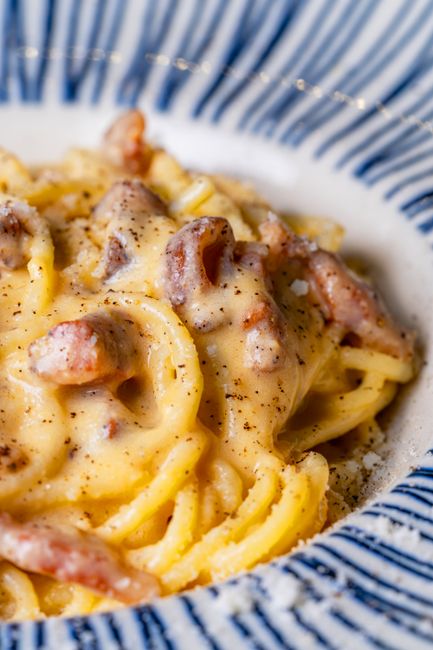
Four Cheese Chicken Carbonara: An Elevated Italian Classic
Four cheese chicken carbonara is a decadent and sophisticated twist on the traditional Roman dish. This recipe elevates the classic pork-and-egg emulsion by incorporating tender pieces of chicken and a luxurious blend of four distinct cheeses, creating a profoundly satisfying and complex flavor profile. The inherent richness of guanciale or pancetta, the creamy emulsification of egg yolks, and the sharp bite of Pecorino Romano are amplified by the addition of milder, meltier cheeses that contribute creaminess and a nuanced savory depth. This dish transcends a simple weeknight meal, offering a restaurant-quality experience achievable in any home kitchen. The key to its success lies in understanding the core principles of carbonara preparation while thoughtfully integrating the chicken and additional cheeses for a harmonious and utterly delicious outcome.
The foundation of any exceptional carbonara, whether traditional or adapted, is the quality of its ingredients. For four cheese chicken carbonara, this begins with the chicken. Opt for boneless, skinless chicken breasts or thighs, depending on your preference for fat content and tenderness. Thighs generally offer a more forgiving texture and richer flavor, while breasts are leaner and cook more quickly. Cubing the chicken into bite-sized pieces ensures even cooking and makes it easy to incorporate throughout the pasta. Seasoning is paramount: a generous pinch of salt and freshly cracked black pepper are essential before searing. The rendering fat from the cured pork product, typically guanciale (cured pork jowl) or pancetta (Italian bacon), is crucial for imparting authentic flavor and creating the creamy sauce. Guanciale, with its higher fat content and distinctive flavor, is the traditional choice and highly recommended for its superior taste. Pancetta is a widely available and acceptable substitute. Cubing this pork product into small lardons allows for maximum surface area exposure for rendering its delicious fat.
The star of this variation, of course, is the quartet of cheeses. The traditional carbonara relies solely on Pecorino Romano, a hard, salty sheep’s milk cheese that provides a sharp, pungent bite. To achieve the "four cheese" designation, we build upon this base. Parmigiano-Reggiano, another hard, aged cheese, offers a nutty, slightly sweeter profile that complements the Pecorino Romano beautifully. Its finely grated texture melts smoothly into the sauce. For creaminess and a milder, more accessible flavor, Gruyère is an excellent choice. This Swiss cheese boasts a subtle sweetness and a distinct nutty aroma, melting with a glorious stretch. Finally, a touch of Fontina Val d’Aosta, a semi-soft Italian cheese, adds a delightful creaminess and a subtle earthy note that binds the other cheeses together. The key to using multiple cheeses is to balance their strengths: the sharpness of Pecorino, the nuttiness of Parmigiano, the meltiness of Gruyère, and the creaminess of Fontina. Grating all cheeses finely ensures they melt seamlessly into the sauce without clumping.
The preparation of the four cheese chicken carbonara is a precise dance of timing and heat management. Begin by bringing a large pot of salted water to a rolling boil for the pasta. While the water heats, prepare the other components. In a large skillet, heat a tablespoon of olive oil over medium heat. Add the cubed chicken and cook until golden brown and cooked through. Remove the chicken from the skillet and set aside, leaving any rendered fat in the pan. Add the cubed guanciale or pancetta to the same skillet. Cook over medium-low heat, stirring occasionally, until crispy and golden brown. The goal is to render out the fat from the pork product without burning it. Once crispy, remove the pork product from the skillet with a slotted spoon, leaving the rendered fat in the pan. This rendered fat is liquid gold for the carbonara sauce.
While the pork crisps, prepare the egg and cheese mixture. In a medium bowl, whisk together egg yolks (discard the whites or save them for another use). The yolks are essential for the creamy emulsion. Add the finely grated Pecorino Romano, Parmigiano-Reggiano, Gruyère, and Fontina cheeses to the egg yolks. Season with a generous amount of freshly cracked black pepper. Mix thoroughly until a thick, paste-like consistency forms. The pepper is a crucial flavor component in traditional carbonara, so don’t be shy.
Once the water is boiling, add your chosen pasta. Spaghetti is the classic choice, but bucatini, fettuccine, or rigatoni also work well. Cook the pasta according to package directions until al dente – tender but still with a slight bite. Before draining the pasta, reserve at least one cup of the starchy pasta water. This starchy water is vital for achieving the perfect creamy sauce consistency. Drain the pasta thoroughly.
Now, the magic happens. Return the skillet with the rendered pork fat to low heat. Add the drained pasta directly to the skillet. Toss the pasta to coat it evenly in the rendered fat. This initial coating helps prevent the pasta from sticking and begins the emulsification process. Immediately pour the egg and cheese mixture over the hot pasta. Toss vigorously and continuously with tongs. The heat from the pasta will gently cook the egg yolks, creating a creamy, velvety sauce. If the sauce appears too thick, gradually add small amounts of the reserved pasta water, tossing constantly, until you achieve your desired consistency. The starch in the water helps to emulsify the sauce and prevent it from becoming oily.
Once the sauce has emulsified and coats the pasta beautifully, add the cooked chicken back into the skillet. Toss to distribute evenly. The residual heat will warm the chicken through. Stir in the crispy guanciale or pancetta. Serve immediately. Garnish with additional freshly grated Pecorino Romano and a final grind of black pepper.
The success of four cheese chicken carbonara hinges on a few key techniques. Firstly, the tempering of the egg mixture is paramount. Adding the raw egg and cheese mixture to hot, but not directly boiling, pasta in a warm skillet allows the eggs to cook gently without scrambling. Continuous tossing is essential to distribute the heat evenly and create a smooth emulsion. Secondly, the judicious use of reserved pasta water is non-negotiable. This starchy liquid acts as a binder, emulsifier, and allows for fine-tuning the sauce’s texture. Adding it too quickly or in large quantities can result in a watery sauce. Start with small additions and build to your desired consistency.
The choice of pasta can subtly influence the overall experience. While spaghetti is traditional, its smooth surface allows for a beautiful coating of the creamy sauce. Bucatini, with its hollow center, can trap some of the sauce, offering bursts of flavor with each bite. Fettuccine provides a broader surface area for the sauce to cling to, while a short pasta like rigatoni can hold small pockets of sauce and cheese. Experiment with different shapes to discover your personal favorite.
For those seeking a lighter version or dietary considerations, substitutions can be made, though they will alter the traditional flavor profile. For a dairy-free option, a cashew-based cream sauce could be used, though it will not replicate the distinct cheese flavors. For a vegetarian take, omitting the chicken and pork is straightforward; however, the characteristic richness and savory depth of carbonara are significantly diminished without cured pork. A vegetarian bacon substitute could be explored.
The four cheese chicken carbonara is a versatile dish that can be adapted for various occasions. For a more elegant presentation, serve individual portions topped with a sprinkle of fresh parsley or chives. A side salad with a light vinaigrette offers a refreshing counterpoint to the richness of the pasta. This dish pairs exceptionally well with a crisp white wine, such as a Pinot Grigio or a Sauvignon Blanc, which can cut through the richness, or a light-bodied red like a Sangiovese.
Beyond the fundamental recipe, exploring variations can further enhance the culinary adventure. Consider infusing the rendered pork fat with aromatics like garlic or chili flakes for an extra layer of flavor. A touch of lemon zest added at the end can brighten the palate and provide a welcome contrast. For those who enjoy a bit of heat, a pinch of red pepper flakes can be incorporated into the egg mixture.
In conclusion, four cheese chicken carbonara represents a delicious evolution of a beloved Italian classic. By thoughtfully integrating tender chicken and a balanced medley of four cheeses, this recipe delivers a depth of flavor and a luxurious texture that is both comforting and sophisticated. Mastering the techniques of emulsification and heat control will yield a truly memorable culinary experience, making this elevated carbonara a staple in any discerning cook’s repertoire. The combination of savory cured pork, tender chicken, creamy eggs, and the complex interplay of four distinct cheeses creates a dish that is undeniably greater than the sum of its parts, a testament to the enduring appeal of Italian cuisine.
