
German Zwiebelkuchen Onion Pie
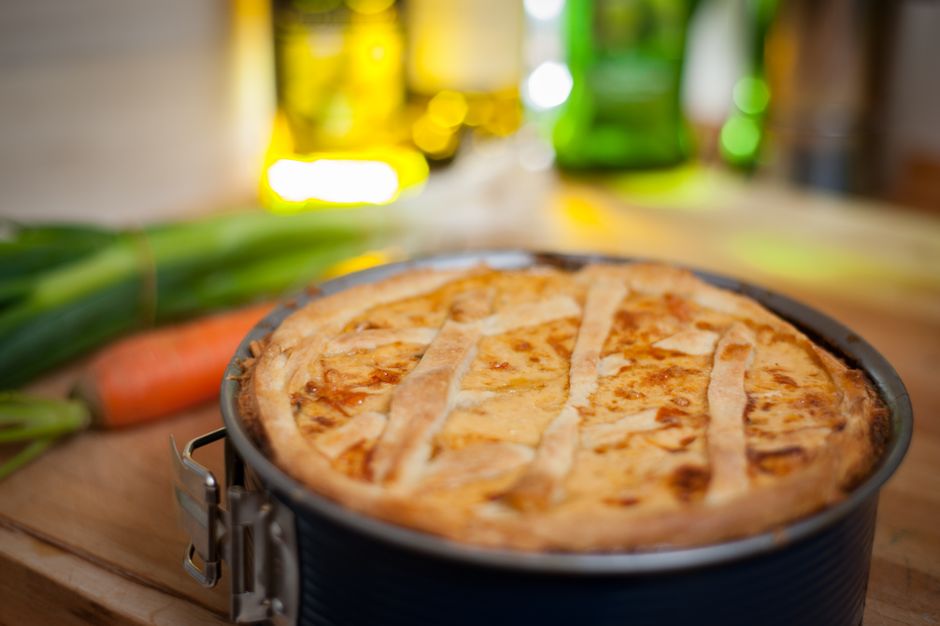
German Zwiebelkuchen: A Culinary Celebration of Onions
German Zwiebelkuchen, often translated as "onion pie," is a savory tart deeply ingrained in German culinary tradition, particularly prevalent during autumn and the wine harvest season. Far from a simple sweet pastry, Zwiebelkuchen is a hearty, comforting dish that transforms humble onions into a star ingredient. Its robust flavor profile, characterized by the sweet, caramelized notes of slow-cooked onions contrasted with a savory custard and a crisp, buttery crust, makes it a beloved staple at festivals, family gatherings, and as a satisfying meal in its own right. Understanding the nuances of German Zwiebelkuchen involves exploring its origins, regional variations, the science behind its deliciousness, and practical tips for preparation. This article aims to provide a comprehensive, SEO-friendly guide to this iconic German dish, offering insights for both novice cooks and seasoned enthusiasts.
The historical roots of Zwiebelkuchen are somewhat intertwined with the history of agriculture and sustenance in German-speaking regions. Onions have been cultivated for millennia and were a readily available and inexpensive food source for many centuries. Their ability to be stored for long periods made them a crucial component of winter diets. The concept of combining onions with a baked dough likely emerged as a practical way to extend their flavor and make them more palatable and filling. Early versions of Zwiebelkuchen would have been far simpler, perhaps just onions baked on a flatbread or in a rudimentary dough. The development of richer doughs and custard-like fillings reflects a progression in culinary techniques and the increasing availability of ingredients like eggs and dairy. It’s often associated with the wine-growing regions of Germany, where it’s traditionally enjoyed with new wine (Federweisser or Sturm), a young, partially fermented wine that shares a similar seasonal availability. This pairing is not coincidental; the slightly sweet and acidic profile of the new wine cuts through the richness of the Zwiebelkuchen, creating a harmonious culinary experience. The exact origin is difficult to pinpoint, but its widespread popularity across various German states suggests an organic evolution driven by ingredient availability and regional preferences.
Regional variations of Zwiebelkuchen add layers of complexity and illustrate the diverse culinary landscape of Germany. While the core concept remains consistent – onions in a savory pie – the specifics differ significantly. In the southwest, particularly in Baden-Württemberg and parts of Bavaria, Zwiebelkuchen often features a rich, creamy filling made with Quark (a fresh, unripened cheese similar to sour cream or cottage cheese), eggs, and sour cream or heavy cream. This results in a particularly dense and luxurious pie. The onions are typically sliced thinly and sautéed until deeply caramelized, often with bacon lardons (Speckwürfel) for an added savory depth. The crust can vary from a simple shortcrust pastry (Mürbeteig) to a yeast dough base (Hefeteig), offering different textural experiences. In other regions, such as Rhineland-Palatinate, you might find a lighter filling with more emphasis on the sweetness of the onions and less dairy. Some recipes might incorporate a touch of nutmeg or caraway seeds for subtle aromatic notes. The crust is also a point of variation; while pastry is common, a yeast dough crust can provide a chewier, more bread-like foundation, especially when served as a more substantial meal. The inclusion of other ingredients is also seen. While bacon is a frequent addition for its smoky, salty notes, some regional adaptations might include ham or even small cubes of sausage. The key differentiator often lies in the richness and composition of the custard, the way the onions are prepared, and the type of dough used for the base.
The culinary magic of German Zwiebelkuchen lies in the transformation of onions. This process is a testament to the power of slow cooking and caramelization. Onions, primarily composed of water and sugars (fructose, glucose, and sucrose), undergo a profound change when heated. As the water evaporates during sautéing or baking, the sugars become concentrated. The Maillard reaction, a complex chemical process between amino acids and reducing sugars, then kicks in, responsible for the browning and the development of hundreds of new flavor compounds that contribute to the rich, savory, and slightly sweet taste of caramelized onions. This reaction begins at around 280-330°F (140-165°C). By gently cooking the onions for an extended period – often an hour or more, whether on the stovetop or as part of the baking process – you unlock their full flavor potential. This slow development is crucial for Zwiebelkuchen, preventing the harsh, pungent bite of raw onions and instead yielding a meltingly tender, sweet, and deeply satisfying flavor. The onions release their natural moisture, which then concentrates their sugars, leading to this desirable caramelization. The longer and slower the cooking, the deeper and more complex the flavor. This careful preparation ensures that the onions are not merely an ingredient but the star of the dish, providing the foundational sweetness and aroma.
The custard filling is another cornerstone of authentic Zwiebelkuchen. This creamy mixture binds the caramelized onions together and provides a rich, savory counterpoint to their sweetness. The typical base consists of eggs, cream, and often sour cream or Quark. Eggs act as the primary binder, creating a cohesive filling when baked. The cream and sour cream (or Quark) contribute moisture, richness, and a slight tanginess that balances the sweetness of the onions. The fat content in the dairy components also contributes to the luxurious texture and mouthfeel of the finished pie. Seasoning is typically kept simple to allow the onion and custard flavors to shine. Salt and freshly ground black pepper are essential. Some cooks may add a pinch of nutmeg, which complements both onions and dairy beautifully, or a touch of caraway seed for a subtle, anise-like warmth. The ratio of these ingredients is critical. Too much egg can result in a rubbery texture, while too little will leave the filling too loose. The right balance ensures a custard that is firm enough to hold its shape but still wonderfully creamy and yielding. The slight acidity from sour cream or Quark is particularly important in cutting through the richness and enhancing the overall flavor profile of the Zwiebelkuchen, preventing it from becoming cloying.
The crust of Zwiebelkuchen plays a vital textural role, providing a crisp foundation for the soft, savory filling. Two main types of dough are commonly used: shortcrust pastry (Mürbeteig) and yeast dough (Hefeteig). Shortcrust pastry, made with flour, butter (or lard), and water, creates a flaky, buttery crust that is tender and crumbly. It’s relatively easy to make and provides a classic tart experience. The key to a good shortcrust is to handle the dough as little as possible after adding the fat to prevent gluten development, which would result in a tough crust. Chilling the dough is also crucial. Yeast dough, on the other hand, results in a chewier, more bread-like crust. This dough requires proofing time and yields a more rustic, substantial base. It’s often favored when Zwiebelkuchen is intended as a more complete meal. Regardless of the type of dough, blind baking (partially or fully baking the crust before adding the filling) is often recommended to prevent a soggy bottom, especially with moister fillings. This ensures that the crust is fully cooked and retains its desirable crispness. The choice between shortcrust and yeast dough often comes down to personal preference and the desired final texture and character of the Zwiebelkuchen.
Making authentic German Zwiebelkuchen at home involves several key steps and considerations. The quality of your ingredients will significantly impact the final outcome. Use fresh, good-quality onions – yellow or white onions are generally preferred for their balance of sweetness and mildness. For the crust, whether you opt for homemade or high-quality store-bought pastry, ensure it’s well-chilled before rolling and shaping. The most critical stage is the onion preparation. Slicing the onions thinly and uniformly is important for even cooking and caramelization. Patience is key during the sautéing process; aim for a deep, golden-brown color and a sweet aroma. Avoid rushing this step by using high heat, as this can burn the onions before they caramelize. For the custard, whisk the eggs thoroughly to ensure they are well incorporated and the filling is smooth. Don’t overmix once the dairy is added. Seasoning should be done to taste, remembering that the bacon, if used, will also contribute saltiness. When assembling, ensure the onions are evenly distributed within the custard. Baking time and temperature can vary depending on your oven and the depth of your pie dish. Look for a golden-brown custard and a set center. Allowing the Zwiebelkuchen to cool slightly before slicing is also important for the filling to fully set.
Serving German Zwiebelkuchen is an experience that often evokes warmth and conviviality. Traditionally, it’s enjoyed in the autumn, especially during the wine harvest, alongside Federweisser (new wine) or Sturm. The slight effervescence and tartness of these young wines perfectly complement the rich, savory depth of the Zwiebelkuchen. However, it’s also delicious with a crisp, dry white wine like a Riesling or a Grüner Veltliner, or even a light-bodied beer. Zwiebelkuchen can be served as an appetizer, a light lunch, or a hearty main course. When served as a main, it pairs well with a simple green salad dressed with a vinaigrette to provide a fresh counterpoint to the richness of the pie. Some may also enjoy it with a dollop of sour cream on the side for added creaminess and tang. Reheating leftovers is best done in a moderate oven to restore the crispness of the crust. Avoid microwaving, which can lead to a soggy base. The comforting nature of Zwiebelkuchen makes it ideal for chilly evenings and gatherings with friends and family.
The SEO aspects of this article are woven throughout its structure and content. Keywords such as "German Zwiebelkuchen," "onion pie," "recipe," "German food," "savory tart," "caramelized onions," "custard filling," and "autumn recipes" are strategically incorporated into headings, subheadings, and the body text. The comprehensive nature of the article, covering history, variations, preparation, and serving suggestions, aims to capture a broad range of user queries related to this dish. The detailed explanations of the culinary processes, like caramelization and custard formation, provide valuable information that users actively search for. The inclusion of practical tips for home cooks also enhances its search engine visibility by addressing common user needs. By offering a deep dive into the subject matter, this article aims to establish itself as a go-to resource for anyone interested in German Zwiebelkuchen, thereby improving its ranking in search engine results. The consistent use of relevant terminology and the comprehensive coverage ensure that users searching for information about this specific dish will find this article to be informative and relevant.
In conclusion, German Zwiebelkuchen is more than just an onion tart; it’s a culinary tradition, a celebration of seasonal produce, and a testament to the power of transforming simple ingredients into something extraordinary. Its rich history, regional diversity, and the meticulous process of caramelizing onions and crafting a savory custard make it a dish that continues to delight palates across generations. Whether you are exploring German cuisine for the first time or seeking to recreate a taste of home, mastering the art of Zwiebelkuchen offers a deeply satisfying culinary adventure. The interplay of textures, from the crisp crust to the tender onions and creamy filling, combined with the complex, sweet-savory flavor profile, makes it a truly unforgettable dish. It embodies the spirit of German comfort food, perfect for sharing and savoring during the cooler months.
