
Grilled Lamb Loin Chops
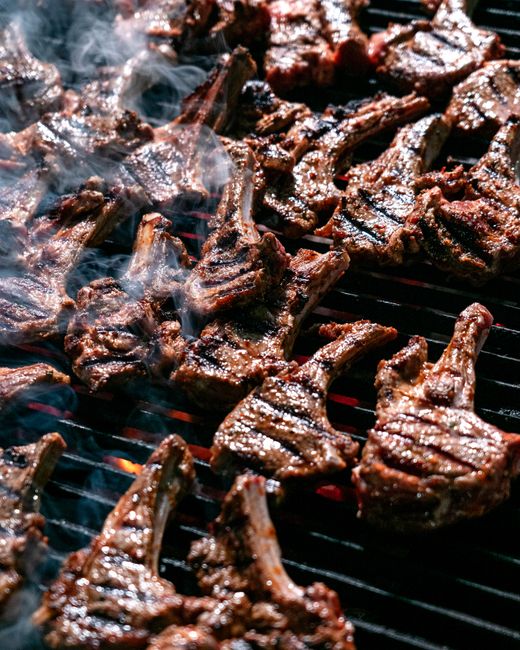
The Ultimate Guide to Grilling Perfect Lamb Loin Chops: Flavor, Technique, and Mastery
Grilled lamb loin chops represent a pinnacle of simple yet sophisticated cooking. Their inherent richness, delicate texture, and ability to absorb marinades and rubs make them an ideal candidate for the grill, yielding a dish that is both impressive and relatively straightforward to execute. This comprehensive guide will delve into every facet of preparing and grilling lamb loin chops, from selecting the finest cuts to mastering essential cooking techniques, ensuring consistent, restaurant-quality results. We will explore the nuances of marinades, rubs, optimal grilling temperatures, resting periods, and serving suggestions, providing actionable advice for both novice and experienced grill masters. Understanding the fundamental principles of lamb loin chop preparation unlocks a world of flavor and culinary satisfaction.
The quality of your lamb loin chops is the foundational element of a successful dish. When purchasing, look for vibrant, ruby-red meat with clear, white fat marbling. This marbling is crucial; it renders during grilling, basting the meat and contributing significantly to its succulence and flavor. Loin chops are typically cut from the short loin, a tender section of the lamb. They are characterized by a T-shaped bone, with a tenderloin on one side and a loin eye on the other. The thickness of the chops is another important consideration. Aim for chops that are at least one inch thick, ideally 1.25 to 1.5 inches. Thicker chops are more forgiving on the grill, allowing for better control over the internal temperature and reducing the risk of overcooking. Avoid chops that appear dry, dull, or have any off-putting odors. If possible, purchase from a reputable butcher who can advise on the origin and quality of their lamb. Pasture-raised or grass-fed lamb often exhibits a more pronounced flavor profile, which can be particularly appealing for grilling. Consider the fat cap; a well-trimmed but present fat cap will enhance flavor and moisture.
Marination is a powerful tool for infusing lamb loin chops with complementary flavors and tenderizing the meat. The acidic components in marinades, such as lemon juice, vinegar, or yogurt, help to break down tough muscle fibers, while herbs, spices, and aromatics impart depth. A classic Mediterranean-inspired marinade often includes olive oil, lemon juice, garlic, fresh rosemary, and thyme. For a more robust flavor, consider incorporating red wine, balsamic vinegar, or soy sauce (for an umami boost). A good marinade should balance acidity, fat, and flavor. Allow the chops to marinate for a minimum of 30 minutes at room temperature, or up to four hours in the refrigerator. For thicker chops, longer marination times can be beneficial. It is crucial to avoid over-marinating with highly acidic liquids, as this can result in a mushy texture. Always marinate in a non-reactive container, such as glass or a food-grade plastic bag. Discard used marinades; they are not safe for consumption after contact with raw meat.
Dry rubs offer an alternative or complementary approach to flavoring lamb loin chops, creating a flavorful crust that caramelizes on the grill. A well-constructed rub typically consists of salt, pepper, and a blend of spices. Common rub ingredients for lamb include garlic powder, onion powder, paprika (sweet or smoked), cumin, coriander, and dried herbs like oregano and mint. The salt in the rub not only adds flavor but also helps to draw out moisture, which can then reabsorb into the meat, contributing to a more tender outcome. Apply the rub liberally to all surfaces of the lamb chops, ensuring even coverage. It’s beneficial to apply rubs at least 30 minutes before grilling, allowing the flavors to meld with the meat. For an enhanced crust, you can even apply the rub several hours or overnight in the refrigerator, loosely covered. The combination of a dry rub and a quick sear on the grill creates a delicious Maillard reaction, resulting in complex flavors and a satisfying texture.
Preheating your grill is non-negotiable for achieving perfectly seared lamb loin chops. Whether you are using a gas or charcoal grill, a hot cooking surface is essential. For gas grills, preheat to medium-high heat, around 400-450°F (200-230°C). For charcoal grills, aim for medium-high heat by arranging the coals for direct grilling. This means the coals are directly beneath the cooking grate. A properly preheated grill will prevent the chops from sticking and will ensure a beautiful, caramelized crust. Clean your grill grates thoroughly before cooking. A wire brush is ideal for removing any residue from previous cooks. Oiling the grates after cleaning can further aid in preventing sticking. You can oil the grates by dipping a folded paper towel in high-smoke-point oil (like canola or vegetable oil) and carefully wiping it across the hot grates using long-handled tongs.
The grilling process itself requires attention to temperature and timing. Place the lamb loin chops on the preheated grill. For chops that are one inch thick, aim for approximately 3-4 minutes per side for medium-rare, and 4-5 minutes per side for medium. Thicker chops will require slightly longer cooking times. Use a meat thermometer to accurately gauge the internal temperature. For medium-rare, aim for an internal temperature of 130-135°F (54-57°C). For medium, target 140-145°F (60-63°C). It is crucial to remove the chops from the grill when they are a few degrees below your target temperature, as they will continue to cook while resting (carryover cooking). Avoid the temptation to constantly flip or move the chops; allow them to develop a good sear on each side. If using a charcoal grill and the flames become too intense, move the chops to a cooler part of the grill (indirect heat) to finish cooking.
Resting the grilled lamb loin chops is a critical step that is often overlooked, but it is essential for optimal juiciness. Once removed from the grill, transfer the chops to a clean plate or cutting board. Loosely tent them with aluminum foil. This allows the juices within the meat, which have been driven towards the center by the heat, to redistribute throughout the chop. Cutting into the meat too soon will result in a significant loss of those precious juices, leading to a drier final product. Allow the chops to rest for at least 5-10 minutes. The resting time should be proportional to the thickness of the chops. For thicker cuts, a longer rest is recommended. During this period, the internal temperature will also rise by an additional 5-10 degrees Fahrenheit, helping to reach your desired doneness.
Serving grilled lamb loin chops can be as simple or as elaborate as you desire. Their natural richness pairs well with a variety of accompaniments. Classic pairings include roasted root vegetables such as potatoes, carrots, and parsnips, or a fresh, vibrant green salad. Mint sauce, a traditional accompaniment to lamb, offers a bright counterpoint to the rich meat. Other flavorful sauces include a red wine reduction, chimichurri, or a simple lemon-herb vinaigrette. For a more substantial meal, consider serving them alongside creamy mashed potatoes, grilled asparagus, or a pilaf. The visual appeal of the grilled chops, with their char marks and juicy interior, makes them a star on any plate.
Understanding and controlling grill temperature is paramount for success. For direct grilling, which is ideal for lamb loin chops, you want consistent heat. On a charcoal grill, this is achieved by managing the airflow. Opening the vents more will increase the heat, while closing them will reduce it. On a gas grill, the control knobs regulate the burner output. A grill thermometer is a valuable tool for maintaining consistent temperatures. When grilling lamb loin chops, you are aiming for a hot, direct heat to achieve a good sear and develop a flavorful crust, followed by a slightly less intense heat if needed to cook through without burning. The thickness of the chops dictates how long they will spend on each side, and this is directly related to the grill temperature.
Preventing sticking is a common concern for grillers. Aside from a clean and oiled grate, ensuring the chops have been properly patted dry before seasoning or marinating is important. Excess moisture can create steam, hindering the sear and promoting sticking. Once the chops are placed on the grill, resist the urge to move them immediately. Allow them to develop a sear for a few minutes before attempting to flip. This initial contact with the hot grate will form a crust that helps to release the meat. If a chop does begin to stick, gently try to release it. Forcing it can tear the meat and leave remnants on the grate. Sometimes, a little extra time on the heat will naturally release it.
The internal temperature of lamb loin chops is the most reliable indicator of doneness. Relying solely on visual cues can be misleading. Invest in a good instant-read meat thermometer. Insert the thermometer into the thickest part of the chop, avoiding the bone. As mentioned, aim for 130-135°F for medium-rare and 140-145°F for medium. These temperatures will rise during the resting period. For those who prefer their lamb well-done, aim for 155-160°F (68-71°C), though this is not generally recommended for loin chops as it can lead to dryness. Remember that carryover cooking is a real phenomenon, and pulling the chops off the heat a few degrees early is key to achieving the perfect final doneness.
The cut of the lamb loin chop itself plays a role in cooking time and tenderness. As discussed, the T-bone structure offers two distinct textures. The tenderloin side is exceptionally tender, while the loin eye is slightly firmer but still very tender. Both benefit from careful grilling. The fat cap along the edge provides moisture and flavor. When trimming, leave a small amount of fat to enhance the grilling process. Over-trimming will result in a less flavorful and potentially drier chop.
When considering flavor profiles, lamb loin chops are remarkably versatile. Their mild, yet distinct, flavor pairs well with robust herbs like rosemary and thyme. Garlic is almost always a welcome addition. For a brighter flavor, lemon zest and juice can cut through the richness. Spices like cumin and coriander can add warmth and complexity. For a touch of sweetness, honey or maple syrup can be incorporated into marinades or glazes. The key is to complement, not overpower, the natural flavor of the lamb.
Alternative cooking methods can also be employed for lamb loin chops, though grilling offers a distinct advantage in terms of smoky flavor and char. Pan-searing can achieve a similar crust but lacks the smoky element. Broiling can also work, but requires careful monitoring to prevent burning. However, for the purposes of this guide, the focus remains on achieving mastery of the grill.
In summary, grilling perfect lamb loin chops involves a systematic approach: selecting quality meat, employing effective marinades or rubs, preheating the grill to the correct temperature, utilizing direct heat for searing, monitoring internal temperature with a thermometer, and allowing for adequate resting time. Each step contributes to a final dish that is both visually appealing and exceptionally flavorful, showcasing the inherent quality of this prized cut of lamb. By adhering to these principles and practicing these techniques, you will consistently produce lamb loin chops that are tender, juicy, and bursting with grilled goodness.
