
Grilled Potatoes And Onion
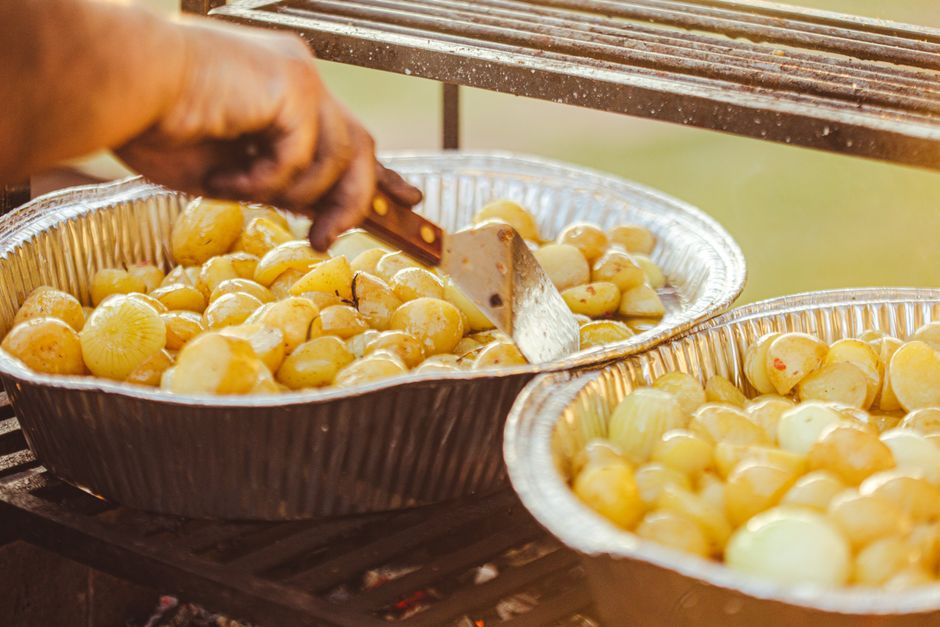
The Ultimate Guide to Grilling Potatoes and Onions: Perfect Smoky Flavors Every Time
Grilling potatoes and onions transforms humble ingredients into a smoky, caramelized, and deeply satisfying side dish. The high heat of the grill sears the natural sugars in both the potatoes and onions, creating a complex flavor profile that baked or boiled versions simply cannot replicate. This comprehensive guide will delve into every aspect of achieving grilled perfection, from potato selection and preparation to onion variety and grilling techniques. We’ll cover the best methods for tender yet firm potatoes, sweet and savory onions, and tips for achieving that coveted char and smoky aroma. Whether you’re a grilling novice or a seasoned pitmaster, this article will equip you with the knowledge to master this essential outdoor culinary staple.
Choosing the right potato variety is paramount for successful grilling. Starchy potatoes, such as Russets or Idahos, tend to break down too easily on the grill, becoming mushy and difficult to handle. Waxy potatoes, on the other hand, hold their shape beautifully under heat and develop a delightful tenderness without losing their integrity. Excellent choices include Yukon Golds, red potatoes (such as Red Norland or Red Bliss), fingerling potatoes, and new potatoes. These varieties have a lower starch content and a firmer texture, making them ideal for direct or indirect grilling. Their skins also crisp up beautifully, adding another layer of texture and flavor to the finished product. When selecting your waxy potatoes, look for firm, unblemished specimens. The size of the potato also plays a role; smaller potatoes can be grilled whole or halved, while larger ones may benefit from being cut into wedges or thick slices to ensure even cooking. For optimal results, aim for uniformly sized potatoes within your chosen batch to ensure they cook at the same rate.
Onions, much like potatoes, offer a diverse range of flavors and textures when grilled. The key is to select onions that will caramelize beautifully and develop a sweet, mellow flavor without becoming acrid or overly pungent. Sweet onions are generally the top choice for grilling due to their high sugar content, which facilitates caramelization. Varieties like Vidalia, Walla Walla, or Maui onions are excellent options. Their mild flavor profile complements the earthy notes of the potatoes without overpowering them. Yellow onions can also be used, offering a slightly more robust flavor but still caramelizing well. Red onions, while beautiful in color, can sometimes retain a sharper bite when grilled, though thin slicing and ample cooking time can mitigate this. Avoid very pungent white onions or strong shallots unless you are specifically aiming for a sharper, more intense onion flavor. As with potatoes, uniformity in size and thickness of slices is crucial for even cooking.
Preparation is a critical step in ensuring your grilled potatoes and onions achieve their full potential. For potatoes, a thorough washing is essential to remove any dirt. Depending on your preference and the potato variety, you can choose to peel them or leave the skins on. Leaving the skins on adds texture, nutrients, and a delightful crispiness when grilled. If peeling, do so thinly to preserve as much of the potato flesh as possible. The next crucial step is cutting. For smaller waxy potatoes, you can grill them whole, halved, or quartered. Larger potatoes should be cut into uniform wedges or thick slices, approximately ½ to ¾ inch thick. This ensures that the heat penetrates the potato evenly, leading to tender interiors and nicely seared exteriors.
Parboiling or pre-boiling your potatoes before grilling is a highly recommended technique for achieving perfectly tender potatoes without burning the exteriors. This step significantly reduces the overall grilling time and guarantees a creamy, cooked-through interior. Bring a large pot of salted water to a rolling boil. Add your prepared potato pieces and boil for approximately 5-7 minutes, or until they are fork-tender but still hold their shape. They should not be fully cooked at this stage; you are simply softening them. Drain the potatoes thoroughly and allow them to steam dry in the colander for a few minutes. This is important to remove excess moisture, which will promote better searing and browning on the grill. For onions, slicing them into thick rounds or wedges, about ½ to ¾ inch thick, is ideal. Individual onion layers can also be grilled if separated carefully, though rings or wedges are generally easier to manage.
Seasoning is where you infuse flavor into your grilled potato and onion masterpiece. A generous drizzle of olive oil or another high-heat cooking oil is essential for both potatoes and onions. This oil helps to prevent sticking, promotes browning and caramelization, and acts as a carrier for your chosen seasonings. For a simple yet effective flavor profile, a liberal application of kosher salt and freshly ground black pepper is a must. Don’t be shy with the salt; potatoes are quite absorbent and can handle a good amount. Beyond salt and pepper, the possibilities are vast. Consider adding smoked paprika for an extra smoky dimension, garlic powder or granulated garlic for pungent depth, onion powder for an intensified onion flavor, or dried herbs like rosemary, thyme, or oregano. For a touch of heat, red pepper flakes are an excellent addition. You can also experiment with spice blends like your favorite barbecue rub or a Cajun seasoning. For onions, a touch of sugar can further enhance their natural sweetness and caramelization, though this is often unnecessary with sweet onion varieties. Ensure all pieces are evenly coated with oil and seasonings before they hit the grill.
Grilling methods for potatoes and onions can vary depending on your grill type and desired outcome. Direct grilling, where food is placed directly over the heat source, is excellent for achieving char marks and a quick sear. However, for potatoes, especially larger pieces, direct grilling alone can lead to burnt exteriors and undercooked interiors. Therefore, a combination of direct and indirect grilling is often the most effective approach.
For a gas grill, preheat it to medium-high heat. For charcoal grills, arrange the coals for a two-zone cooking setup, with one side having direct heat and the other side having indirect heat. This allows you to sear food over direct heat and then move it to the cooler indirect zone to finish cooking without burning.
Potatoes can be grilled directly over medium-high heat for initial searing and char marks, then moved to the indirect heat zone to cook through. Alternatively, you can parboil them first, drain them well, toss them with oil and seasonings, and then grill them over medium-high heat, turning frequently, until tender and nicely browned. This method requires closer monitoring to prevent burning. Using a grill basket or a grill pan is another excellent option for grilling potatoes and onions, especially for smaller pieces or if you’re concerned about them falling through the grates. This method allows for even heat distribution and easy turning. If using a grill basket, ensure it’s well-oiled to prevent sticking.
Onions, particularly thicker rings or wedges, can be grilled directly over medium-high heat. Their natural moisture helps prevent them from drying out too quickly. Sear them on each side until they develop beautiful grill marks and start to soften and caramelize. If you’re grilling thinner slices or individual layers, a grill basket or foil packet is recommended to prevent them from disintegrating.
Skewers are a fantastic way to grill potatoes and onions, especially when combined. Thread parboiled potato chunks and onion wedges onto metal or pre-soaked wooden skewers. This makes them easy to flip and handle on the grill. Ensure the pieces are packed snugly but not too tightly to allow heat circulation.
Foil packets offer a foolproof method for achieving tender, steamed, and infused flavors. Place your prepared and seasoned potatoes and onions into heavy-duty aluminum foil. Seal the packets tightly, ensuring no steam can escape. You can add a splash of water, broth, or even a pat of butter to the packets for added moisture and flavor. Place the foil packets directly on the grill grates, over medium-high heat, and cook for 20-30 minutes, or until the potatoes are tender. Flip the packets halfway through cooking. This method is ideal for beginners and guarantees moist and flavorful results.
The cooking time for grilled potatoes and onions will vary significantly based on their size, preparation method, and grill temperature. As a general guideline, parboiled potato wedges will typically take 15-25 minutes on the grill, depending on the heat and whether they are finished over direct or indirect heat. Whole or halved smaller potatoes will take longer, potentially 30-45 minutes, requiring more time over indirect heat. Onion rings or wedges, when grilled directly, will usually cook within 8-15 minutes, developing char and softening to your desired level.
The best indicator of doneness for potatoes is a fork or knife test. The utensil should easily pierce through the potato without significant resistance, but the potato should still hold its shape and not be mushy. For onions, they should be tender and caramelized, with softened edges and a sweet aroma. They should still have some integrity and not have completely collapsed.
Regular turning is crucial for achieving even cooking and beautiful char marks on both potatoes and onions. Aim to turn them every 4-5 minutes, especially when grilling over direct heat. This prevents any single side from burning before the interior is cooked. For potatoes that are finished over indirect heat, they can be left for slightly longer intervals before turning.
Resting your grilled potatoes and onions for a few minutes after removing them from the grill allows the internal juices to redistribute, resulting in a more tender and flavorful final product. This is a small but impactful step that elevates your grilled vegetables.
Beyond the basic preparation, several techniques can elevate your grilled potatoes and onions. Marinating potatoes before grilling can infuse them with additional flavors. A simple marinade of olive oil, lemon juice, garlic, and herbs can be a delicious starting point. Allow them to marinate for at least 30 minutes, or up to a few hours, before grilling. For onions, a brief soak in cold water before grilling can help to mellow their sharpness, especially if you’re using a variety that tends to be more pungent.
Basting your grilled vegetables during the cooking process can add moisture and extra layers of flavor. You can use your original marinade, a barbecue sauce, or even a flavored butter. Apply the basting liquid during the last 5-10 minutes of cooking to prevent the sugars from burning too quickly.
The presentation of your grilled potatoes and onions can be enhanced with finishing touches. A sprinkle of fresh herbs like parsley, chives, or cilantro adds a burst of freshness and color. A dollop of sour cream, Greek yogurt, or a drizzle of aioli can add a creamy counterpoint to the smoky flavors. For an extra kick, consider a sprinkle of crumbled feta cheese or sharp cheddar.
Grilling potatoes and onions is a versatile technique that pairs well with a wide array of main courses. They are a classic accompaniment to grilled steaks, chicken, pork chops, and sausages. They also make a fantastic addition to vegetarian and vegan meals, serving as a hearty and flavorful side. Their smoky sweetness complements the richness of grilled tofu, veggie burgers, and grilled portobello mushrooms. They can even be incorporated into larger dishes, such as grilled vegetable platters or as a component of a summer salad.
Troubleshooting common grilling issues is essential for consistent success. If your potatoes are burning on the outside and not cooking through, you likely need to reduce the direct heat or move them to an indirect heat zone earlier in the cooking process. Ensure they are not cut too thinly. If your onions are sticking to the grill, make sure your grates are clean and well-oiled, and that you’re using enough oil on the onions themselves. If your potatoes are mushy, you may have overcooked them during the parboiling stage, or they might be too starchy a variety. Overcrowding the grill can also lead to steaming rather than searing, so cook in batches if necessary.
Experimentation is key to discovering your favorite flavor combinations and grilling techniques. Don’t be afraid to try new herbs, spices, and marinades. Consider adding other vegetables to your grilled potato and onion medley, such as bell peppers, zucchini, or asparagus. The possibilities are truly endless, allowing you to create a personalized grilled vegetable experience every time. Mastering the art of grilling potatoes and onions opens up a world of delicious possibilities, transforming simple ingredients into a show-stopping side dish that will impress your family and friends. The smoky char, tender interiors, and caramelized sweetness create a culinary experience that is both rustic and refined, perfect for any outdoor gathering or a simple weeknight meal.
