
High Protein Oatmeal For Athletes
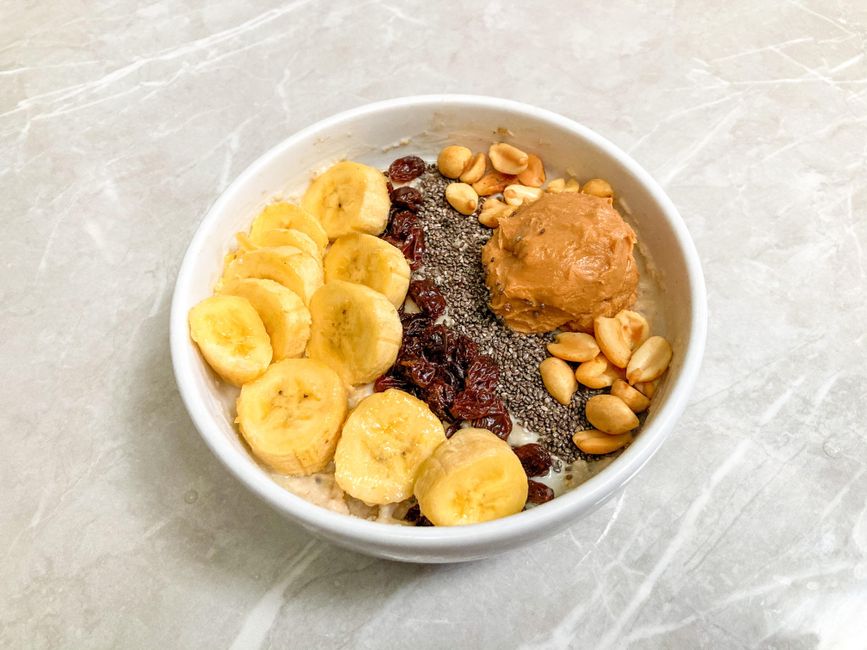
High Protein Oatmeal for Athletes: Fueling Performance and Recovery
Oatmeal, a staple in many diets, gains significant athletic appeal when enhanced with protein. This article explores the synergistic benefits of high-protein oatmeal for athletes, focusing on its role in muscle synthesis, recovery, energy provision, and overall performance enhancement. We will delve into the optimal protein sources, carbohydrate matrix, and micronutrient profiles that make this breakfast a potent performance fuel. The unique combination of complex carbohydrates from oats, providing sustained energy release, and the amino acid profile of added protein makes it a metabolically advantageous meal for individuals engaged in rigorous physical training. Understanding the science behind this dietary strategy allows athletes to optimize their nutritional intake for peak physical output and accelerated recovery cycles.
The foundation of high-protein oatmeal for athletes lies in its dual macronutrient contribution. Oats, primarily a source of complex carbohydrates, deliver a steady and sustained release of glucose into the bloodstream. This is crucial for athletes as it provides a prolonged energy supply, preventing the dreaded mid-workout fatigue and supporting endurance activities. The beta-glucan fiber present in oats also contributes to satiety, helping athletes manage their caloric intake and avoid pre-training hunger pangs. When paired with a high-quality protein source, this carbohydrate matrix becomes a powerful tool for muscle glycogen replenishment post-exercise and a proactive energy reserve pre-exercise. The slow digestion of both oats and protein ensures a consistent supply of fuel, minimizing blood sugar spikes and crashes often associated with simpler carbohydrate sources. This sustained energy release is particularly beneficial for athletes participating in long-duration events or those with multiple training sessions per day, where consistent fuel availability is paramount for maintaining performance levels.
The protein component is where the athletic optimization truly shines. Protein is the fundamental building block of muscle tissue. For athletes, this means muscle repair, growth (hypertrophy), and adaptation in response to training stimuli. Incorporating adequate protein into the pre- or post-workout meal, such as in high-protein oatmeal, directly supports these processes. The essential amino acids, particularly branched-chain amino acids (BCAAs) like leucine, isoleucine, and valine, play a critical role in initiating muscle protein synthesis (MPS). Leucine, in particular, acts as a key signaling molecule that activates the mTOR pathway, a primary regulator of MPS. Consuming protein around training windows maximizes the body’s anabolic potential, facilitating a more efficient and robust muscle repair and growth response. This strategic nutritional timing leverages the body’s heightened sensitivity to anabolic signals post-exercise, ensuring that the consumed protein is effectively directed towards muscle rebuilding. The cumulative effect of consistent high-protein intake, integrated into meals like enhanced oatmeal, contributes significantly to long-term strength gains, power development, and overall athletic capacity.
Several protein sources can be effectively integrated into oatmeal to create a high-protein meal. Whey protein isolate or concentrate is a popular choice due to its rapid absorption rate and complete amino acid profile, making it ideal for post-workout recovery when immediate muscle protein synthesis is desired. Casein protein, on the other hand, is a slower-digesting protein that can provide a sustained release of amino acids over several hours, making it a good option for pre-workout fueling or as part of a meal consumed several hours before training. Plant-based protein powders, such as pea, rice, or hemp protein, are excellent alternatives for vegetarian and vegan athletes, offering comparable benefits in terms of amino acid supply and MPS stimulation, provided they are consumed in combinations that ensure a complete amino acid profile. The choice of protein source will often depend on individual training schedules, dietary preferences, and recovery needs. For instance, an athlete with a demanding training schedule might opt for whey for immediate post-session replenishment, while someone preparing for a longer endurance event might prioritize a blend of fast and slow-digesting proteins for sustained energy and muscle support.
Beyond macronutrients, micronutrient density is a vital consideration for athletes, and high-protein oatmeal can be a vehicle for several essential vitamins and minerals. Oats themselves provide B vitamins, iron, magnesium, and zinc, all of which are critical for energy metabolism, oxygen transport, and immune function. When protein sources are added, the micronutrient profile can be further enhanced. For example, dairy-based proteins contribute calcium and vitamin D, crucial for bone health and muscle function. Eggs, if incorporated into a savory oatmeal preparation, offer choline, selenium, and additional B vitamins. Nuts and seeds, often added for texture and healthy fats, provide magnesium, phosphorus, and antioxidants. This holistic approach to nutrition ensures that athletes are not only meeting their macro-level demands but also providing their bodies with the micronutrient cofactors necessary for optimal physiological processes, thus preventing deficiencies that can hinder performance and recovery.
The preparation methods of high-protein oatmeal can be varied to suit different training phases and dietary goals. For athletes focused on pre-workout energy, a standard preparation with added protein powder and perhaps some fruit for quick energy is ideal. Post-workout, a larger serving size with a robust protein boost and potentially some simple carbohydrates like honey or fruit can accelerate glycogen replenishment and muscle repair. For those managing calorie intake or seeking a more complex meal, incorporating savory elements like cooked eggs, lean meats, or even nutritional yeast can elevate the protein and micronutrient content while providing a different flavor profile and satiety. The versatility of oatmeal allows it to be adapted to a wide range of palates and dietary requirements, ensuring adherence and sustainability for even the most discerning athlete. Experimentation with different liquid bases, such as milk (dairy or plant-based) for added protein and calcium, can also enhance the nutritional value.
The timing of high-protein oatmeal consumption is as important as its composition. Consuming oatmeal 1-3 hours before a training session can provide sustained energy release, ensuring adequate fuel for performance. This pre-exercise meal helps to prime the body for physical exertion by topping off glycogen stores and providing amino acids for immediate use during exercise. Post-exercise, within a 30-60 minute window, is a critical period for nutrient uptake. A high-protein oatmeal consumed during this anabolic window can effectively kickstart muscle protein synthesis and begin the recovery process. For athletes with multiple training sessions per day, mid-day or evening oatmeal can serve as a strategic snack or meal to maintain protein balance and support ongoing recovery and muscle adaptation. The continuous supply of protein throughout the day, facilitated by strategically timed meals like high-protein oatmeal, is essential for maximizing an athlete’s training adaptations.
Optimizing the carbohydrate-to-protein ratio in oatmeal is a key consideration for athletes. While there isn’t a universal "perfect" ratio, a common starting point for muscle gain and recovery is around 2:1 or 3:1 carbohydrate to protein. This ratio can be adjusted based on training intensity, duration, and individual goals. For endurance athletes, a higher carbohydrate component might be beneficial, while athletes focused on hypertrophy might lean towards a slightly higher protein percentage. The complex carbohydrates from oats provide the necessary energy substrate, and the added protein fuels muscle repair and growth. Understanding these ratios allows athletes to tailor their oatmeal to their specific physiological demands and training objectives, thereby maximizing the efficiency of their nutritional strategies. This personalized approach ensures that the oatmeal is not just a meal, but a precisely calibrated performance-enhancing tool.
Beyond the immediate benefits, consistent consumption of high-protein oatmeal can contribute to long-term athletic development and injury prevention. Adequate protein intake is vital for maintaining bone density, which is crucial for weight-bearing sports and reducing the risk of stress fractures. Stronger muscles also provide better joint support, potentially lowering the incidence of sprains and strains. The anti-inflammatory properties of some ingredients, such as certain seeds and fruits, can also aid in managing exercise-induced inflammation, contributing to faster recovery and reduced risk of overuse injuries. By providing a consistent and readily available source of essential nutrients, high-protein oatmeal supports the body’s ability to withstand the stresses of intense training, promoting resilience and longevity in athletic pursuits.
The psychological aspect of nutrition should not be overlooked. A well-planned and delicious meal like high-protein oatmeal can contribute to a positive relationship with food and training. Knowing that their breakfast is actively contributing to their performance and recovery can boost an athlete’s confidence and adherence to their nutrition plan. The versatility in flavor and texture, achievable through different add-ins and preparation methods, ensures that this power breakfast remains appealing and satisfying, preventing dietary fatigue and promoting long-term consistency. This sustained adherence is often the differentiating factor between athletes who achieve their goals and those who fall short.
In summary, high-protein oatmeal is a highly adaptable and potent nutritional strategy for athletes. By combining the sustained energy release of complex carbohydrates from oats with the muscle-building and recovery benefits of various protein sources, athletes can effectively fuel their performance, optimize their recovery, and enhance their long-term athletic development. The micronutrient density, versatility in preparation, and strategic timing of consumption further solidify its position as a cornerstone of an athlete’s dietary plan. Recognizing and leveraging the synergistic power of this seemingly simple breakfast can be a significant advantage in the pursuit of athletic excellence.
