Historic FIFA World Cup 2026 Final to Feature Inaugural Halftime Show with Global Music Icons


The FIFA World Cup 2026 Final is set to transcend traditional sporting spectacles by introducing its first-ever halftime show, a groundbreaking event designed to fuse the passion of football with world-class musical entertainment and global social action. As anticipation builds for the pinnacle of international football, FIFA has begun to unveil crucial details about this unprecedented mid-match performance, promising a truly unforgettable experience for billions of viewers worldwide. Scheduled to take place during the half-time interval of the final match, this initiative marks a significant evolution in how the world’s most watched sporting event engages its audience, drawing parallels to the immensely popular Super Bowl halftime shows while carving out its own unique identity.
The decision to implement a halftime show for the World Cup Final signals a strategic shift for FIFA, aiming to broaden the tournament’s appeal beyond its traditional football fanbase and to tap into wider cultural currents. For decades, the World Cup has captivated audiences with its thrilling matches, dramatic upsets, and ceremonial performances at opening and closing events. However, the mid-game break, traditionally reserved for team strategizing and brief stadium entertainment, has remained largely untapped for a large-scale musical production. This new venture, first announced by FIFA in 2024, reflects an ambition to elevate the World Cup’s status as a comprehensive global entertainment phenomenon, particularly pertinent as the 2026 tournament will be co-hosted by three North American nations—the United States, Canada, and Mexico—a region with a strong tradition of high-production value sports entertainment.
To bring this ambitious vision to life, FIFA has forged a strategic partnership with Global Citizen, an international advocacy organization dedicated to ending extreme poverty. This collaboration underscores the show’s commitment to not only entertain but also to inspire positive social change, aligning the spectacle with Global Citizen’s mission to mobilize action on critical global issues. Further cementing the show’s artistic integrity and global appeal, Chris Martin, the acclaimed frontman of the iconic British band Coldplay, has been entrusted with the pivotal role of artistic curator. Martin’s extensive experience in crafting large-scale, emotionally resonant performances, coupled with Coldplay’s own history of advocating for social causes, positions him uniquely to shape a halftime show that is both musically captivating and socially conscious. His involvement suggests a carefully orchestrated production that will likely blend diverse musical styles with powerful visual narratives, reflecting the World Cup’s global reach and its potential as a platform for unity.
The star-studded lineup assembled for this inaugural halftime show is a testament to its global ambition and the immense cultural impact FIFA aims to achieve. The official roster of performers reads like a who’s who of contemporary music, spanning various genres and continents, ensuring a broad appeal across diverse demographics. Confirmed artists include:
- Madonna: The undisputed "Queen of Pop," whose decades-long career and groundbreaking performances have redefined music and pop culture. Her inclusion signifies a commitment to legendary status and high-octane spectacle.
- Shakira: The Colombian superstar known for her electrifying stage presence, unique blend of Latin and global sounds, and previous World Cup anthems (e.g., "Waka Waka (This Time for Africa)" for 2010). Her return to the World Cup stage is highly anticipated.
- BTS: The globally dominant K-pop sensation from South Korea, whose massive and fervent fanbase, known as ARMY, extends across every continent. Their inclusion highlights the World Cup’s embrace of contemporary global youth culture.
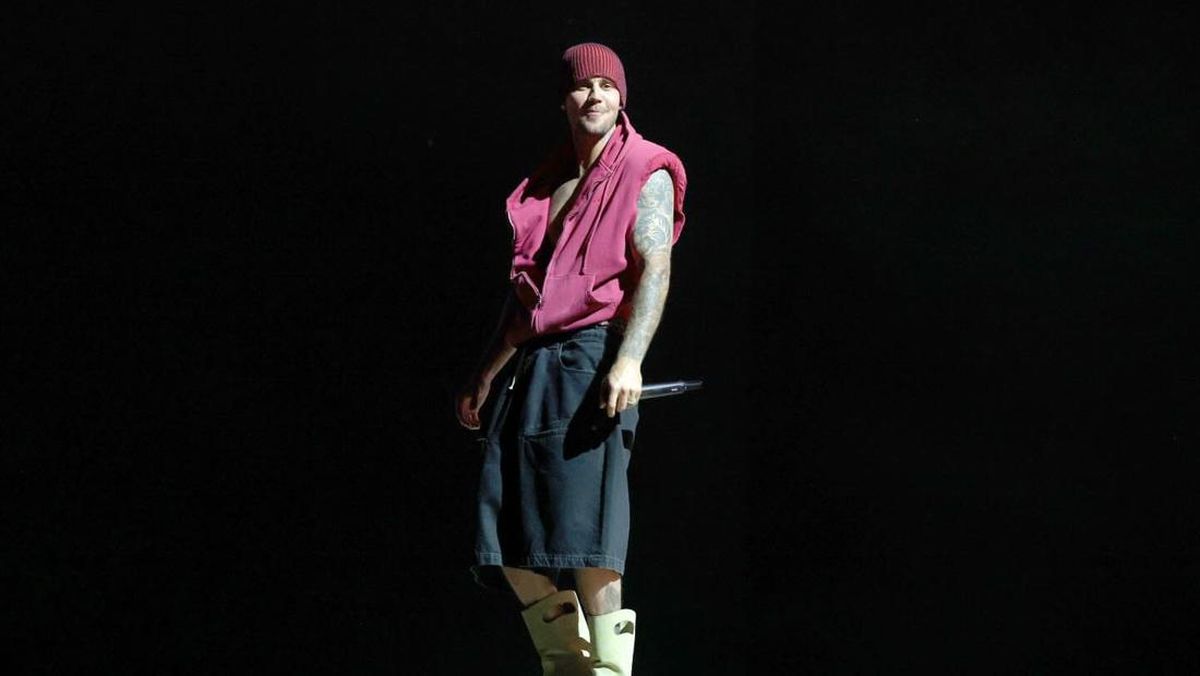
- Justin Bieber: The Canadian pop phenomenon, whose journey from YouTube sensation to global superstar has garnered him immense popularity, particularly among younger audiences. His presence underscores the show’s appeal to a mainstream pop sensibility.
- Burna Boy: The Nigerian Afrobeats trailblazer, who has brought African music to the forefront of the global stage with his distinctive sound and powerful lyrics. His performance will celebrate the vibrant diversity of global music.
- Gustavo Dudamel: The Venezuelan conductor, celebrated for his dynamic interpretations of classical music and his work with youth orchestras worldwide. His inclusion suggests a segment that will bridge classical artistry with the modern pop spectacle, potentially offering a moment of sophisticated grandeur.
- PS22 Chorus with Coldplay: The renowned elementary school chorus from Staten Island, New York, known for their viral performances and heartwarming renditions of popular songs, will join forces with Coldplay. This collaboration, likely curated by Chris Martin himself, promises an uplifting and emotionally resonant segment, potentially emphasizing themes of youth, hope, and collective voice.
Ahead of the final match, glimpses of the intense preparations have already begun to emerge, fueling public excitement. Shakira and Burna Boy, for instance, shared snippets of their rehearsal sessions on social media platforms. These tantalizing teasers offered fans a peek into the elaborate stage designs, intricate choreography, and seamless coordination being perfected for their collaborative performance. While the full setlist remains under wraps, these sneak peeks have offered some insights into what to expect. BTS is reportedly slated to perform their uplifting global hit "Permission to Dance," a track known for its positive message and widespread appeal. Meanwhile, the rehearsal videos from Shakira and Burna Boy strongly suggest a collaborative rendition of their rumored new track, "Dai Dai," promising a high-energy fusion of Latin pop and Afrobeats. The other artists, maintaining an element of surprise, have kept their song selections confidential, building further suspense for their respective performances.
The logistical challenges of staging such a monumental production during a live sporting event are considerable. Unlike dedicated concert venues, football stadiums require rapid stage construction and dismantling within a tight window—typically around 12-15 minutes—to avoid disrupting the flow of the match. This necessitates highly modular stages, advanced projection technologies, and precise choreography not just for the performers but for the entire production crew. The sheer scale of the 2026 World Cup, with matches spread across 16 host cities in three countries, also means that the final venue itself will be equipped with state-of-the-art facilities to handle such a complex show.
The introduction of the halftime show is projected to have far-reaching implications, both for FIFA and for the broader landscape of sports entertainment. Economically, it is expected to significantly boost commercial opportunities, attracting new sponsors eager to associate with a globally televised event featuring such high-caliber talent. The Super Bowl halftime show in the United States consistently commands exorbitant advertising rates, and FIFA’s new initiative aims to replicate this commercial success on an even grander international scale. The 2022 World Cup Final in Qatar, for instance, reportedly garnered a global audience of nearly 1.5 billion viewers, a staggering figure that underscores the unparalleled reach of the tournament. Adding a major musical performance to this already massive platform is likely to further enhance viewership, particularly among demographics who might not typically tune in solely for football. This strategic move could transform the World Cup Final from primarily a sporting contest into a comprehensive cultural event, akin to a global festival where sport, music, art, and social advocacy converge.
Moreover, this initiative sets a new precedent for international sporting events. By integrating a significant musical performance with a strong social message, FIFA is not only enhancing the entertainment value but also leveraging its immense platform for global good. The partnership with Global Citizen ensures that the show will carry themes of unity, sustainability, and human rights, resonating with a global audience and encouraging collective action. Chris Martin’s curatorial approach, blending diverse genres and artists, is expected to create a tapestry of sound that reflects the multicultural fabric of the world, fostering a sense of shared experience and understanding. This innovative blend of entertainment and purpose is designed to leave a lasting impression, long after the final whistle blows and the champion is crowned.
Fan anticipation for this inaugural halftime show is exceptionally high. Social media platforms are abuzz with discussions, predictions, and expressions of excitement from football enthusiasts and music lovers alike. The diverse lineup promises something for everyone, from classic pop to K-pop, Afrobeats, and orchestral grandeur. This blend of established legends and contemporary icons ensures that the show will appeal to multiple generations and cultural backgrounds, uniting them in a shared moment of celebration and entertainment. The 2026 FIFA World Cup Final is poised to be more than just a championship match; it will be a historic cultural milestone, redefined by an unprecedented halftime spectacle that champions both athletic prowess and artistic expression on the world stage. The countdown to this groundbreaking event is officially underway, promising a fusion of sport and spectacle that will be remembered for years to come.