
Homemade Chicken Pot Pies
The Ultimate Guide to Homemade Chicken Pot Pie: From Crust to Creamy Filling
Creating a delicious and satisfying chicken pot pie from scratch is a culinary endeavor that rewards patience and precision with unparalleled comfort food. This article delves into the intricacies of crafting the perfect homemade chicken pot pie, covering everything from achieving flaky crust perfection to developing a rich, flavorful, and creamy filling. We will explore ingredient selection, fundamental techniques, troubleshooting common issues, and offer variations to inspire your culinary creativity. Mastering the art of homemade chicken pot pie is not just about following a recipe; it’s about understanding the science behind each component and how they interact to create a harmonious and deeply comforting dish.
The foundation of any exceptional chicken pot pie is its crust. For a truly homemade experience, eschewing store-bought pastry is paramount. The ideal pie crust is tender, flaky, and golden brown. Achieving this requires the right fat-to-flour ratio and careful handling. All-butter crusts offer superior flavor and a delicate flakiness due to the butter’s high water content, which steams during baking and creates layers. However, a combination of butter and shortening can yield a more robust and easier-to-handle dough, striking a balance between flavor and workability. For a double-crust pie, you’ll need two discs of dough. The dough should be made with ice-cold butter and/or shortening, cut into the flour until it resembles coarse crumbs with some pea-sized pieces of fat remaining. This is crucial for flakiness. The addition of ice water, just enough to bring the dough together, prevents gluten development, which would result in a tough crust. Overmixing is the enemy of tender pastry. Once the dough has formed a cohesive mass, divide it, flatten it into discs, wrap tightly in plastic wrap, and chill for at least 30 minutes, or ideally an hour. This resting period allows the gluten to relax and the fat to firm up, making the dough easier to roll and less prone to shrinking during baking.
Rolling out the pie dough requires a lightly floured surface and a gentle touch. Overworking the dough during rolling can also toughen it. Aim for an even thickness, about 1/8 to 1/4 inch. For the bottom crust, roll out a disc large enough to fit your pie dish with an overhang. Gently transfer it to the dish, pressing it into the bottom and up the sides. Trim the excess dough, leaving about a 1-inch overhang. For the top crust, roll out another disc. This can be a solid sheet or a decorative lattice. If using a solid top crust, cut a few vents in the center to allow steam to escape, preventing a soggy bottom and potential bursting. Before filling the pie, ensure the bottom crust is blind-baked, at least partially. Blind baking involves pre-baking the bottom crust before adding the filling. This is essential for preventing a soggy bottom, especially with a moist filling like chicken pot pie. To blind bake, line the chilled bottom crust with parchment paper or aluminum foil, filling it with pie weights, dried beans, or rice. Bake at a moderate temperature (around 375-400°F or 190-200°C) for 15-20 minutes, or until the edges are lightly golden. Remove the weights and parchment, then return the crust to the oven for another 5-10 minutes to dry out the bottom. Allow it to cool slightly before adding the filling.
The heart of the chicken pot pie is its rich, creamy, and flavorful filling. The star protein, chicken, should be cooked and cooled before dicing or shredding. Poaching or simmering chicken breasts or thighs in seasoned water or broth yields tender, moist chicken. Reserve the cooking liquid; it’s a treasure trove of flavor for the sauce. Common additions to the filling include a medley of vegetables. Diced carrots, celery, and onions (mirepoix) form the aromatic base. Frozen peas and corn are classic additions that cook quickly and add sweetness and texture. Diced potatoes, parboiled until just tender, can also be included for a more substantial pie. Sautéing the mirepoix in butter or oil until softened before adding the other vegetables helps to develop their flavors and meld them into the sauce.
The creamy sauce binds the filling together. A classic béchamel sauce, or a variation thereof, is typically used. This involves a roux – equal parts fat (butter) and flour cooked together – to thicken the liquid. Melt butter in a saucepan over medium heat. Whisk in an equal amount of all-purpose flour to create a smooth paste. Cook the roux for 1-2 minutes, stirring constantly, to cook out the raw flour taste. Gradually whisk in the warm chicken broth and/or milk, a little at a time, ensuring each addition is incorporated before adding more. Continue to cook, stirring, until the sauce thickens to a consistency that coats the back of a spoon. Seasoning is paramount at this stage. Salt and freshly ground black pepper are essential. A pinch of nutmeg complements the creamy sauce beautifully. Herbs like thyme and parsley add herbaceous notes. Some recipes also call for a dash of Worcestershire sauce or Dijon mustard for added depth of flavor. The cooked chicken and vegetables are then folded into this thickened sauce, ensuring everything is evenly coated.
Assembling the pot pie involves carefully spooning the prepared filling into the pre-baked or partially baked bottom crust. Do not overfill, as this can lead to overflow during baking. Place the top crust over the filling. If using a solid top crust, crimp the edges to seal it securely to the bottom crust. If using a lattice, weave the strips over the filling and then crimp the edges. For a golden, shiny finish, an egg wash (one egg beaten with a tablespoon of water or milk) can be brushed over the top crust before baking. This not only enhances the visual appeal but also contributes to a crisper texture.
Baking the chicken pot pie requires careful temperature management to ensure the crust is golden brown and flaky and the filling is heated through and bubbling. A common baking temperature is around 375-400°F (190-200°C). The total baking time will vary depending on the size of the pie and whether the bottom crust was blind-baked. For a standard 9-inch pie, it typically takes 35-45 minutes. If the crust starts to brown too quickly, you can tent the pie loosely with aluminum foil to prevent burning. The pie is ready when the crust is deeply golden brown, and the filling is visibly bubbling through the vents or lattice.
Letting the chicken pot pie rest after baking is a crucial step, often overlooked. Allow the pie to sit for at least 10-15 minutes before slicing. This resting period allows the filling to set slightly, preventing it from running out when you cut into it. It also allows the internal temperature to equalize, ensuring a more enjoyable eating experience.
Troubleshooting common chicken pot pie issues can elevate your homemade pie from good to exceptional. A soggy bottom crust is perhaps the most frequent complaint. As mentioned, blind baking is the primary solution. Ensuring your oven temperature is accurate and avoiding overfilling the pie also contribute to a crispier bottom. A tough crust often stems from overworking the dough or using too much liquid, which develops gluten. Always use cold ingredients and handle the dough minimally. A dry or bland filling can be remedied by ensuring adequate seasoning, using flavorful chicken broth, and not skimping on the aromatics like onions and celery. Adding a tablespoon of butter at the end of cooking the sauce can also contribute to richness. An undercooked filling can be resolved by ensuring the vegetables are tender and the sauce has thickened sufficiently. If the pie is browning too quickly on top, covering it with foil is the immediate solution.
Variations on the classic chicken pot pie offer exciting opportunities for customization. For a heartier pie, consider adding diced sweet potatoes or parsnips to the vegetable medley. For a richer flavor profile, try using heavy cream or a combination of cream and milk in the sauce. Herbed pastry, incorporating fresh or dried herbs like rosemary or thyme directly into the dough, can add another layer of flavor. For a gluten-free option, a homemade gluten-free pie crust made with a blend of alternative flours and a gluten-free pie filling using cornstarch or arrowroot as a thickener can be developed. Mushroom lovers might incorporate sautéed cremini or shiitake mushrooms into the filling for an earthy depth. A touch of white wine added to the sauce while it simmers can also elevate the flavor. For a spicier kick, a pinch of cayenne pepper or a finely diced jalapeño can be added to the vegetable sauté. Even the chicken can be varied; leftover roasted chicken or rotisserie chicken can be used in a pinch, although poaching often yields more tender results for a pie.
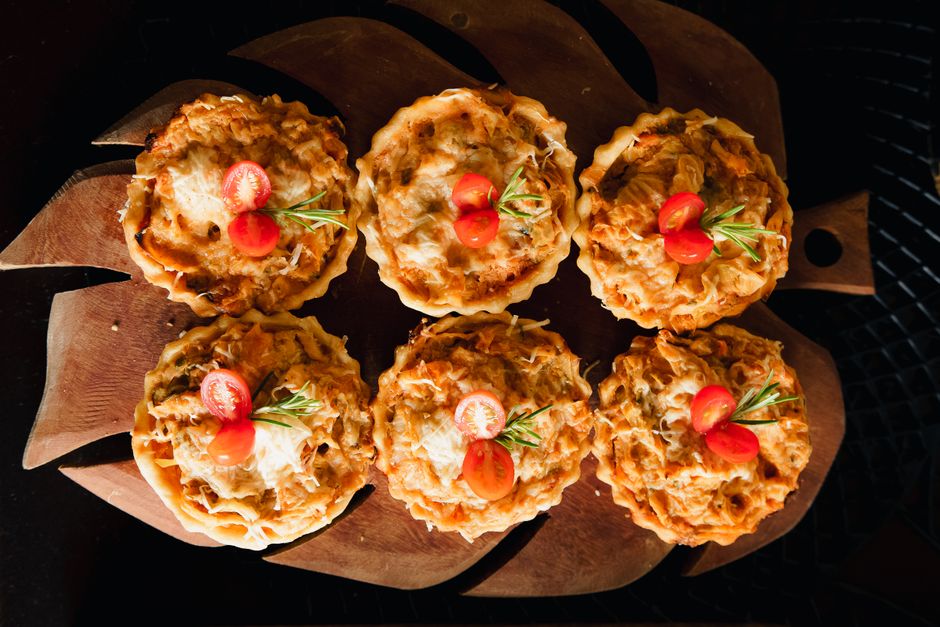
The visual appeal of a homemade chicken pot pie is undeniable. A perfectly crimped crust, a golden-brown finish, and perhaps a few strategically placed herb sprigs can make it a centerpiece dish. The aroma that wafts from the oven as it bakes is an invitation to comfort and warmth. Sharing a homemade chicken pot pie with loved ones creates a memorable culinary experience, embodying the essence of home cooking and heartfelt sustenance. The process, from the meticulous preparation of the crust to the simmering of the creamy filling, is a testament to the rewarding nature of crafting food from scratch. Each element, when executed with care, contributes to a symphony of textures and flavors that define this beloved comfort food classic. Understanding the principles behind each step, from fat distribution in the pastry to emulsification in the sauce, empowers the home cook to consistently produce exceptional results. The versatility of the chicken pot pie allows for endless experimentation, making it a dish that can be adapted to various dietary needs and personal preferences, ensuring its enduring popularity in kitchens worldwide. Mastering this quintessential comfort food not only enriches your culinary repertoire but also provides a deeply satisfying and nourishing meal.
