
Homemade Mac And Cheese
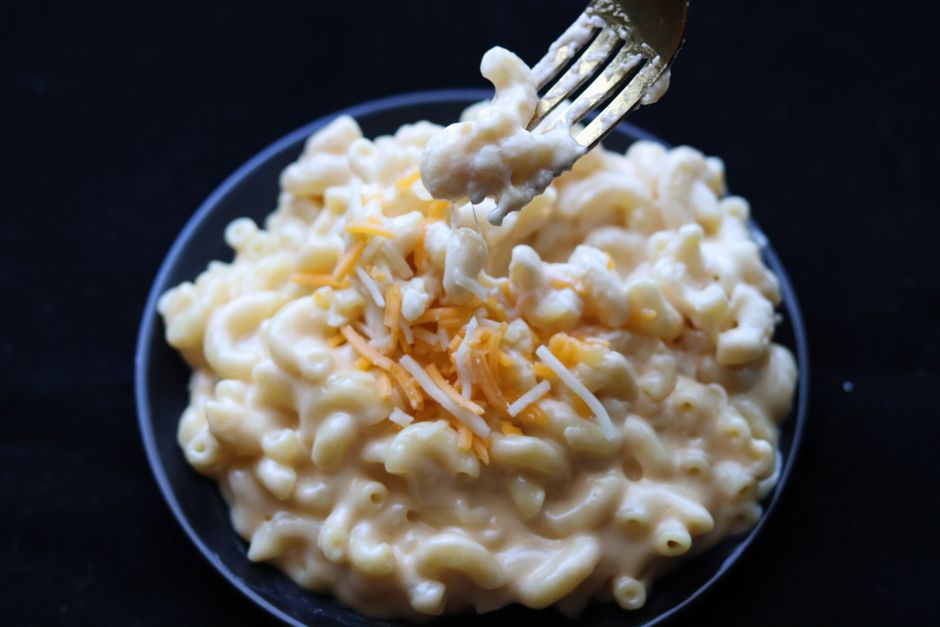
The Ultimate Guide to Irresistible Homemade Mac and Cheese: A Deep Dive into Creamy, Cheesy Perfection
The allure of homemade mac and cheese is undeniable. It’s a dish that evokes comfort, nostalgia, and pure, unadulterated culinary bliss. While boxed varieties offer convenience, they can never replicate the depth of flavor, the luxurious creaminess, or the satisfying textural contrast that a meticulously crafted homemade version delivers. This comprehensive guide will equip you with the knowledge and techniques to elevate your mac and cheese from a simple side dish to a show-stopping, unforgettable meal. We will explore the foundational elements, delve into advanced flavor profiles, discuss pasta choices, and troubleshoot common pitfalls, ensuring your next mac and cheese is nothing short of spectacular.
The Cornerstone of Creaminess: The Bechamel Sauce
At the heart of every great mac and cheese lies a perfectly executed bechamel sauce, also known as a white sauce. This fundamental building block of French cuisine, when adapted for mac and cheese, provides the luscious, velvety base that cradles the pasta and melts the cheese into a harmonious symphony of flavor. The bechamel is created through a two-part process: making a roux and then gradually incorporating a liquid.
The Roux: The Foundation of Flavor and Thickness. A roux is a cooked mixture of equal parts fat and flour. The type of fat used significantly impacts the final flavor. Unsalted butter is the classic and most popular choice for mac and cheese due to its rich, dairy notes. However, for a slightly nuttier undertone, clarified butter or even a high-quality animal fat like bacon fat can be introduced. The flour, typically all-purpose, acts as the thickening agent. The cooking time of the roux dictates its color and, consequently, its flavor profile. A "white roux," cooked for just a minute or two until the raw flour smell dissipates, is ideal for bechamel as it provides thickening power without imparting a strong toasted flavor, allowing the cheese to shine. A "blond roux," cooked a bit longer, will contribute a subtle toasted note, while a "brown roux" would be too deeply flavored for most mac and cheese applications. The ratio of fat to flour is crucial; a 1:1 ratio by weight is standard. For example, 2 tablespoons of butter and 2 tablespoons of flour will yield approximately 1 cup of thickened sauce.
Incorporating the Liquid: Gradual Integration for Smoothness. Once the roux is cooked, the liquid is gradually whisked in. Milk is the traditional liquid for bechamel, and its fat content plays a vital role in the richness and mouthfeel of the sauce. Whole milk is highly recommended for its superior creaminess. For an even more decadent experience, a combination of whole milk and heavy cream can be used, though this can sometimes make the sauce too rich. The key to a lump-free bechamel is to add the liquid slowly while whisking continuously. Start by adding a small amount of milk, whisking until fully incorporated and smooth. Then, gradually add the remaining milk, continuing to whisk vigorously. Heating the milk beforehand can expedite the thickening process and further reduce the risk of lumps. Bring the sauce to a gentle simmer, stirring constantly, until it thickens to your desired consistency. It should coat the back of a spoon without being too thick or too thin.
The Alchemy of Cheese: Selecting and Melting for Maximum Impact
The soul of mac and cheese is, undeniably, the cheese. While a single cheese can be delicious, a carefully curated blend offers a more complex and nuanced flavor profile, as well as superior melting qualities. The goal is to achieve a sauce that is both intensely cheesy and wonderfully smooth, with no greasy separation.
Classic Cheese Choices: The Foundation of Flavor. Cheddar cheese is the undisputed king of mac and cheese. Its sharp, tangy flavor provides a robust foundation. For a well-rounded mac and cheese, a blend of sharp cheddar and medium cheddar is often ideal. Sharp cheddar offers a more intense flavor punch, while medium cheddar contributes a milder, creamier profile. Gruyère is another excellent choice, lending a nutty, slightly sweet, and wonderfully complex flavor with exceptional melting properties. Its high fat content helps create a smooth, unctuous sauce. Fontina, particularly Italian Fontina, melts beautifully and offers a mild, buttery flavor that complements other cheeses. Monterey Jack is a mild, semi-hard cheese that melts exceptionally well and adds a creamy texture.
Beyond the Classics: Elevating Your Cheese Game. For those seeking more adventurous flavors, consider incorporating a touch of smoked Gouda for a hint of smokiness, or a small amount of a sharp, aged Parmesan for an umami boost. A bit of cream cheese can also be added to the sauce for an extra layer of creaminess and a subtle tang. The key is balance. Avoid using cheeses that are too oily or don’t melt well, such as hard, aged cheeses like Parmesan alone (though a small amount is beneficial), or very soft cheeses that can become greasy.
The Art of Melting: Grating and Temperature Control. Always grate your cheese yourself from a block. Pre-shredded cheeses often contain anti-caking agents that can interfere with smooth melting, leading to a grainy or greasy sauce. Use the large holes of a box grater for most cheeses, and consider a microplane for harder cheeses like Parmesan. Add the cheese to the warm (not boiling) bechamel sauce, a handful at a time, stirring constantly until each addition is fully melted before adding the next. This gradual incorporation helps prevent the cheese from clumping or becoming oily. Removing the sauce from direct heat once most of the cheese is incorporated further minimizes the risk of separation.
Pasta Perfection: Choosing the Right Vehicle for Cheese
The pasta in mac and cheese isn’t just a filler; it’s the perfect vehicle for delivering that glorious cheese sauce. The shape of the pasta plays a crucial role in how well it holds and distributes the sauce, and its texture should provide a satisfying bite.
Tube Shapes Reign Supreme: Capturing the Sauce. Tubular pasta shapes are ideal for mac and cheese because their hollow centers and ridges are designed to capture and hold generous amounts of sauce. Elbow macaroni is the quintessential choice, its curved shape perfect for scooping up creamy goodness. Shells, particularly medium shells (conchiglie), are also excellent, their cup-like shape creating little pockets of cheesy delight. Cavatappi, with its corkscrew shape and ridges, is another fantastic option that offers great sauce adhesion. Rotini, with its spiral shape, also provides ample surface area for the sauce.
Beyond the Tubes: Exploring Other Options. While tubes are traditional, other pasta shapes can also work well. Ditalini, a small, short tube, is good for a more uniform distribution of sauce. Even larger shapes like penne can be used, though they might require a slightly looser sauce to ensure they are fully coated. Avoid very thin pastas like vermicelli or angel hair, as they can become mushy and don’t hold sauce as effectively. Rigatoni, with its wider opening and ridges, can also be a great choice.
Cooking Pasta for Mac and Cheese: The Importance of Al Dente. The pasta should be cooked to a perfect al dente, meaning it still has a slight bite to it. It will continue to cook slightly when combined with the hot cheese sauce, so overcooking at this stage will result in mushy pasta. Drain the pasta thoroughly and, for optimal sauce adherence, consider returning it to the warm pot for a moment to allow steam to dissipate before adding the cheese sauce. Some chefs recommend rinsing the pasta briefly with hot water to remove excess starch, which can sometimes lead to a slightly gummy sauce, but this is a matter of personal preference and debate.
Flavor Enhancements and Variations: Beyond the Basic
While a classic mac and cheese is inherently delicious, there are countless ways to elevate its flavor and tailor it to your specific tastes.
Aromatic Foundations: Building Layers of Flavor. Before adding the milk to your roux, consider sautéing some finely minced aromatics in the butter. Shallots or onions, cooked until softened and translucent, add a subtle sweetness and depth. Garlic, minced and cooked until fragrant, is another classic addition. Be careful not to burn the garlic, as it will become bitter.
Herbal Notes: Freshness and Complexity. Fresh herbs can dramatically transform your mac and cheese. Chives, finely chopped, add a mild oniony freshness. Parsley, also finely chopped, offers a bright, herbaceous counterpoint. A pinch of dried thyme or a sprig of fresh rosemary (removed before serving) can impart a more savory, earthy character.
Spice and Heat: A Touch of Zing. For those who enjoy a little kick, a pinch of cayenne pepper or a dash of hot sauce can be added to the bechamel. Smoked paprika not only adds a beautiful reddish hue but also a subtle smoky flavor. A few pinches of red pepper flakes can provide a pleasant warmth.
Umami Boosters: Deeper Savory Flavors. A tablespoon or two of Dijon mustard stirred into the cheese sauce adds a subtle tang and complexity that cuts through the richness. Worcestershire sauce, used sparingly, can contribute a deep, savory umami note.
Toppings and Textures: The Grand Finale. The topping of your mac and cheese is an opportunity to add a delightful textural contrast and an extra layer of flavor.
The Crispy Crown: Breadcrumbs and Beyond. Toasted breadcrumbs are the classic mac and cheese topping, providing a satisfying crunch. Panko breadcrumbs, with their larger flakes, offer a superior crispness. For an even richer topping, mix the breadcrumbs with melted butter, a pinch of salt, and perhaps some grated Parmesan cheese or dried herbs. Other topping options include crushed crackers (like Ritz or saltines), toasted nuts (pecans or walnuts), or even crumbled bacon for an explosion of savory flavor.
Broiling for Perfection: Achieving Golden-Brown Bliss. Once your mac and cheese is assembled in its baking dish, a final broil under the oven’s broiler is often the key to achieving that irresistible golden-brown, bubbly crust. Keep a close eye on it, as broilers can work quickly, and you don’t want to burn the topping.
Troubleshooting Common Mac and Cheese Pitfalls
Even with the best intentions, occasional hiccups can occur. Here are solutions to common mac and cheese problems.
Greasy Sauce: The culprit is usually overcooked cheese or cheese that doesn’t melt well. Ensure you’re adding cheese gradually to a warm, not boiling, sauce and removing it from direct heat once melted. Using lower-fat cheeses or too much oil-rich cheese can also contribute.
Grainy Sauce: This is often due to improperly melted cheese or the use of pre-shredded cheese. Grating your own cheese and melting it slowly and gently is the best remedy.
Lumpy Sauce: Insufficient whisking or adding liquid too quickly to the roux are the primary causes. Whisk vigorously and add liquid gradually. If lumps persist, you can carefully strain the sauce through a fine-mesh sieve.
Watery Sauce: The pasta may have been overcooked, releasing too much starch, or the roux wasn’t cooked enough to thicken effectively. Ensure pasta is al dente and that your roux is properly cooked and thickened.
Mushy Pasta: Overcooking the pasta is the sole reason for this. Cook to al dente and allow for slight carryover cooking in the sauce.
Serving and Enjoying Your Masterpiece
Homemade mac and cheese is a dish best served hot and fresh, allowing its creamy, cheesy goodness to be at its peak. It can be enjoyed as a comforting side dish or as a hearty main course. Garnish with fresh herbs, a sprinkle of paprika, or a drizzle of your favorite hot sauce for an extra touch. Consider pairing it with a crisp green salad or some roasted vegetables to balance the richness.
The journey to perfect homemade mac and cheese is a rewarding one, filled with the exploration of flavors, textures, and techniques. By understanding the fundamentals of the bechamel sauce, mastering the art of cheese selection and melting, choosing the right pasta, and experimenting with flavor enhancements, you can consistently create a dish that will delight your taste buds and leave a lasting impression. So, ditch the box, embrace the craft, and embark on your own delicious adventure in the world of homemade mac and cheese.
