
Iran Journalists Mahsa Amini
Mahsa Amini: The Spark Igniting Iran’s Reckoning with Repression
The tragic death of Mahsa Amini, a 22-year-old Kurdish Iranian woman, in the custody of the Islamic Republic of Iran’s morality police on September 16, 2022, became an international flashpoint, igniting widespread protests and a global reckoning with the pervasive repression faced by women in Iran. Amini’s alleged offense was the improper wearing of her hijab, a mandatory headscarf for women in public spaces under Iranian law. Her death, officially attributed to a heart attack and stroke by Iranian authorities, was met with widespread disbelief and fueled accusations of brutality and violence by the notorious morality police, known as Gasht-e Ershad (Guidance Patrol). This incident, while deeply personal and tragic for her family, tapped into a reservoir of accumulated anger and frustration regarding decades of state-imposed social and political restrictions, particularly targeting women’s autonomy and freedom of expression. The aftermath saw an unprecedented wave of protests, the most significant since the 1979 revolution, demonstrating a profound yearning for fundamental human rights and a rejection of the theocratic regime’s authoritarian grip.
The morality police, established in 2005, have been a visible and often brutal instrument of enforcing the state’s strict interpretation of Islamic law. Their mandate includes policing public behavior, dress codes, and social interactions deemed un-Islamic. Mahsa Amini’s detention, according to eyewitness accounts and reports, involved a violent confrontation with officers who allegedly beat her while forcing her into a police van. Her subsequent collapse at the Vozara Detention Center and swift transfer to Kasra Hospital, where she was pronounced dead, painted a grim picture of mistreatment. The sheer outrage that followed her death was not solely about a dress code violation; it was a culmination of years of simmering resentment against a system that systematically dehumanizes and controls women through legislation and enforcement. The "hijab law" itself, which mandates head coverings, is a potent symbol of this control, reducing women’s visibility and agency to a matter of state compliance. Amini’s story resonated deeply because it was a stark illustration of how seemingly minor infractions, in the eyes of the regime, could lead to devastating consequences for ordinary citizens.
The protests that erupted in the wake of Mahsa Amini’s death transcended ethnic and geographic boundaries within Iran. They began in her hometown of Saqqez in Kurdistan province, where her funeral was met with defiant chants and women removing their headscarves. These demonstrations quickly spread to major cities like Tehran, Isfahan, and Mashhad, gaining momentum and intensity. The slogans used by protesters, most notably "Woman, Life, Freedom" (Zan, Zendegi, Azadi), became a powerful rallying cry, encapsulating the multifaceted demands for liberation from patriarchal oppression, political freedom, and a dignified existence. This was not merely an anti-hijab movement; it was a comprehensive indictment of the entire system of governance that stifles dissent and denies basic human rights. The participation of a broad spectrum of society, including men, students, workers, and various ethnic groups, underscored the widespread discontent and the desire for systemic change. The protests highlighted a generational divide, with younger Iranians, more exposed to global trends and information, less willing to tolerate the restrictions imposed by their elders’ revolution.
The Iranian government’s response to the protests was swift and brutal. Security forces, including the Revolutionary Guard Corps and paramilitary Basij forces, were deployed to quell the demonstrations with excessive force, including live ammunition, tear gas, and batons. The crackdown resulted in a significant number of casualties, with reports of hundreds killed and thousands arrested. Independent media access was severely restricted, making it difficult to independently verify casualty figures and the extent of the government’s violence. Human rights organizations, such as Amnesty International and Iran Human Rights, documented widespread arbitrary arrests, torture, and unfair trials of detainees. The regime also resorted to state propaganda and disinformation campaigns to discredit the protesters, labeling them as foreign-backed agitators and terrorists. This tactic, familiar to authoritarian regimes, aimed to divide public opinion and justify the violent suppression of dissent. The targeting of journalists and media outlets attempting to cover the events further exemplified the regime’s commitment to controlling the narrative.
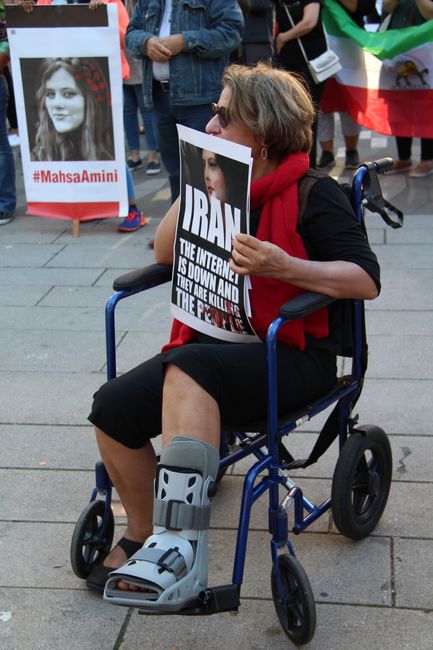
The international community’s reaction to Mahsa Amini’s death and the subsequent crackdown was largely condemnatory. Governments worldwide issued statements expressing their shock and demanding accountability from Iranian authorities. Sanctions were imposed by several countries and blocs, targeting individuals and entities responsible for human rights abuses. United Nations bodies, including the Human Rights Council, launched investigations into the alleged violations. However, the effectiveness of these international pressures in forcing tangible change within Iran remained a subject of debate. While global attention brought increased scrutiny to the Iranian regime, the deeply entrenched nature of its power structures and its willingness to employ extreme measures to maintain control posed significant challenges to external intervention. The protests also galvanized diaspora communities, who organized demonstrations and advocacy campaigns worldwide, amplifying the voices of those inside Iran.
The underlying issues that fueled the Mahsa Amini protests are deeply rooted in the socio-political landscape of the Islamic Republic. The mandatory hijab, while a prominent symbol of oppression, is just one facet of a broader system that restricts women’s rights in areas such as marriage, divorce, child custody, inheritance, and freedom of movement. The legal framework in Iran often discriminates against women, perpetuating their subordinate status. Furthermore, the lack of political freedoms and the suppression of dissent have created an environment where grievances can fester without legitimate avenues for redress. The economic hardships faced by many Iranians, exacerbated by international sanctions and internal mismanagement, also contributed to a general sense of disillusionment and anger, which found an outlet in the protests. The intersection of gender inequality, political repression, and economic distress created a potent cocktail for widespread social unrest.
The role of journalists, both within Iran and reporting from abroad, was crucial in bringing Mahsa Amini’s story and the subsequent protests to the world’s attention. Despite immense risks, Iranian journalists and citizen journalists worked tirelessly to document the events, share eyewitness accounts, and expose the government’s brutality. Many faced arrest, interrogation, and harassment for their reporting. The silencing of independent voices is a hallmark of authoritarian regimes, and the Iranian government actively sought to control the flow of information. However, the pervasive use of social media, despite government attempts at censorship and internet shutdowns, allowed for the rapid dissemination of information and images from the protests. This digital activism played a significant role in circumventing state media control and fostering a sense of solidarity among Iranians and with international observers. The stories of courageous journalists, often working under extreme duress, are an integral part of the narrative of Mahsa Amini and the broader struggle for freedom in Iran.
The legacy of Mahsa Amini is inextricably linked to the ongoing struggle for human rights and democratic reform in Iran. Her death served as a catalyst, a potent symbol that galvanized a generation and brought the country’s deep-seated grievances to the forefront of global discourse. The protests, while met with brutal suppression, have undoubtedly left an indelible mark on Iranian society. They have exposed the fragility of the regime’s authority and demonstrated the resilience and unwavering spirit of its people, particularly women, in demanding fundamental freedoms. The "Woman, Life, Freedom" movement has become a powerful testament to the interconnectedness of women’s rights and broader societal liberation. While the path to meaningful change remains fraught with challenges, the events sparked by Mahsa Amini’s tragic death have ignited a flame of resistance that continues to burn, fueling hopes for a future where basic human dignity and freedom are not merely aspirations but lived realities for all Iranians. The global focus on Iran’s human rights record, amplified by the bravery of journalists and activists, offers a beacon of hope in a long and arduous struggle.
