
Irish Bacon And Cabbage Soup
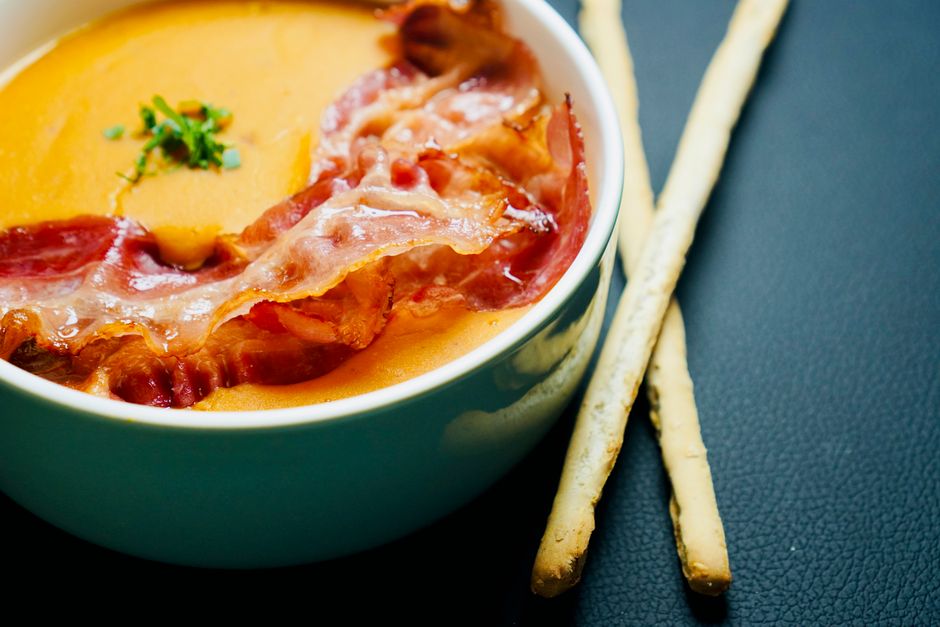
Irish Bacon and Cabbage Soup: A Hearty and Wholesome Culinary Classic
Irish Bacon and Cabbage Soup, a dish steeped in tradition and celebrated for its comforting simplicity, stands as a cornerstone of Irish cuisine. This hearty, flavorful soup is far more than just sustenance; it’s a culinary embodiment of Irish heritage, reflecting a history of resourceful cooking and the bounty of the land. While often perceived as a humble peasant dish, its execution can yield a surprisingly complex and deeply satisfying flavor profile. The core components, Irish bacon (more accurately, back bacon or rashers) and cabbage, are elevated through slow simmering with other essential aromatics, creating a soup that is both nourishing and incredibly delicious. This article will delve into the intricate details of crafting authentic Irish Bacon and Cabbage Soup, exploring ingredient selection, preparation techniques, variations, and its significant cultural relevance. Understanding these elements will equip any home cook with the knowledge to recreate this iconic Irish meal, ensuring its rich heritage continues to be savored.
The foundational elements of Irish Bacon and Cabbage Soup are crucial for achieving its characteristic flavor and texture. The choice of Irish bacon, often referred to as rashers or back bacon, is paramount. Unlike American streaky bacon, Irish bacon is primarily lean meat with a thinner strip of fat, offering a less greasy but still flavorful foundation. Cured, smoked, and sometimes unsmoked varieties are available, with smoked typically lending a deeper, more robust flavor. For an authentic taste, opting for a good quality Irish-style back bacon is recommended. The curing process imparts a subtle saltiness that becomes integral to the soup’s overall seasoning. Cabbage, the other star ingredient, should ideally be a firm, fresh head, such as a standard green cabbage. The outer leaves are typically removed, and the cabbage is then shredded or roughly chopped. The texture of the cabbage is important; it should soften during cooking but retain some integrity, offering a pleasant chew. Overcooked cabbage can become mushy and lose its distinctiveness. The type of cabbage also influences the final outcome; while green cabbage is traditional, savoy cabbage can introduce a slightly more nuanced sweetness and a delicate texture.
Beyond the titular ingredients, a carefully chosen set of aromatics forms the backbone of this soup’s flavor. Onions, carrots, and celery, collectively known as a mirepoix, are indispensable. These vegetables, when sautéed gently, release their inherent sweetness and savory notes, forming a foundational flavor layer. Yellow or white onions are typically used, providing a mild sweetness. Carrots contribute earthy sweetness and vibrant color, while celery adds a subtle herbaceous complexity and a slight bitterness that balances the richness of the bacon. Garlic, though not always explicitly listed in the most traditional recipes, is a welcome addition for many, deepening the savory profile. Potatoes are another common and highly beneficial addition. Starchy varieties like Maris Piper or Russets are ideal, as they break down slightly during cooking, thickening the soup naturally and adding a creamy, satisfying element. Some recipes may even reserve a few potato pieces to be mashed against the side of the pot, further enhancing the soup’s body.
The broth or liquid base is critical for melding the flavors together. A good quality chicken or vegetable stock is usually employed. Chicken stock, in particular, complements the savory notes of the bacon and vegetables beautifully. For a lighter option, vegetable stock can be used, allowing the inherent flavors of the other ingredients to shine more prominently. Water can be used in a pinch, but it will result in a less developed flavor profile, as it lacks the depth of stock. Some cooks advocate for using the water the bacon is initially boiled in as part of the soup’s liquid base, believing it captures some of the bacon’s rendered flavor and salt. This method, however, requires careful consideration of the saltiness of the bacon to avoid an overly seasoned soup.
The cooking process for Irish Bacon and Cabbage Soup is one of patient simmering, allowing the flavors to meld and deepen. The initial step typically involves cooking the bacon. This can be done by simmering the bacon in water for a period to remove some of its saltiness and render some fat, or it can be directly added to the pot to build flavor from the start. Once the bacon is prepared, it’s usually removed and chopped into bite-sized pieces, reserving some of the cooking liquid if desired. The rendered fat from the bacon, or a small amount of butter or oil if less fat is rendered, is then used to sauté the diced onions, carrots, and celery until softened. This gentle sautéing process, known as sweating the vegetables, is essential for drawing out their sweetness. Once the aromatics are softened, the chopped cabbage and potatoes are added, along with the stock and the cooked bacon. The soup is then brought to a simmer, covered, and left to cook for at least 30-45 minutes, or until the vegetables are tender and the flavors have harmonized. Seasoning, particularly with salt and freshly ground black pepper, is done judiciously towards the end of the cooking process, taking into account the saltiness of the bacon.
Variations of Irish Bacon and Cabbage Soup abound, reflecting regional differences and individual preferences. Some recipes incorporate leeks for a more delicate onion flavor. Others might include a bay leaf or a sprig of thyme for added aromatic complexity. For a heartier, more substantial meal, some cooks will add pearl barley or oats to the soup, which absorb liquid and contribute to a thicker, more porridge-like consistency. A dash of cream or milk at the end of cooking can add a luxurious richness, transforming the soup into a more decadent version. For those seeking a spicier kick, a pinch of red pepper flakes can be introduced during the sautéing stage. Some modern interpretations might even feature smoked paprika for an added layer of smoky depth. While these variations offer interesting twists, the core essence of bacon, cabbage, and root vegetables remains the unifying element.
The nutritional profile of Irish Bacon and Cabbage Soup is surprisingly robust. It’s a good source of protein from the bacon, dietary fiber from the cabbage and potatoes, and essential vitamins and minerals from the various vegetables. The lean nature of good quality Irish bacon contributes protein without excessive saturated fat. Cabbage is rich in Vitamin C and K, as well as antioxidants. Potatoes provide potassium and carbohydrates for energy. When prepared with lean bacon and ample vegetables, this soup can be a wholesome and satisfying meal. It’s a testament to how simple, wholesome ingredients can combine to create a nutritionally sound dish.
Serving Irish Bacon and Cabbage Soup is traditionally a humble affair, often accompanied by crusty bread for dipping. A dollop of freshly chopped parsley can add a burst of freshness and color. Some may prefer a side of buttered soda bread, another Irish staple, to complement the hearty flavors of the soup. The soup’s comforting nature makes it an ideal meal for cooler weather, but its appeal transcends seasons. It’s a dish that evokes warmth, family, and the comforting familiarity of home. The aroma alone is enough to transport diners to a cozy Irish kitchen.
The cultural significance of Irish Bacon and Cabbage Soup cannot be overstated. It represents a connection to Ireland’s agricultural past and a tradition of utilizing readily available ingredients to create nourishing meals. For generations, it was a staple in Irish households, particularly during times of scarcity, showcasing the resourcefulness of Irish cooks. Its ubiquity has led to it being recognized as an unofficial national dish. It is a dish that is prepared and enjoyed with a sense of pride and nostalgia, a tangible link to Irish heritage. The simplicity of its ingredients belies the depth of its cultural importance, serving as a reminder of the enduring power of traditional foodways. It embodies the Irish spirit of making the most of what is available, transforming humble ingredients into something truly special.
From a search engine optimization (SEO) perspective, the inclusion of keywords like "Irish bacon and cabbage soup," "traditional Irish soup," "hearty soup recipe," "cabbage and bacon stew," "Irish comfort food," and "easy Irish recipe" is vital. The article is structured to provide comprehensive information, addressing common queries and offering valuable insights for those searching for this specific dish. The detailed explanation of ingredients, preparation, and variations ensures that the content is rich and informative, attracting a wider audience. The focus on authenticity and cultural relevance also appeals to users seeking genuine culinary experiences. Furthermore, the inherent popularity of Irish cuisine and comfort food ensures a consistent search interest for this topic. By detailing the components and cooking methods, the article also caters to users looking for specific instructions and tips, thereby enhancing its SEO performance. The emphasis on keywords naturally integrated within the text, such as "back bacon," "rashers," "mirepoix," and "simmering," further refines the searchability for users with specific culinary vocabulary. The discussion on nutritional aspects and serving suggestions also broadens the appeal and relevance, attracting users interested in the broader context of the dish. Ultimately, the article aims to be a definitive resource for anyone seeking to understand and create Irish Bacon and Cabbage Soup, making it highly discoverable and valuable.
