
Iron Skillet Apple Pie 2
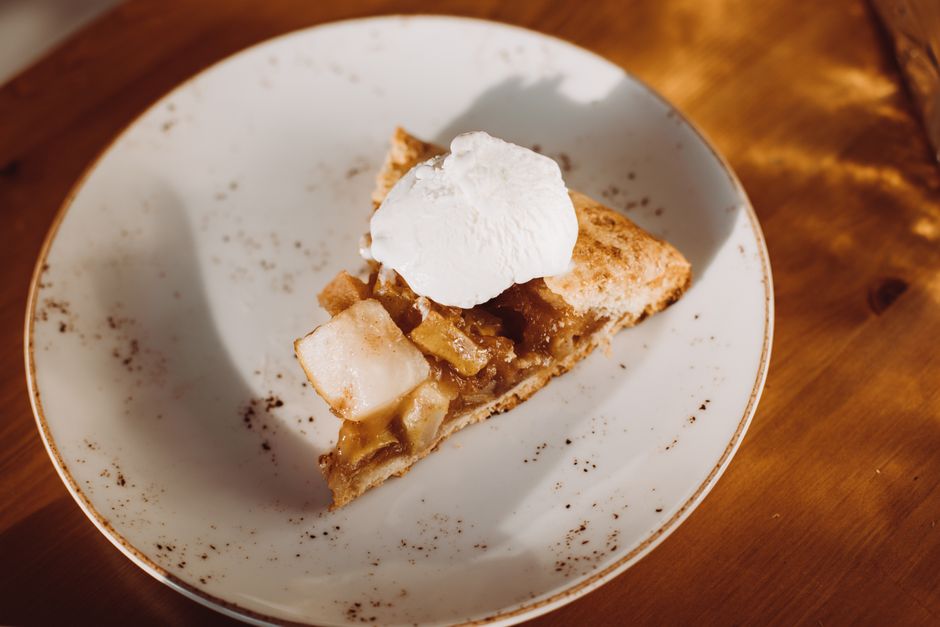
The Ultimate Cast Iron Skillet Apple Pie: A Deep Dive into Recipe, Technique, and Perfect Execution
Achieving the perfect apple pie is a culinary quest, and when it enters the realm of cast iron skillets, it transcends mere dessert to become an edible artifact. This comprehensive guide unpacks the nuances of crafting a superior iron skillet apple pie, focusing on ingredient selection, crust mastery, apple preparation, baking techniques, and the unique advantages cast iron brings to this classic. We will delve into the science behind achieving that coveted crisp crust, the ideal balance of sweet and tart in the filling, and how the inherent properties of cast iron elevate the entire experience, from even heat distribution to that signature rustic presentation. This isn’t just a recipe; it’s a masterclass designed to equip home bakers with the knowledge and confidence to produce an apple pie that is nothing short of exceptional, year after year.
The foundation of any great apple pie lies in its crust, and the cast iron skillet demands a crust that is both robust enough to hold its shape and delicate enough to yield to the fork. For this application, a double-crust pie is often preferred, with the bottom crust fully encasing the apples and the top crust providing a decorative and protective layer. The key to a flaky, tender crust is the fat. Utilizing a combination of cold butter and shortening is a common and effective strategy. Butter provides unparalleled flavor, while shortening contributes to superior flakiness due to its higher melting point and molecular structure, preventing the gluten strands from overdeveloping. The fat must be kept as cold as possible throughout the mixing process. This is achieved by chilling the flour, butter, and shortening beforehand, and by using ice water. The ice water should be added incrementally, just enough to bring the dough together. Overworking the dough will develop too much gluten, resulting in a tough crust. The dough should be handled minimally, just enough to form a cohesive ball. After mixing, the dough should be divided, flattened into discs, wrapped in plastic wrap, and refrigerated for at least 30 minutes, or preferably longer, to allow the gluten to relax and the fat to firm up. This chilling period is crucial for achieving that signature flaky texture. When rolling out the dough, a light dusting of flour on the work surface and rolling pin is sufficient; excessive flour will dry out the dough.
The choice of apples significantly impacts the flavor and texture of the filling. A blend of apple varieties is recommended to achieve a complex flavor profile and a pleasing textural contrast. Some apples hold their shape better during baking, while others break down and create a more sauce-like consistency. For a cast iron skillet apple pie, a good starting point includes firmer, tarter apples like Granny Smith, Honeycrisp, or Braeburn. These varieties offer a bright acidity that cuts through the sweetness of the sugar and spices. To complement these, incorporating softer, sweeter apples such as Fuji, Gala, or Golden Delicious can add a richer flavor and a slightly softer texture to the filling. The apples should be peeled, cored, and sliced uniformly. Aim for slices that are approximately ¼ to ½ inch thick. Too thin, and they will become mushy; too thick, and they may not cook through evenly. Before assembling the pie, the sliced apples should be tossed with granulated sugar, brown sugar (for added depth of flavor and moisture retention), a thickener, and spices. Cornstarch or flour are common thickeners, with cornstarch generally producing a clearer, more gelatinous filling. Tapioca starch is another excellent option, offering a smooth, translucent finish. The ratio of sugar to apples should be adjusted based on the tartness of the chosen apple varieties. A general guideline is about ½ to ¾ cup of sugar per pound of apples.
The spices are the soul of apple pie. While cinnamon is the undisputed king, other spices can elevate the flavor profile considerably. A blend of cinnamon, nutmeg, and a pinch of allspice or ground cloves creates a warm, aromatic filling. Some bakers even incorporate a touch of cardamom for a more nuanced flavor. Lemon juice is an essential addition, not only for its bright citrus flavor that complements the apples but also for its ability to prevent browning and to help the apples soften during baking. A tablespoon or two of fresh lemon juice is typically sufficient. A small amount of salt is also crucial, as it enhances the sweetness and balances the flavors. For a truly decadent filling, a tablespoon or two of unsalted butter, dotted over the apple mixture before the top crust is added, adds richness and a glossy finish. Some recipes also call for a splash of vanilla extract, which adds another layer of complexity.
The cast iron skillet itself plays a pivotal role in the success of this pie. Its exceptional heat retention and distribution are unmatched by other bakeware. This ensures that the bottom crust browns beautifully and evenly, a common challenge with traditional pie plates. For an apple pie, a 9 or 10-inch cast iron skillet is ideal. Before adding the pie, the skillet should be preheated in the oven. This initial heat is crucial for creating a crisp bottom crust from the moment the pie enters the oven. When assembling the pie, the bottom crust is carefully placed into the preheated skillet, pressing it gently into the contours of the pan. Excess dough can be trimmed, leaving a small overhang. The apple filling is then mounded into the crust, creating a slightly domed shape, as the apples will shrink during baking. The top crust can be a solid sheet, vented with slits, or a lattice design. The edges of the top and bottom crusts are then crimped together to seal the pie. An egg wash, made from a beaten egg with a tablespoon of water or milk, brushed over the top crust, provides a beautiful golden-brown sheen and helps the decorative sugar (if used) adhere.
The baking process for an iron skillet apple pie requires careful attention to temperature and time. The oven should be preheated to a relatively high temperature, typically between 400°F and 425°F, for the initial 15-20 minutes. This intense heat is vital for setting the crust and initiating the browning process. After this initial blast of heat, the oven temperature should be reduced to around 375°F to allow the filling to cook through without burning the crust. Baking time will vary depending on the oven and the thickness of the filling, but generally, it will take between 45 to 60 minutes. The pie is done when the crust is deeply golden brown and the filling is bubbling vigorously through the vents. To prevent the edges of the crust from over-browning, especially the vulnerable bottom crust in the cast iron skillet, it’s often advisable to shield the edges with aluminum foil or a pie crust shield during the latter half of baking. Monitoring the pie throughout the baking process is essential. If the filling isn’t bubbling sufficiently but the crust is browning too rapidly, a loose tent of foil over the entire pie can be used.
Cooling is a critical, often overlooked, step in achieving the perfect apple pie. While the temptation to slice into a warm, bubbling pie is immense, allowing it to cool properly is paramount for the filling to set. If sliced too soon, the filling will be runny and will ooze out. The pie should be cooled on a wire rack for at least 2-3 hours, or even longer, to allow the juices to thicken and the flavors to meld. The cast iron skillet, with its superior heat retention, will continue to cook the pie even after it’s removed from the oven, so patience is key. The rustic presentation of an apple pie baked in a cast iron skillet is part of its charm. The dark, well-seasoned skillet provides a dramatic contrast to the golden crust and the bubbling filling. Serving the pie directly from the skillet adds to its appeal and reinforces its artisanal quality.
The SEO benefits of focusing on "iron skillet apple pie" are numerous. This specific search term is highly targeted, attracting users who are not just looking for any apple pie recipe but are specifically interested in the unique attributes of cast iron. Keywords like "cast iron apple pie recipe," "best apple pie in cast iron," "how to bake apple pie in skillet," and "crispy crust apple pie" should be incorporated naturally throughout the content. The detailed explanation of ingredients, techniques, and the science behind successful baking will appeal to those seeking in-depth information. Highlighting the advantages of cast iron, such as even heat distribution and superior browning, further refines the target audience and provides valuable selling points.
Beyond the core recipe, exploring variations can further enhance the article’s appeal and SEO. Consider discussing different spice blends, such as adding a touch of ginger or cardamom. Another variation could be the inclusion of other fruits, like cranberries or pears, alongside the apples. A crumble topping made with oats, flour, butter, and sugar can be a delicious alternative to a double crust, offering a different textural experience. For those seeking a less traditional approach, a savory twist could be explored, perhaps with a hint of rosemary or thyme in the filling, though this would move beyond the classic "apple pie" moniker.
The inherent durability and longevity of cast iron cookware also contribute to its appeal. A well-maintained cast iron skillet can last for generations, becoming a treasured heirloom. This sense of tradition and enduring quality resonates with consumers looking for sustainable and timeless kitchen tools. The connection between cast iron cooking and a sense of wholesome, homespun tradition is undeniable, making the "iron skillet apple pie" a particularly appealing subject for SEO targeting.
Ultimately, the pursuit of the perfect iron skillet apple pie is a rewarding culinary journey. It combines the comfort of a beloved classic with the unique advantages of a time-tested cooking vessel. By understanding the interplay of ingredients, technique, and the remarkable properties of cast iron, bakers can consistently produce a dessert that is not only visually stunning but also a triumph of flavor and texture. This detailed exploration aims to demystify the process, empowering home cooks to confidently create their own masterpiece, ensuring that every slice is a testament to the enduring appeal of a truly exceptional apple pie.
