
Israel Military Gaza Ruins
Israel Military Operations in Gaza: A Landscape of Devastation
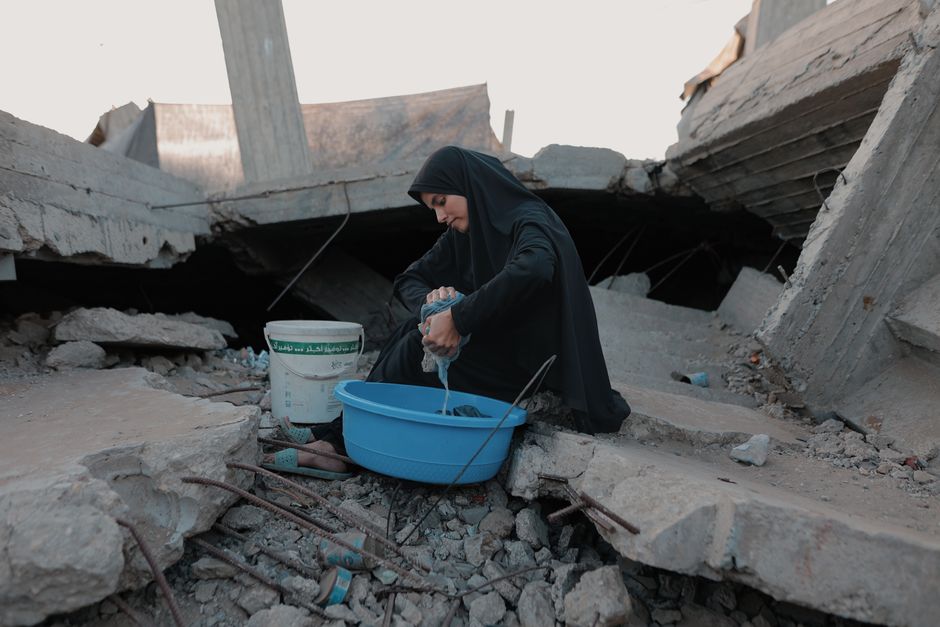
The recurrent cycles of conflict between Israel and Hamas have left an indelible mark on the Gaza Strip, transforming its urban fabric into a scene of widespread destruction. Military operations, characterized by aerial bombardments, ground incursions, and artillery fire, have systematically targeted infrastructure, residential areas, and civilian facilities. The sheer scale of destruction is a stark visual testament to the intensity and prolonged nature of these engagements. Buildings, once housing families and businesses, are reduced to rubble, their skeletal remains a haunting presence against the sky. Streets that once bustled with life are now choked with debris, impassable and dangerous. This landscape of ruins is not merely a physical manifestation of conflict; it represents a profound human tragedy, displacing hundreds of thousands, disrupting essential services, and creating a humanitarian crisis that continues to deepen with each escalation. The long-term implications for Gaza’s reconstruction, economic recovery, and the well-being of its inhabitants are immense and deeply concerning, posing significant challenges for both the local population and international aid efforts.
The destruction in Gaza is not a uniform phenomenon; its intensity varies significantly depending on the specific military operation and the areas targeted. During periods of intense fighting, such as the 2014 Gaza War or the 2021 escalation, entire neighborhoods have been subjected to devastating bombardments. Areas heavily populated by civilians, often in close proximity to alleged Hamas infrastructure, have borne the brunt of Israeli military actions. This has led to the widespread collapse of residential buildings, schools, hospitals, and mosques. The systematic nature of the destruction, while often attributed by Israeli authorities to Hamas’s operational tactics of embedding military assets within civilian areas, has undeniably resulted in a catastrophic impact on the civilian population. Reports from international organizations like the United Nations and various human rights groups consistently document the extensive damage to civilian infrastructure, highlighting the immense humanitarian cost of these military engagements. The indiscriminate nature of some strikes, even if unintentional, contributes to the pervasive sense of vulnerability and insecurity among the Gazan populace.
The Israeli military justifies its operations in Gaza by citing the need to dismantle Hamas’s military capabilities, prevent rocket attacks on Israeli territory, and neutralize perceived threats. They often assert that Hamas deliberately operates from within densely populated civilian areas, using civilian infrastructure as shields for its military operations. This strategy, termed "human shielding" by Israeli officials, is a central tenet of their justification for the extensive damage caused. The Israeli Defense Forces (IDF) claim to employ measures to minimize civilian casualties, such as issuing warnings before strikes and employing precision munitions. However, the sheer scale of destruction and the high number of civilian casualties frequently documented by independent observers raise serious questions about the effectiveness and adherence to international humanitarian law of these measures. The IDF’s operational doctrines, which often prioritize the elimination of threats with a broad application of force, have demonstrably led to widespread collateral damage. The ongoing debate revolves around the proportionality of the force used and whether all feasible precautions were taken to avoid or minimize harm to civilians and civilian objects, as mandated by international humanitarian law.
The ruins in Gaza are not merely isolated incidents of damage; they represent a systemic breakdown of urban functionality and infrastructure. Beyond residential buildings, critical public services have been severely impacted. Water and sanitation systems, already fragile due to years of blockade and previous conflicts, have been further degraded, leading to widespread contamination and health risks. Electrical grids have been repeatedly targeted, plunging large sections of the Strip into prolonged darkness and crippling businesses, hospitals, and homes. Healthcare facilities, including hospitals and clinics, have not been spared, with many sustaining significant damage or complete destruction, further incapacitating the already strained medical system. Schools have also been hit, disrupting education for generations of Gazan children and perpetuating cycles of disadvantage. The collapse of this vital infrastructure has a cascading effect, exacerbating poverty, hindering economic development, and creating a dependence on external humanitarian aid that is often insufficient to meet the overwhelming needs.
The economic consequences of the destruction are profound and far-reaching. Gaza’s economy, already struggling under a protracted blockade imposed by Israel and Egypt, has been severely crippled by repeated military operations. The destruction of factories, businesses, and agricultural land has led to mass unemployment and a sharp decline in economic output. Reconstruction efforts are consistently hampered by a lack of resources, materials, and access, further perpetuating a cycle of dependency and underdevelopment. The rubble itself represents lost investment, destroyed livelihoods, and a lost potential for economic growth. The rebuilding process, when it can even begin, is a monumental undertaking, requiring immense financial investment and a stable environment that is often absent. The long-term economic viability of Gaza remains in question, inextricably linked to the cessation of hostilities and a lifting of the blockade.
The human cost of these ruins extends far beyond the physical damage. The psychological impact on the civilian population, particularly children, is immense. Witnessing destruction, experiencing loss, and living in constant fear have led to widespread trauma, anxiety, and depression. The displacement of hundreds of thousands of people, forcing them to live in overcrowded shelters or temporary accommodations, further exacerbates their suffering. Families are torn apart, communities are fractured, and the social fabric of Gaza is under immense strain. The loss of homes, livelihoods, and loved ones creates deep-seated resentment and a sense of hopelessness, fueling a cycle of anger and despair. This intangible damage, though harder to quantify, is arguably as devastating as the physical destruction, leaving scars that will take generations to heal.
The international community has largely condemned the destruction in Gaza and called for accountability and adherence to international law. Numerous reports by UN agencies, human rights organizations, and international observers have documented the extensive damage and civilian casualties, often raising concerns about potential war crimes. Calls for independent investigations into specific incidents of destruction and alleged violations of international humanitarian law have been made repeatedly. However, the political complexities of the Israeli-Palestinian conflict, coupled with the veto power held by some permanent members of the UN Security Council, have often hindered decisive international action or accountability mechanisms. The recurring nature of the conflict and the ongoing destruction underscore the limitations of international efforts to enforce peace and protect civilians in this volatile region.
Reconstruction efforts in Gaza are a continuous struggle against formidable obstacles. The sheer volume of debris, estimated in millions of tons, requires extensive clearing operations. The availability of construction materials is often limited due to import restrictions imposed by Israel and Egypt as part of the blockade, ostensibly for security reasons. The constant threat of renewed conflict means that any progress made in rebuilding can be quickly undone, discouraging long-term investment and planning. International aid, while crucial, is often insufficient to meet the immense needs and is subject to political considerations and security checks. The fragmented political landscape within Gaza, with the Palestinian Authority’s limited control and Hamas’s dominance, also complicates reconstruction efforts and the equitable distribution of resources.
The narrative surrounding the destruction in Gaza is deeply contested. Israeli officials emphasize their right to self-defense and highlight the deliberate targeting of civilian areas by Hamas. They often point to the sophistication of Hamas’s tunnel network and rocket infrastructure, arguing that their military operations are necessary to neutralize these threats. Conversely, Palestinian sources and international critics accuse Israel of collective punishment and disproportionate use of force, emphasizing the devastating impact on the civilian population and the destruction of essential infrastructure. The differing perspectives and narratives contribute to the ongoing impasse and the difficulty in finding lasting solutions. Understanding the complexities of both sides’ justifications and the realities on the ground is crucial for any comprehensive analysis of the situation.
The physical ruins of Gaza serve as a stark and enduring symbol of the ongoing conflict and its devastating consequences. The scale of destruction, the disruption of essential services, the economic devastation, and the profound human and psychological toll paint a grim picture of life in the Strip. The long-term implications for Gaza’s future, including its potential for recovery and the well-being of its inhabitants, remain deeply uncertain. The international community faces a persistent challenge in addressing the humanitarian crisis, promoting accountability, and working towards a sustainable peace that would prevent further cycles of destruction. The landscape of ruins is a constant reminder of the human cost of unresolved conflict and the urgent need for a political solution that prioritizes civilian protection and long-term stability. The ongoing cycles of violence have created an environment where the very foundations of society are constantly under threat, making any notion of normalcy or sustainable development an elusive aspiration for the people of Gaza. The international community’s role in brokering peace, providing consistent humanitarian aid, and ensuring accountability for violations of international law remains paramount in the face of this ongoing crisis.
