Manda Cello Kaki Lemas Usai ‘Ngebut’ di Mandalika, Paksa Mama Izinkan Balap Mobil


Lombok, Indonesia – In a high-octane display of determination and passion, acclaimed actress and singer Manda Cello recently traded the glitz of the entertainment industry for the thrilling roar of an engine at the prestigious Mandalika International Circuit. The celebrity, known for her roles in films such as "Eyang Kubur" and her hit single "Sampe Puas," made headlines on Saturday, May 23, 2026, after successfully navigating the challenging bends and straights of the world-class racing facility in Lombok, West Nusa Tenggara. This daring venture marked the realization of a deeply personal and long-cherished childhood dream, a pursuit she had previously put on hold due to initial parental reservations. Her audacious leap into the world of motorsports was not a solitary endeavor; she was meticulously guided by none other than national racing icon Yasuo Senna Iriawan, whose expert tutelage ensured a safe yet exhilarating experience on the professional track.
The Genesis of a Lifelong Dream
Born on December 16, Manda Cello’s journey into the fast lane began far from the glamorous sets and recording studios where she typically thrives. From a tender age, she harbored an fervent aspiration to become a professional racer, an ambition that defied conventional expectations for a young girl in Indonesia. "It has always been a dream of mine to become a motorcycle or car racer," Manda Cello revealed in an exclusive statement to the media on the aforementioned Saturday. However, this early passion encountered a significant hurdle: parental disapproval. Her mother, like many parents, envisioned a safer, perhaps more traditionally feminine path for her daughter, leading to the dream being temporarily shelved.
The entertainment industry, however, provided a different kind of adrenaline. Manda Cello quickly rose to prominence, captivating audiences with her acting prowess and musical talent. Her role in the horror film "Eyang Kubur" garnered critical attention, while her music, particularly the catchy "Sampe Puas," solidified her status as a versatile performer. Despite her success, the unfulfilled dream of racing continued to simmer beneath the surface. As she matured and established her independence, the yearning to feel the G-forces of a racing car on a professional track became undeniable. "My mother didn’t permit it before," she explained, "but now that I am an adult, she finally gave her blessing, even though I had to persistently persuade her to let me learn car racing." This candid admission highlights the deep personal struggle and ultimate triumph in pursuing a passion that once seemed out of reach. It underscores a broader societal shift, where traditional gender roles in sports are increasingly being challenged, allowing individuals like Manda Cello to pursue their true calling, regardless of their public persona.
Mandalika: A World-Class Stage for Adrenaline
The choice of the Mandalika International Circuit for Manda Cello’s maiden professional racing experience was no coincidence. Opened in 2021, the 4.31-kilometer (2.68-mile) track, featuring 17 challenging turns, has rapidly established itself as a premier motorsports venue on the global stage. Nestled amidst the stunning natural beauty of Lombok’s southern coast, the circuit is an integral part of the Mandalika Special Economic Zone, a government-backed initiative aimed at boosting tourism and economic development in the region.
Since its inauguration, Mandalika has successfully hosted prestigious international events, including rounds of the FIM Superbike World Championship (WSBK) and the MotoGP Grand Prix, drawing thousands of spectators and millions of global viewers. Its state-of-the-art facilities, designed to meet the stringent safety and technical requirements of top-tier racing, provide an unparalleled environment for both seasoned professionals and aspiring enthusiasts. The circuit’s unique street circuit-like characteristics, with fast straights and intricate corner combinations, demand exceptional skill and focus from drivers. For Manda Cello, stepping onto such a hallowed ground signified a serious commitment to her racing ambition, far beyond a mere recreational outing. It offered a legitimate test of her abilities in a controlled, professional environment, pushing her limits on a track revered by motorsport legends. The presence of such a facility in Indonesia has not only elevated the nation’s profile in global motorsports but also provided domestic talents with access to world-class training and competition opportunities.
Under the Tutelage of a Champion: Yasuo Senna Iriawan
Manda Cello’s foray into professional racing was meticulously orchestrated and guided by one of Indonesia’s most respected motorsport figures, Yasuo Senna Iriawan. A name synonymous with excellence in Indonesian racing, Senna Iriawan brings a wealth of experience and expertise to the track. His career spans various racing disciplines, from single-seaters to touring cars, earning him a reputation for his exceptional driving skill and profound understanding of vehicle dynamics and race craft. His commitment to nurturing new talent in Indonesian motorsports is well-documented, making him an ideal mentor for Manda Cello.
The training regimen under Senna Iriawan at Mandalika was undoubtedly rigorous. It would have commenced with fundamental theoretical sessions, covering track safety protocols, racing lines, braking points, and acceleration zones. This would have been followed by practical exercises, initially in a training vehicle before progressing to a more powerful professional racing car. Senna Iriawan’s role extended beyond mere instruction; he provided real-time feedback, analyzed Manda Cello’s telemetry data, and offered personalized coaching to refine her technique and build her confidence. His patient and comprehensive approach was crucial in translating Manda Cello’s raw enthusiasm into controlled performance. "Manda was not alone in undertaking this significant challenge," the report noted, "as she received direct guidance from the renowned national racer. Yasuo Senna Iriawan became the patient coach who accompanied the singer of ‘Sampe Puas’ throughout her time on the track." This mentorship underscores the seriousness of Manda Cello’s undertaking, emphasizing that her track time was a structured learning experience rather than a casual celebrity appearance. The involvement of a figure like Senna Iriawan lends significant credibility to her racing aspirations and highlights the dedication required to even begin to master the art of competitive driving.
The Adrenaline-Fueled Experience: A Day on the Track
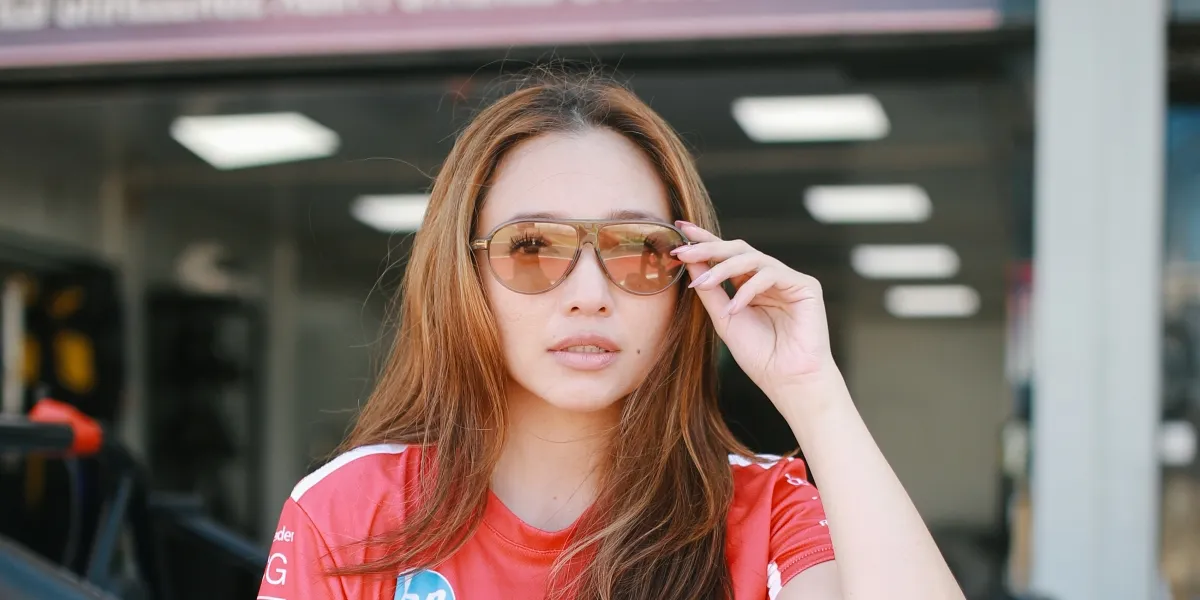
The atmosphere at Mandalika on May 23, 2026, would have been charged with anticipation as Manda Cello prepared for her professional track debut. The day began with final safety briefings and equipment checks, ensuring she was fully prepared for the demands of high-speed driving. Donning a racing suit, helmet, and HANS device, she would have undergone a transformation from celebrity to aspiring racer, focused solely on the task ahead.
Once behind the wheel of the racing car – likely a performance-tuned machine optimized for circuit driving, possibly a GT car or a specialized track day vehicle – Manda Cello embarked on a series of laps under the watchful eye of Senna Iriawan. The initial laps would have focused on familiarization, understanding the car’s handling characteristics, and memorizing the circuit layout. As her confidence grew, so would have the pace, pushing the limits of both herself and the machine. The sensation of speed, the G-forces in corners, the precision required for braking and acceleration, and the intense focus needed to maintain control at high velocities would have been an overwhelming yet exhilarating experience.
Manda Cello herself articulated the profound impact of the experience. The original report indicated she felt "sangat lega" (very relieved) to finally fulfill her childhood dream. This relief would have been coupled with an intense rush of adrenaline. After exiting the car, she confessed to the media that her "kaki lemas usai ngebut" (legs felt weak after speeding), a common physical reaction to the intense concentration and physical exertion demanded by high-performance driving. This candid detail paints a vivid picture of the sheer physical and mental challenge she overcame, far removed from the controlled environments of film sets. It was a raw, visceral encounter with a dream that tested her limits and rewarded her with an unforgettable sense of accomplishment. The sound of the engine, the wind rushing past, the blur of the trackside scenery – these elements combined to create a moment of pure, unadulterated passion for speed.
Breaking Barriers: Women in Indonesian Motorsports
Manda Cello’s bold move to embrace motorsports carries significant implications for the landscape of women in Indonesian racing. Historically, motorsports have been a male-dominated arena, not just in Indonesia but globally. However, recent years have seen a growing number of talented female drivers and riders challenging these stereotypes, proving their capabilities on equal footing with their male counterparts. Figures like Alexandra Asmasoebrata, Indonesia’s first female Formula driver, have paved the way, demonstrating that gender is no barrier to success in competitive racing.
Manda Cello’s celebrity status amplifies this message considerably. Her participation at Mandalika brings unprecedented visibility to the sport, particularly among her vast fanbase. For young girls and women across Indonesia, seeing a prominent public figure like Manda Cello pursue such an audacious and physically demanding sport can be profoundly inspiring. It sends a powerful message that passions should be pursued regardless of societal expectations or perceived gender roles. This increased visibility can potentially encourage more women to explore motorsports, whether as drivers, engineers, mechanics, or in various support roles, thereby fostering greater diversity and inclusivity within the industry. Her story serves as a tangible example that with dedication, perseverance, and a little bit of "forcing" parental consent, even the most unconventional dreams can become reality.
Industry Reactions and Future Outlook
The news of Manda Cello’s racing stint at Mandalika has generated considerable buzz within both the entertainment and motorsports industries. From an entertainment perspective, this bold move diversifies her public image, showcasing her as an adventurous and multifaceted personality beyond her acting and singing roles. This could open doors for new endorsement opportunities, perhaps with automotive brands or sports apparel companies, and even influence future acting roles that might incorporate action or racing elements. It demonstrates her willingness to take risks and push personal boundaries, qualities that resonate well with a broad audience.
Within the motorsports community, her involvement is largely seen as a positive development. Celebrity engagement often translates into increased public interest and potential new investment in the sport. While it’s unlikely that Manda Cello will immediately embark on a full-time professional racing career, her experience at Mandalika could be a stepping stone for further participation in track days, amateur races, or even celebrity racing events. Her newfound passion could also inspire other public figures to engage with motorsports, further boosting its profile in Indonesia. Yasuo Senna Iriawan, as her mentor, could potentially leverage this experience to highlight the importance of proper training and safety in motorsports, attracting more aspiring drivers to his programs.
The broader implications extend to the Mandalika International Circuit itself. Hosting a celebrity of Manda Cello’s stature, even for a training session, reinforces its versatility and appeal as a venue not only for international championships but also for unique experiences and promotional events. This aligns with the circuit’s strategic goal of becoming a dynamic hub for sports tourism and entertainment in Southeast Asia.
In conclusion, Manda Cello’s adrenaline-fueled adventure at the Mandalika International Circuit on May 23, 2026, was more than just a celebrity trying a new hobby. It was a profound personal triumph, the fulfillment of a long-suppressed childhood dream, and a powerful statement on gender roles and passion. Guided by the expertise of Yasuo Senna Iriawan, she not only conquered the challenging track but also inspired countless individuals, demonstrating that with courage and persistence, any dream, no matter how unconventional, can be brought to life. Her journey serves as a vibrant testament to the evolving landscape of Indonesian talent, where the lines between art, sport, and personal ambition are increasingly blurring, paving the way for a more diverse and exhilarating future.