Menelusuri Akar Sejarah dan Transformasi Hari Olahraga Nasional Sebagai Pilar Kebugaran Bangsa

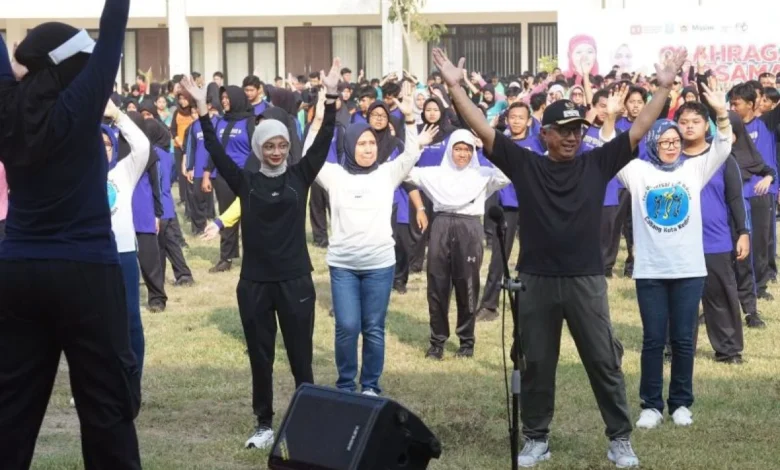
Every September 9, the Republic of Indonesia observes National Sports Day, known as Hari Olahraga Nasional (Haornas). This annual commemoration serves as more than a mere calendar entry; it acts as a symbolic anchor linking the nation’s post-independence struggle with its contemporary aspirations for a healthy, competitive, and disciplined society. The significance of this date is rooted in the inaugural National Sports Week (Pekan Olahraga Nasional or PON), held in Surakarta in 1948, which marked a pivotal moment in the nation’s efforts to project its sovereignty on the global stage. As Indonesia marks the 43rd anniversary of the official Haornas proclamation in 2026, the nation reflects on the evolution of sports from a tool of diplomatic identity to a fundamental pillar of national character and public health.
The Genesis of a Sporting Identity: The 1948 PON Legacy
The historical foundations of Haornas are deeply intertwined with the geopolitical challenges faced by the nascent Indonesian state in the late 1940s. Following the declaration of independence in 1945, the young republic sought international recognition and legitimacy. A primary vehicle for this endeavor was the world of international athletics. In 1948, Indonesian athletes aspired to participate in the XIV Olympic Games in London. However, the international community’s hesitation to recognize Indonesia’s sovereignty meant that the Indonesian contingent faced insurmountable administrative hurdles and travel restrictions.
Undeterred, the Indonesian government and sporting leaders decided to demonstrate their capabilities internally. Under the leadership of the Persatuan Olahraga Republik Indonesia (PORI), the first PON was organized in Surakarta, Central Java, from September 9 to September 12, 1948. The event was not merely a competition; it was a defiant statement of existence. By successfully hosting a multi-sport event, Indonesia proved to its citizens and the world that it possessed the organizational infrastructure and the national spirit to operate as an independent nation. The opening day of this inaugural event, September 9, was eventually cemented in the collective memory of the nation as the foundational date for the annual celebration of sports.
Institutionalizing the Spirit: From 1983 to Legal Formalization
While the spirit of the 1948 PON remained a source of pride, the formal designation of September 9 as a national holiday did not occur for several decades. It was only on September 9, 1983, that President Soeharto officially proclaimed the date as Hari Olahraga Nasional. The announcement was made during the inauguration of the renovated Sriwedari Stadium in Surakarta, a location chosen specifically to honor the birthplace of the PON movement.
The proclamation in 1983 was part of a broader state strategy to promote mass physical education and improve the nation’s athletic competitiveness. Recognizing that a healthy population was essential for national development, the government sought to move sports from an elite endeavor to a daily habit for the general public. To provide a robust legal framework for this initiative, the government issued Presidential Decree (Keppres) Number 67 of 1985. This legal instrument officially solidified September 9 as the national day dedicated to the advancement and sustainable development of sports in Indonesia. This decree mandated that the government at all levels—from national to regional—must prioritize the development of sports facilities and the promotion of physical culture.
The Evolution of Sports Infrastructure and Investment
In the modern era, the challenges of sports development have shifted from mere administrative recognition to large-scale infrastructure investment. Recent policy discussions from the Ministry of Youth and Sports (Kemenpora) highlight a strategic shift toward building a sustainable ecosystem. For instance, the government has recognized the necessity of significant capital expenditure, with reports indicating a need for approximately Rp1.5 trillion to establish centralized academies and advanced training centers.
These investments are not viewed as mere expenditures but as essential components of an economic and health-driven strategy. Modern sports development now focuses on "Sport Tourism," a concept that integrates regional economic growth with physical activity. For example, the designation of areas like Sumba Timur as hubs for sport tourism ahead of the 2028 PON illustrates how the government intends to leverage sporting events to stimulate local economies, improve infrastructure, and promote domestic travel.
Furthermore, the diversification of sports, such as the introduction of "Beach PON" in Ancol, demonstrates an adaptive approach to modern sporting trends. By utilizing the country’s natural geography, the Ministry aims to increase public participation, particularly among the youth, while fostering a culture of sports that goes beyond traditional stadium-based activities.
Societal Impact: Beyond Medals and Podium Finishes
A central theme in the 2026 Haornas discourse is the move away from a "medal-only" mentality. While international achievements at the Olympics or Asian Games remain vital for national pride, the core message of Haornas is the "democratization" of sports. The Ministry of Youth and Sports has emphasized in its 2025 and 2026 guidelines that the day should be treated as a moment to cultivate a "sporting culture" within every household.
The sociological implications of this are significant. Regular physical activity is directly linked to the improvement of public health indicators, including the reduction of non-communicable diseases such as hypertension and diabetes, which are rising concerns in Indonesia’s urban centers. Beyond health, sports serve as a unique pedagogical tool. The discipline, resilience, and teamwork required in athletics are recognized by educators and policymakers as essential "soft skills" that contribute to the moral and intellectual development of the Indonesian youth.
In terms of national unity, sports remain one of the few platforms capable of transcending ethnic, religious, and political divides. During events like the PON or international matches, the nation experiences a collective emotional synchronization that is rarely achieved in other spheres of public life. Haornas, therefore, acts as a reminder of this unifying potential.
The 2026 Commemoration: A Call to Action
As Indonesia observes the 43rd Haornas on September 9, 2026, the focus is on active engagement. The government, through various departments, has encouraged citizens to move beyond commemorative ceremonies and participate in tangible physical activities. Whether through corporate-sponsored fun runs, community sports clubs, or simple school-based fitness programs, the goal is to make physical activity a non-negotiable part of the Indonesian lifestyle.
From a policy standpoint, the 2026 period represents a transition toward the "Golden Indonesia 2045" vision. For the nation to reach its full potential, a physically fit and mentally disciplined workforce is deemed non-negotiable. Consequently, the Ministry of Youth and Sports has been tasked with streamlining the connection between professional elite training and grassroots mass sports. The strategy involves creating a seamless pathway where local talent can be identified, nurtured in high-performance centers, and eventually compete on the world stage, while simultaneously ensuring that the average citizen has access to safe and affordable exercise facilities.
Challenges and Future Outlook
Despite the progress, the road ahead remains complex. Critics and industry observers point to the "maintenance gap"—the tendency for large sporting facilities built for major events to fall into disrepair after the competition concludes. Addressing this requires a shift in management models, potentially involving more public-private partnerships to ensure that sports infrastructure remains utilized year-round.
Furthermore, the digital age presents a new challenge: sedentary behavior. With the proliferation of digital entertainment and the transition toward desk-based work, the sedentary lifestyle has become a modern health crisis. The annual celebration of Haornas is increasingly being tasked with using digital platforms to combat this trend, utilizing social media campaigns to encourage exercise and provide digital health coaching.
The 2026 observance also highlights the importance of inclusivity. Efforts to provide sports access to persons with disabilities and marginalized communities have gained momentum, reflecting the belief that the right to physical activity is a fundamental human right. As the nation prepares for future PON cycles and international hosting duties, the inclusive nature of these events will be a benchmark of Indonesia’s success as a modern, progressive nation.
Conclusion
The Hari Olahraga Nasional is a tapestry woven from the threads of revolutionary history and modern ambition. From the makeshift fields of 1948 Surakarta to the advanced, multi-billion-rupiah facilities of the 21st century, the journey of Indonesian sports reflects the resilience of the nation itself. As we move further into the 2020s, the commemoration of September 9 serves as a crucial reminder that the strength of a nation is not only measured by its GDP or military capacity, but by the vitality, discipline, and unity of its people. By fostering a culture that prioritizes movement and competitive excellence, Indonesia continues to honor the legacy of its founders while building a robust foundation for future generations. The 43rd Haornas is, ultimately, a call for every Indonesian to participate in the ongoing narrative of national progress, one step at a time.
Related posts: