
Microwave Corn On The Cob
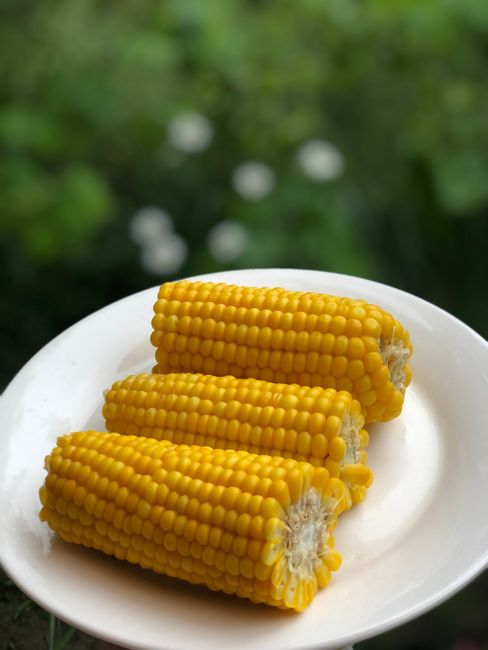
Microwave Corn on the Cob: The Ultimate Guide to Fast, Flavorful, and Flawless Preparation
Microwaving corn on the cob offers an unparalleled blend of speed, convenience, and surprisingly excellent flavor, making it an ideal solution for busy weeknights, impromptu gatherings, or simply when the craving for sweet, tender corn strikes with urgency. This method bypasses the lengthy steaming or boiling processes, delivering perfectly cooked corn in mere minutes, preserving its natural sweetness and vibrant texture. Unlike some other cooking methods that can risk overcooking or undercooking, the microwave’s precise heating allows for a more consistent and controllable outcome, especially when approached with the right techniques. The inherent cellular structure of corn kernels, particularly their high water content, makes them exceptionally receptive to microwave energy, leading to rapid and even cooking. This efficiency translates directly to less time spent in the kitchen and more time enjoying a delicious, wholesome side dish. Furthermore, the microwave method is inherently cleaner, often requiring minimal additional dishes and simplifying the post-meal cleanup considerably. For those seeking a healthy and low-fat cooking option, microwaving corn on the cob often requires no added oil or butter during the cooking process itself, allowing the natural flavors to shine through. This versatility extends to its preparation: whether you prefer it still in its husks, wrapped in parchment, or even shucked, the microwave adapts, offering multiple pathways to corn perfection. Understanding the nuances of microwave cooking, such as the importance of moisture and the impact of husk removal, is key to unlocking the full potential of this incredibly efficient culinary technique.
Mastering the Microwave Method: Husked vs. Unhusked Corn
The primary differentiator in microwave corn on the cob preparation lies in whether you choose to cook it with the husks on or off. Both methods yield delicious results, but they offer distinct advantages and require slightly different approaches.
Cooking Corn on the Cob with Husks Intact: This is arguably the most popular and often considered the simplest microwave method, primarily because the husks act as a natural steaming vessel, trapping moisture and infusing the corn with its own essence. The process begins with selecting fresh, vibrant ears of corn. Look for bright green, tightly wrapped husks and plump, white or yellow kernels that feel firm to the touch. Avoid ears with dry, brown, or loose husks, as these indicate older corn that may be less sweet and tender. Begin by trimming off any excessively long or tattered silk tassels, but leave the husks and remaining silk attached. The key to this method is to create a moist environment within the husk. Place one or two ears of corn, depending on the size of your microwave and plates, directly onto a microwave-safe plate or dish. Alternatively, you can place them directly on the microwave turntable. For optimal moisture retention and even cooking, dampen the husks slightly by running them under cool water, allowing excess water to drip off. Do not soak the corn. The moisture clinging to the husks will be sufficient. Microwave on high power for approximately 4-6 minutes per ear. The exact cooking time will vary based on the wattage of your microwave and the size of the corn. A good indicator of doneness is when the kernels have turned a bright yellow or white and appear plump and slightly translucent. The silk should also have softened and can be easily pulled away after cooking.
The Unhusked Advantage: The primary benefit of cooking corn with husks intact is the inherent self-basting and steaming effect. The husks act as a natural barrier, preventing the kernels from drying out and ensuring a consistently moist and tender result. This method also minimizes the need for added fats or seasonings during the cooking process, allowing the natural sweetness of the corn to dominate. Furthermore, the husks act as a built-in handle, making it easy to remove the corn from the microwave and minimizing the mess associated with shucking. The steam generated within the husk tenderizes the kernels beautifully, leading to a satisfyingly sweet and juicy bite.
Post-Cooking Handling (Unhusked): Once the cooking time is complete, carefully remove the plate or dish from the microwave using oven mitts, as the corn and husks will be very hot. Allow the corn to rest for about a minute before attempting to shuck it. This brief resting period allows the steam to continue to circulate and the kernels to firm up slightly, making the silks easier to remove. To shuck, grasp the top of the husks and pull them downwards, away from the cob. The silks should slide away relatively easily. If any stubborn silks remain, a quick rinse under cool water or a gentle brushing with a vegetable brush will remove them.
Cooking Corn on the Cob Without Husks (Shucked Corn): For those who prefer a more direct approach or are pressed for time to even shuck, cooking shucked corn in the microwave is equally effective. This method offers slightly faster cooking times and allows for more direct seasoning application if desired. Start by shucking the corn, removing all husks and silks. Rinse the shucked ears under cool water. The key here is to ensure adequate moisture to prevent the kernels from drying out. Wrap each shucked ear of corn tightly in microwave-safe plastic wrap or parchment paper. Ensure the wrap is sealed securely to trap steam. If using plastic wrap, leave a small vent for steam to escape, or ensure it’s not completely airtight. Alternatively, you can place shucked corn on a microwave-safe plate, add a tablespoon or two of water to the bottom of the plate, and cover tightly with microwave-safe plastic wrap or a microwave-safe lid with a vent. Microwave on high power for approximately 3-5 minutes per ear, depending on microwave wattage and corn size. Again, signs of doneness include bright, plump kernels.
The Shucked Advantage: Cooking shucked corn in the microwave allows for quicker cooking times as the microwave energy has more direct access to the kernels. This method also provides an opportunity to infuse the corn with additional flavors during the cooking process. Butter, herbs, or even a sprinkle of salt can be added directly to the shucked ears before wrapping or covering. This can lead to a more complex flavor profile if desired. The absence of husks also makes for a slightly tidier eating experience, with no silks to contend with.
Post-Cooking Handling (Shucked): Similar to the unhusked method, exercise caution when removing the hot corn from the microwave. If wrapped in plastic wrap, carefully unwrap, allowing steam to escape away from your face. If cooked on a plate with water and covered, remove the cover. The corn should be tender and heated through.
Optimizing Microwave Corn: Key Factors for Success
Several factors significantly impact the outcome of your microwave corn on the cob. Paying attention to these details will elevate your corn from merely cooked to perfectly delicious.
Moisture is Paramount: Regardless of whether you cook your corn with husks on or off, maintaining adequate moisture is the single most crucial element for tender, non-rubbery corn. The microwave heats by exciting water molecules. If the corn is too dry, it will cook unevenly, become tough, and lack that signature sweetness. For unhusked corn, the natural moisture within the husks and silks is usually sufficient. However, if your corn appears a bit dry, a quick rinse before microwaving can help. For shucked corn, adding a tablespoon or two of water to the bottom of the microwave-safe dish before covering, or ensuring the plastic wrap is sealed to trap internal moisture, is essential.
Microwave Wattage and Power Levels: Microwave ovens vary significantly in their wattage, which directly affects cooking times. Higher wattage microwaves cook faster. It is therefore essential to be aware of your microwave’s power. Most recipes assume a standard 1000-watt microwave. If your microwave has a lower wattage, you will need to increase the cooking time. Conversely, a higher wattage microwave may require a slight reduction in cooking time. Experimentation is often necessary. Similarly, while high power is generally recommended for speed, for very delicate corn or to avoid uneven cooking, you might consider reducing the power level to 70-80% and extending the cooking time slightly.
Corn Size and Number of Ears: The size of the corn ears (petite vs. large) and the number of ears you microwave simultaneously will influence cooking times. Larger ears will require slightly longer to cook through. Microwaving more than two ears at a time in a standard microwave can lead to uneven cooking, as the microwaves may not penetrate all the ears effectively. If you need to cook a larger quantity, it is best to do so in batches.
Resting Time: This is a often-overlooked but vital step. After microwaving, allowing the corn to rest for 1-2 minutes is crucial. During this resting period, the residual heat continues to cook the corn, and the steam continues to circulate, ensuring a more tender and evenly cooked result. It also makes the corn easier to handle and shuck.
Seasoning Strategies for Microwave Corn
While microwaving corn on the cob, especially with husks on, allows the natural sweetness to shine, a world of flavor can be unlocked with strategic seasoning.
Post-Cooking Seasoning: This is the most common and versatile approach.
- Butter and Salt: The classic pairing. Melted butter, brushed generously over the warm corn, and a sprinkle of flaky sea salt or Kosher salt is an unbeatable combination.
- Herbs: Freshly chopped herbs like chives, parsley, cilantro, or dill add brightness and complexity. Mix them into softened butter or sprinkle directly onto the hot corn.
- Spices: For a kick, consider smoked paprika, chili powder, garlic powder, or even a touch of cayenne pepper. These can be mixed into butter or sprinkled directly.
- Citrus: A squeeze of fresh lime or lemon juice over the corn can add a vibrant, zesty counterpoint to its sweetness.
- Cheese: Grated Parmesan cheese, crumbled feta, or cotija cheese can add a salty, savory dimension.
- Garlic Butter: Softened butter mixed with minced garlic and herbs creates a rich and aromatic topping.
During-Cooking Seasoning (Primarily for Shucked Corn):
- Butter and Herbs: For shucked corn, you can place a pat of butter, a few sprigs of herbs (like rosemary or thyme), and a pinch of salt directly on the shucked ear before wrapping it in plastic wrap or parchment paper. The butter will melt and infuse the corn as it cooks.
- Spices: Dry rubs containing garlic powder, onion powder, paprika, and chili powder can be applied to shucked corn before wrapping.
Troubleshooting Common Microwave Corn Problems
Even with this simple method, occasional issues can arise. Understanding common problems and their solutions will ensure consistently excellent results.
Problem: Dry or Rubbery Corn
- Cause: Insufficient moisture during cooking, overcooking, or not enough resting time.
- Solution: Ensure adequate moisture by lightly dampening husks or adding water for shucked corn. Reduce cooking time if you consistently overcook. Always allow for a resting period. Experiment with slightly lower power settings for more gentle cooking.
Problem: Unevenly Cooked Kernels (Some Hard, Some Soft)
- Cause: Microwaving too many ears at once, uneven microwave distribution, or inconsistent moisture.
- Solution: Microwave corn in batches, ensuring each ear has space. Rotate the plate or dish halfway through cooking if your microwave doesn’t have a turntable. Ensure uniform moisture distribution.
Problem: Husk Tearing or Exploding (Rare)
- Cause: Trapped steam in a completely sealed husk.
- Solution: While the husk usually vents naturally, if you’re concerned about excessive steam buildup, you can make a small slit in the husk with a knife before microwaving. However, this is rarely necessary for standard microwave cooking.
Problem: Stubborn Silks
- Cause: Older corn or silks that have fused to the kernels.
- Solution: After cooking, firmly grip the top of the husks and pull downwards. If silks remain, a quick rinse under cool water and gentle brushing usually removes them. A clean vegetable brush can be very effective.
Microwave Corn on the Cob: A Versatile Side Dish
Microwave corn on the cob is not just a quick and easy side; it’s a foundation for countless culinary creations. Its inherent sweetness and tender texture make it a crowd-pleaser at any meal.
- Classic Barbecue Side: Serve with grilled meats, burgers, or chicken for a quintessential summer meal.
- Fiesta Favorite: Top with chili powder, lime juice, cilantro, and cotija cheese for a Mexican-inspired dish.
- Creamy Corn Delight: Remove kernels from the cob after microwaving and sauté with butter, cream, and chives for a decadent side.
- Corn Salad Base: Chop microwaved corn kernels and add to a vibrant salad with black beans, bell peppers, red onion, and a lime vinaigrette.
- Quick Appetizer: Serve with seasoned butter or a spicy aioli for a simple yet satisfying appetizer.
The beauty of microwave corn lies in its adaptability. It can be a standalone treat, a canvas for creative toppings, or an integral component of more complex dishes, all achieved with minimal effort and time investment. The efficiency of the microwave method ensures that a delicious, fresh corn experience is always within reach, regardless of your culinary skill level or available time.
