
Moms Baking Powder Biscuits
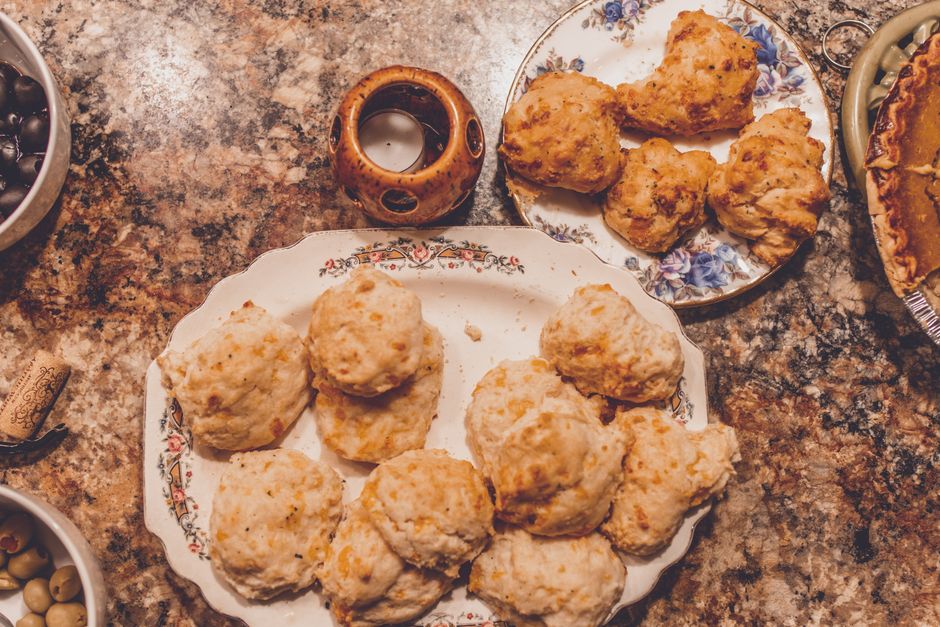
Mom’s Perfect Powder Biscuits: A Guide to Fluffy, Golden-Brown Delights
The quest for the perfect biscuit, characterized by its light, airy interior, tender crumb, and golden-brown exterior, is a culinary journey many home bakers embark on. This article delves deep into the techniques and ingredients required to achieve Mom’s legendary powder biscuits, a staple in countless kitchens known for their unparalleled texture and flavor. We’ll explore the fundamental principles of biscuit making, troubleshoot common issues, and provide variations to suit different palates. Understanding the science behind leavening agents, fat distribution, and proper dough handling is paramount to success. Powder biscuits, so named for the primary leavening agent, baking powder, rely on a delicate balance of ingredients and precise execution. The goal is a biscuit that is flaky, not dense, buttery, not greasy, and has a satisfying, slightly chewy bite. This guide will equip you with the knowledge to replicate or even surpass those cherished memories of warm, homemade biscuits.
The foundation of any exceptional biscuit lies in its ingredients. For Mom’s powder biscuits, simplicity is key, but quality matters. All-purpose flour is the standard, providing the gluten structure necessary for the biscuit’s form. However, the protein content of all-purpose flour can sometimes lead to tougher biscuits if overmixed. For an even more tender result, some bakers opt for a blend of all-purpose and cake flour, or even a lower-protein pastry flour. The fat is arguably the most critical component influencing texture. Cold, unsalted butter is the gold standard. Its solid state when incorporated into the flour creates pockets of steam during baking, resulting in flakiness. Shortening can also be used, and some recipes combine butter and shortening for a balance of flavor and tenderness, though butter offers a superior taste profile. Liquid ingredients, typically milk or buttermilk, hydrate the dry ingredients and activate the leavening agents. Buttermilk, with its acidity, reacts with baking soda (often used in conjunction with baking powder) to create an even lighter crumb and a subtle tang that complements the richness of the butter. A pinch of salt is essential for flavor, enhancing all the other ingredients. Baking powder, the namesake leavening agent, is a double-acting leavener, meaning it begins to react when moistened and again when exposed to heat. Ensuring your baking powder is fresh is crucial for optimal lift.
The technique of cutting in the fat into the flour is where the magic of flakiness begins. This process involves incorporating cold, solid fat into the dry ingredients until the mixture resembles coarse meal or small peas. This can be achieved using a pastry blender, two knives, or even your fingertips. The key is to work quickly to prevent the fat from melting. The pea-sized pieces of fat will melt during baking, leaving behind air pockets that contribute to the biscuit’s layered texture. Overworking the fat will result in a greasy biscuit with a dense crumb. Aim for an uneven distribution of fat particles of varying sizes. Some will be small, resembling sand, while others will be larger, like small peas or even small lima beans. These larger pieces are critical for creating those distinct layers. If the butter becomes too warm and melds into the flour, you’ll lose the distinct pockets of fat, and your biscuits will be flatter and less flaky. This is why chilling both the flour and the fat beforehand is a common and effective practice.
Once the fat is incorporated, the liquid is added. This is where the term "dough" is used loosely, as biscuit dough should be very soft and shaggy, not a smooth, cohesive ball. The liquid should be added all at once, and then gently mixed until just combined. Overmixing at this stage develops gluten, leading to tough, rubbery biscuits. The dough should still appear somewhat lumpy and shaggy, with dry streaks of flour visible. This minimal mixing is crucial for a tender outcome. The goal is to hydrate the flour enough for the baking powder to activate and for the dough to hold together, but not so much that gluten strands begin to form. Think of it as lightly binding the ingredients rather than creating a traditional dough. A gentle folding motion with a fork or spatula is often recommended to avoid overworking the dough.
Patting or rolling the dough is another critical step. The dough should be gently patted or very lightly rolled to a thickness of about 3/4 to 1 inch. Overworking the dough by excessive kneading or rolling too thinly will result in tough biscuits. When patting, use a light touch, as if you’re pressing down on a cloud. If you’re using a rolling pin, roll just enough to achieve the desired thickness. It’s important to maintain the integrity of the fat pockets. Avoid excessive pressure that would crush them. Some bakers prefer to avoid rolling pins altogether and simply pat the dough into a rustic round, then cut it. This often results in a more tender biscuit.
Cutting the biscuits cleanly is essential for a good rise. Use a sharp biscuit cutter, a cookie cutter, or even the rim of a glass. Dip the cutter in flour before each cut to prevent sticking. Press straight down without twisting. Twisting can seal the edges of the dough, preventing the biscuit from rising evenly. If you don’t have a dedicated biscuit cutter, a sharp knife can be used to cut the dough into squares or rectangles, though this can sometimes lead to less uniform rising. For the most delicate rise, avoid re-rolling scraps as much as possible; the second cut-throughs tend to be tougher. If you must re-roll, do so very gently and quickly.
Baking temperature and time are crucial for achieving that perfect golden-brown exterior and fully cooked interior. Biscuits are typically baked at a high temperature, around 400-450°F (200-230°C). This high heat creates a rapid rise and helps to set the crust quickly, preventing the biscuits from spreading too much. The baking time is relatively short, usually 10-15 minutes, depending on the size of the biscuits and your oven. You’re looking for a beautiful golden-brown color on the tops and bottoms, and the biscuits should feel firm to the touch. Overbaking will lead to dry, hard biscuits, while underbaking will result in a doughy, raw interior. It’s often beneficial to place the biscuits close together on the baking sheet, allowing them to support each other as they rise, which can also contribute to a taller, more structured biscuit. Some recipes advocate for brushing the tops with melted butter or milk before baking for an even richer, glossier finish.
Troubleshooting common biscuit problems is an inevitable part of the baking process. If your biscuits are flat and dense, you’ve likely overmixed the dough, used melted fat, or your baking powder is inactive. If they are tough, the culprit is almost certainly overmixing or excessive handling of the dough. Greasy biscuits indicate that the fat was too warm when incorporated or that you used too much fat. For pale biscuits that lack color, the oven temperature may have been too low, or they simply needed a few more minutes of baking. Burnt bottoms suggest the baking sheet was too close to the heat source or the oven temperature was too high. By understanding these common pitfalls, you can learn to identify and correct them for future baking endeavors. Pay attention to the consistency of your dough at each stage; it’s your best indicator of potential issues.
Variations on the classic powder biscuit abound, allowing for personalization and adaptation to different meals. Adding finely chopped herbs like chives, rosemary, or parsley to the dry ingredients can impart a savory note perfect for accompanying soups or stews. A sprinkle of shredded cheese, such as cheddar or Parmesan, can transform them into cheesy biscuits, ideal as a side dish or even a light snack. A touch of sugar can be added for a hint of sweetness, making them suitable for breakfast with jam or honey. For a richer, more decadent biscuit, substituting some of the milk with heavy cream or even using a combination of butter and cream cheese can create an incredibly tender and flavorful result. Experimenting with different flours, such as whole wheat or spelt, can introduce nutty flavors and a slightly different texture. Remember that different flours absorb liquid differently, so you may need to adjust the liquid content accordingly.
The art of making Mom’s perfect powder biscuits is a blend of understanding fundamental baking principles and applying them with care and precision. The emphasis on cold ingredients, minimal mixing, and proper fat incorporation is what distinguishes a truly exceptional biscuit. By mastering these techniques, you can consistently produce light, fluffy, golden-brown biscuits that evoke comfort and culinary delight. The satisfaction of pulling a batch of perfectly risen biscuits from the oven, their aroma filling the kitchen, is a reward in itself. These biscuits are more than just a baked good; they are a connection to tradition, a symbol of home, and a testament to the power of simple, well-executed ingredients. Practice and observation are key to honing your biscuit-making skills. Each batch will offer new insights, allowing you to fine-tune your approach and achieve that perfect, melt-in-your-mouth texture that defines truly memorable powder biscuits. The information provided here serves as a comprehensive guide to achieving this culinary goal, empowering bakers of all levels to create these beloved delights.
