
Nagasari A Deep Dive Into Indonesias Beloved Traditional Banana And Rice Flour Delight 3
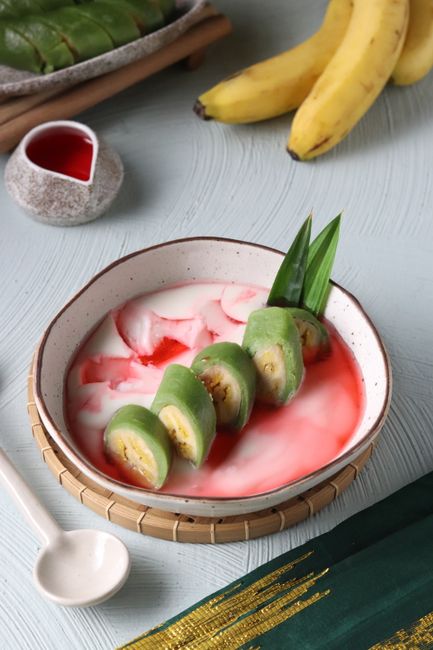
Nagasari: A Deep Dive into Indonesia’s Beloved Traditional Banana and Rice Flour Delight
Nagasari, a revered Indonesian dessert, stands as a testament to the country’s rich culinary heritage, specifically its masterful use of humble ingredients to create exquisite flavors and textures. At its core, nagasari is a steamed cake crafted primarily from rice flour, coconut milk, and sugar, most famously infused with the fragrant essence of ripe banana. Its name, derived from the Sanskrit word "naga" meaning serpent, is thought to allude to the serpentine appearance of the banana slice often nestled within the cake, or perhaps the undulating patterns that can emerge during the steaming process. This delightful confection transcends simple sweetness; it embodies a comforting familiarity, a sensory experience that evokes warmth, tradition, and the very soul of Indonesian home cooking. Its ubiquity in Indonesian households, from humble village kitchens to bustling city apartments, underscores its status as a beloved national treasure. The preparation, while seemingly straightforward, involves a delicate balance of ingredients and techniques, honed over generations, to achieve the signature smooth, slightly chewy texture and the subtle, aromatic sweetness that defines authentic nagasari. Exploring nagasari is more than just a culinary adventure; it’s an immersion into Indonesian culture, a journey through its agricultural bounty, and an appreciation for the artistry of its traditional foodways.
The foundational elements of nagasari are remarkably simple, yet their interplay is crucial to the final product’s success. The primary ingredients are glutinous rice flour, regular rice flour, coconut milk, sugar, and salt. The combination of glutinous and regular rice flour is key to achieving the desired texture – the glutinous flour provides the characteristic chewiness and elasticity, while the regular rice flour contributes to the overall structure and smoothness. The quality of the rice flour is paramount; freshly milled flour, free from any staleness, will yield a more pleasing taste and texture. Coconut milk, extracted from freshly grated mature coconuts, is indispensable for its rich flavor and creamy consistency. It not only imparts a distinct tropical aroma but also contributes to the moistness of the finished cake. Sugar, typically granulated white sugar, provides the sweetness. The precise amount can be adjusted to personal preference, but a balanced sweetness is generally sought, one that complements rather than overpowers the subtle flavors of the rice and banana. A pinch of salt is a vital, often overlooked, ingredient that enhances the other flavors and balances the sweetness, preventing the dessert from tasting cloying. These basic components, when expertly combined, form the canvas upon which the star ingredient, banana, paints its aromatic masterpiece.
The soul of nagasari often lies in its namesake ingredient: banana. While various types of bananas can be used, ripe or overripe bananas are preferred for their intensified sweetness and softer texture. Varieties like Pisang Raja (King Banana), Pisang Kepok (Cardava Banana), or Pisang Tanduk (Horn Banana) are commonly employed due to their distinct aroma and suitability for cooking. The ripeness of the banana is critical; overripe bananas release more natural sugars, contributing to the dessert’s overall sweetness and making them easier to mash or slice. The banana is typically incorporated in one of two ways: either thinly sliced and placed as a central core within the steamed cake, or mashed and mixed directly into the rice flour batter. The sliced banana offers distinct pockets of intense banana flavor and a soft, yielding texture against the slightly chewy cake. When mashed and integrated into the batter, the banana flavor becomes more diffused, lending a subtle sweetness and aroma throughout the entire nagasari. Some regional variations might even combine both methods, creating layers of banana flavor and texture. The visual appeal is also enhanced by the banana, with the golden hue of the fruit peeking through the white or creamy canvas of the cake.
The preparation of nagasari is a ritualistic process that demands patience and attention to detail, culminating in the transformative act of steaming. The process begins with preparing the rice flour batter. Typically, the glutinous and regular rice flour are combined in a bowl. Coconut milk is then gradually added, whisked vigorously to ensure a smooth, lump-free consistency. This is often done over low heat, stirring continuously, until the mixture thickens into a sticky dough. Some recipes call for heating the coconut milk and sugar separately, then pouring it over the rice flour mixture, while others combine all wet ingredients and heat them together with the dry. Adding a pinch of salt at this stage is crucial. Once the batter has thickened to a pudding-like consistency, it is removed from the heat and allowed to cool slightly. This cooling period is important to prevent the banana from becoming overly mushy if it’s to be mashed into the batter, or to ensure it retains its shape if it’s to be sliced.
The assembly of nagasari involves the artful folding of the banana into the prepared batter, followed by wrapping. Traditionally, banana leaves are the preferred wrapping material. These leaves are first softened by briefly passing them over a flame or dipping them in hot water to make them pliable and prevent them from cracking. A portion of the rice flour batter is spread onto a banana leaf, forming a thin, even layer. If using sliced banana, one or two thin slices are placed lengthwise in the center of the batter. The banana leaf is then carefully folded over the batter and banana, creating a neat parcel. The edges are typically tucked or secured with toothpicks to prevent leakage during steaming. The size and shape of the nagasari can vary, from small, individual portions to larger, more rectangular cakes. Some cooks might create decorative folds or pleats in the banana leaf, adding an aesthetic touch to the final presentation. The wrapped parcels are then arranged in a steamer, ensuring they do not touch each other to allow for even cooking and prevent sticking.
Steaming is the crucial cooking method that transforms the raw ingredients into the delightful nagasari. The steamer should be preheated and filled with enough water to last the entire cooking time. The nagasari parcels are steamed over medium heat for approximately 20 to 30 minutes, or until the cake is cooked through and has a firm yet slightly yielding texture. The steam gently cooks the rice flour, setting the cake and infusing it with the aromatic essence of the banana and the subtle fragrance of the banana leaf. The banana leaf not only acts as a natural wrapper but also imparts a faint, pleasant aroma to the nagasari, further enhancing its appeal. It’s important not to over-steam, as this can result in a mushy or watery texture. Conversely, under-steaming will leave the cake doughy and unappetizing. The steam should be consistent, and the lid of the steamer should be kept firmly closed to maintain the heat and moisture.
Variations of nagasari abound across the Indonesian archipelago, reflecting regional preferences and the availability of local ingredients. While the classic banana nagasari remains the most popular, other fruit fillings are also employed. For instance, pieces of jackfruit (nangka) can be used, offering a different sweet and slightly floral flavor profile. Some versions incorporate pandan leaf extract or paste into the batter, lending a vibrant green hue and the distinctive pandan aroma, a staple in Southeast Asian desserts. These pandan-infused nagasari are often made without banana, focusing solely on the aromatic rice flour cake. Another popular variation is the addition of small, chewy pieces of palm sugar (gula merah or gula jawa) within the batter or as a central filling, creating delightful pockets of caramel-like sweetness. This variation is sometimes called "Nagasari Gula Merah." In some coastal areas, a touch of grated cheese might be incorporated, offering a surprising savory counterpoint to the sweetness. The use of different flours, such as a blend of rice flour and tapioca flour, can also alter the texture, making it chewier or more tender. These regional adaptations demonstrate the versatility of the basic nagasari concept, allowing it to evolve while retaining its core identity.
The culinary significance of nagasari extends beyond its taste and texture; it is deeply embedded in Indonesian social and cultural practices. Nagasari is a ubiquitous presence at celebrations, from religious ceremonies and weddings to birthdays and community gatherings. It is a common offering during breaking fast in the month of Ramadan and is often found on the breakfast tables of many Indonesian households. Its portability and shelf-life (when properly stored) make it an ideal snack for sharing. In many regions, selling nagasari is a common livelihood for women, contributing to household income and preserving traditional culinary skills. The act of making nagasari itself can be a communal activity, fostering bonding and intergenerational knowledge transfer. Children often learn to make nagasari from their mothers and grandmothers, perpetuating the culinary legacy. The simple, honest ingredients and the comforting nature of the dessert resonate with a sense of nostalgia and belonging for many Indonesians, both within the country and in the diaspora.
Nagasari’s appeal also lies in its adaptability to modern dietary considerations, though these are often byproducts of traditional practice rather than deliberate modifications. For instance, the inherent gluten-free nature of rice flour makes it a suitable option for individuals with gluten sensitivities. The use of coconut milk, a dairy-free alternative, also caters to those avoiding dairy. However, the sugar content can be a consideration for health-conscious consumers. Some contemporary interpretations might explore the use of alternative sweeteners like stevia or palm sugar in larger quantities for a more distinct caramel flavor. The choice of banana ripeness also offers a degree of natural sweetness control. While traditional nagasari is a delight in its own right, its fundamental structure allows for experimentation. For example, incorporating a small amount of finely grated coconut into the batter can enhance the coconut flavor and add a slight textural variation. The banana leaf wrapping, while traditional, can be substituted with parchment paper or silicone molds for convenience, though this may alter the subtle aromatic contribution of the leaf.
The sensory experience of consuming nagasari is multifaceted and deeply satisfying. The visual appeal, with the pale, creamy cake often revealing a golden sliver of banana, is inviting. The aroma, a delicate blend of steamed rice flour, sweet coconut milk, and fragrant banana, is instantly recognizable and comforting. Upon biting into a piece, the initial sensation is one of gentle resistance, followed by a yielding softness. The texture is characteristically slightly chewy, a pleasant contrast to the smooth interior. The sweetness is gentle and natural, allowing the inherent flavors of the rice and banana to shine. If palm sugar is used, pockets of intensified sweetness burst forth with a caramel undertone. The subtle perfumed notes from the banana leaf can also be detected, adding an authentic, rustic dimension. It’s a dessert that is not overly rich or cloying, making it perfect for an afternoon snack, a light dessert, or even a sweet accompaniment to coffee or tea. The warmth from the steaming process enhances its comforting qualities, making it a favored treat in cooler climates or during rainy seasons.
In conclusion, nagasari is far more than just a simple dessert; it is a culinary icon of Indonesia, a harmonious blend of accessible ingredients elevated by skillful preparation and cultural significance. Its enduring popularity is a testament to its comforting flavors, pleasing textures, and its role in connecting Indonesians to their heritage. From the careful selection of rice flour and the fragrant richness of coconut milk to the sweet allure of ripe banana and the transformative magic of steaming, every step in the creation of nagasari is imbued with tradition and care. The diverse regional variations demonstrate its adaptability and the creativity of Indonesian cooks, while its presence at every significant occasion solidifies its place as a beloved staple. Understanding nagasari offers a window into the heart of Indonesian culinary identity, showcasing how simple, wholesome ingredients can be transformed into a deeply cherished delicacy enjoyed by generations. Its SEO-friendly nature stems from its unique name, its association with popular ingredients like "banana cake" and "rice flour dessert," and its deep roots in "Indonesian traditional food" and "Southeast Asian cuisine." The continuous search for authentic recipes and cultural insights ensures that keywords related to nagasari will remain relevant for culinary enthusiasts worldwide.
