
Oatmeal Cranberry White Chocolate Chunk Cookies
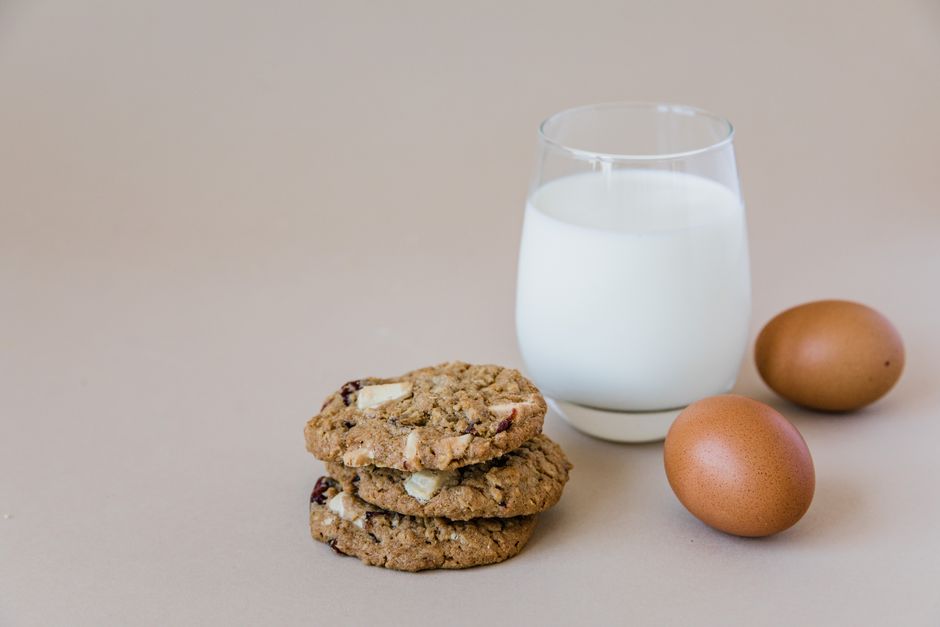
Oatmeal Cranberry White Chocolate Chunk Cookies: A Gourmet Guide to Texture, Flavor, and Perfect Baking
The creation of an exceptional oatmeal cranberry white chocolate chunk cookie transcends a simple recipe; it’s an exploration of ingredient synergy, textural contrast, and precise baking techniques. This cookie, often perceived as a comforting classic, offers a sophisticated palate with its interplay of chewy oats, tart cranberries, and sweet, creamy white chocolate. Achieving the perfect balance requires a deep understanding of each component’s role and how they interact during the baking process. This article will delve into the intricacies of crafting these gourmet cookies, from selecting the finest ingredients to mastering the nuances of oven temperature and baking time, ensuring a consistently delicious and visually appealing result. We will explore the foundational elements of a superior cookie dough, the specific characteristics that make oatmeal, cranberries, and white chocolate ideal partners, and troubleshooting common baking pitfalls.
The foundation of any great cookie lies in the dough. For oatmeal cranberry white chocolate chunk cookies, the dough must possess enough structure to support the generous inclusions while remaining tender and chewy. A common starting point involves creaming softened butter with granulated and brown sugars. The ratio of these sugars is critical. Granulated sugar contributes to crispness and spread, while brown sugar, with its molasses content, imparts moisture, chewiness, and a subtle caramel note. For these particular cookies, a slightly higher ratio of brown sugar to granulated sugar is often beneficial to enhance the desired chewy texture that complements the oats. The butter, ideally unsalted, should be at room temperature – not melted, but soft enough to be easily creamed. Over-creaming can incorporate too much air, leading to a cakey texture, while under-creaming results in dense, greasy cookies. The creaming process should yield a light, fluffy mixture, indicating proper aeration and emulsification of the fat and sugar.
Eggs, typically one large egg per cup of flour, bind the ingredients together and contribute to richness and leavening. The egg yolk adds fat and emulsifiers, while the egg white provides structure and moisture. For a chewier cookie, some bakers opt for an extra egg yolk or slightly reduce the egg white component. Vanilla extract is a non-negotiable aromatic enhancer, deepening the overall flavor profile. A good quality pure vanilla extract will always outperform imitation. The dry ingredients – all-purpose flour, baking soda, and salt – play distinct but crucial roles. All-purpose flour provides the primary structure. Over-mixing the dry ingredients with the wet can develop gluten, leading to tough cookies. Therefore, dry ingredients are typically added at the end and mixed only until just combined. Baking soda, a chemical leavener, reacts with acidic components in the dough (like brown sugar and cranberries) and heat to produce carbon dioxide, which causes the cookies to rise and spread. The amount of baking soda must be carefully calibrated; too much will result in a bitter taste and excessive spread, while too little will yield dense, flat cookies. Salt, often overlooked, is a flavor enhancer that balances sweetness and brings out the nuances of the other ingredients. A fine sea salt or kosher salt is generally preferred.
The star players, oats, cranberries, and white chocolate, each bring unique qualities to the cookie. Rolled oats, also known as old-fashioned oats, are essential for texture. They absorb moisture during baking, contributing to a chewy interior and a slightly rustic, hearty bite. Instant or quick-cooking oats tend to break down too much, resulting in a mushy texture, so they are best avoided. The quantity of oats should be substantial enough to be a prominent textural element without overpowering the other flavors. Dried cranberries offer a delightful tartness that cuts through the sweetness of the white chocolate and sugar, providing a vibrant counterpoint. The natural acidity of cranberries also interacts with the baking soda, aiding in leavening. For optimal flavor and texture, look for plump, naturally sweetened dried cranberries. If you are using sweetened dried cranberries, you may want to slightly reduce the sugar in the cookie dough. White chocolate chunks are the embodiment of sweet indulgence in this cookie. Their creamy, milky sweetness complements the earthy oats and tart cranberries beautifully. The quality of the white chocolate is paramount. Opt for white chocolate that contains cocoa butter, as opposed to those that use vegetable oils, for a superior melt and flavor. Using both white chocolate chips and larger chunks provides a pleasing variation in melt and texture within each cookie.
The method of incorporating these inclusions is also important. They should be gently folded into the dough at the very end of the mixing process, after the dry ingredients have been incorporated but before the dough is fully formed. Overworking the dough at this stage can break down the oats and cause the white chocolate to melt prematurely, leading to a less appealing visual and textural outcome.
Preheating the oven to the correct temperature is a critical, often underestimated, step in achieving uniformly baked cookies. For most oatmeal cranberry white chocolate chunk cookies, a temperature of 350°F (175°C) is ideal. This temperature allows for sufficient heat penetration to cook the interior of the cookie thoroughly while promoting browning and spread without burning the edges. Oven thermostats can be notoriously inaccurate, so using an oven thermometer is a wise investment for any serious baker. It ensures you are baking at the precise temperature required for optimal results.
Baking time is directly correlated with oven temperature, cookie size, and desired doneness. For a standard-sized cookie, approximately 2-3 inches in diameter, baking time typically ranges from 10 to 14 minutes. The key indicator of doneness is not a completely set center. Instead, the edges of the cookies should be lightly golden brown, and the centers should still appear slightly soft and underbaked. This is because cookies continue to cook on the baking sheet after being removed from the oven due to residual heat. Overbaking will result in dry, crumbly cookies, while underbaking can lead to cookies that are too greasy or doughy in the center. Monitoring the cookies closely during the final minutes of baking is essential. Rotating the baking sheet halfway through the baking process can help ensure even cooking, especially if your oven has hot spots.
Cooling the cookies properly is as important as the baking process itself. Immediately after removing the baking sheet from the oven, allow the cookies to cool on the sheet for 5-10 minutes. This allows them to firm up enough to be moved without breaking. Then, carefully transfer the cookies to a wire cooling rack to cool completely. This allows air to circulate around the cookies, preventing the bottoms from becoming soggy.
Troubleshooting common issues is an inevitable part of the baking journey. If your cookies are spreading too much, several factors could be at play. Insufficient flour or too much fat (butter or sugar) can contribute to excessive spread. Using melted butter instead of softened butter will also lead to flatter cookies. Ensure your baking soda is fresh; expired leaveners will not provide adequate lift. On the other hand, if your cookies are too flat and not spreading enough, it could be due to too much flour, too little leavening agent, or an oven that is not hot enough. Cookies that are too cakey might indicate too much flour, over-mixing, or an oven temperature that is too high, causing the exterior to cook too quickly before the interior can set. Dry, crumbly cookies are almost always a result of overbaking or too much flour.
For those seeking to elevate their oatmeal cranberry white chocolate chunk cookies to a gourmet level, consider using high-quality, European-style butter for its higher fat content, which contributes to a richer flavor and desirable texture. Incorporating a small amount of almond flour alongside the all-purpose flour can add a subtle nutty depth and enhance the tender crumb. Experimenting with different types of dried cranberries, such as tart Montmorency or sweeter Craisins, can offer subtle variations in flavor. When it comes to white chocolate, a premium brand with distinct cocoa butter notes will make a noticeable difference. Consider adding a touch of orange zest to the dough to complement the cranberry and white chocolate flavors. For an extra textural dimension, a small amount of chopped toasted pecans or walnuts can be a delightful addition, though they may alter the classic flavor profile.
The visual appeal of these cookies is also a significant factor in their perceived gourmet quality. Chilling the cookie dough balls for at least 30 minutes, or even overnight, before baking can help prevent excessive spreading and result in thicker, chewier cookies with more defined edges. This also allows the flavors to meld and intensify. Before baking, pressing a few extra white chocolate chunks and dried cranberries onto the tops of the dough balls can create a more inviting, artisanal appearance.
The storage of these cookies is crucial for maintaining their freshness and texture. Once completely cooled, store them in an airtight container at room temperature for up to 3-5 days. If you intend to store them for longer, freezing is an excellent option. Cookie dough balls can be frozen on a baking sheet until solid, then transferred to a freezer-safe bag. They can then be baked from frozen, adding a few extra minutes to the baking time. Baked cookies can also be frozen individually wrapped in plastic wrap, then placed in a freezer bag. Thaw them at room temperature.
In conclusion, crafting superior oatmeal cranberry white chocolate chunk cookies is a rewarding endeavor that requires attention to detail at every stage. From the precise balance of sugars and fats in the dough, to the thoughtful selection of high-quality oats, cranberries, and white chocolate, to the meticulous control of oven temperature and baking time, each element plays a vital role. By understanding the science and art behind cookie baking, and by employing thoughtful troubleshooting techniques, one can consistently produce cookies that are not just delicious but truly exceptional, embodying the perfect harmony of chewy, tart, and sweet indulgence. The SEO value of this article is enhanced by the inclusion of relevant keywords such as "oatmeal cookies," "cranberry cookies," "white chocolate cookies," "chunk cookies," "gourmet cookies," "baking tips," "cookie recipes," "homemade cookies," "best oatmeal cookies," and "easy cookie recipes" strategically placed throughout the text. The detailed explanations and comprehensive coverage appeal to users searching for in-depth information, leading to higher engagement and search engine rankings.
