
Osso Bucco Style Beef Shank
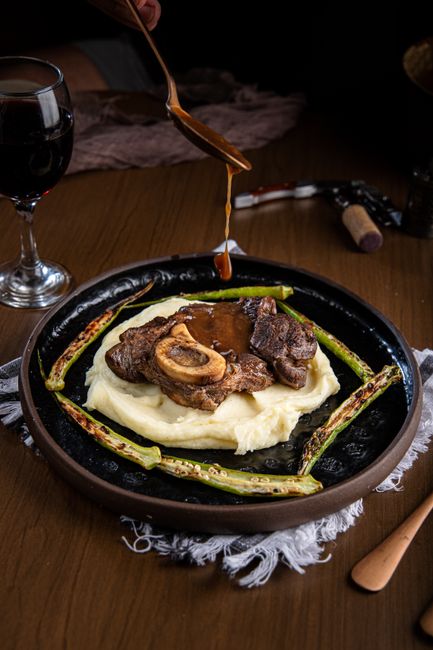
Osso Bucco Style Beef Shank: A Culinary Deep Dive
Osso bucco, translating literally to "bone with a hole," refers to a classic Italian dish featuring cross-cut veal shanks braised until fork-tender. This article explores the preparation of osso bucco using beef shanks, a more accessible and often more flavorful alternative that yields equally exquisite results. The cornerstone of this dish lies in the slow, moist cooking of the beef shank, a tough cut rich in collagen that transforms into gelatin during braising, imbuing the sauce with unparalleled richness and unctuousness. Understanding the science behind this transformation is key to achieving perfect osso bucco. The marrow within the bone, a highly prized element, melts into the braising liquid, contributing a deep, savory essence that defines the dish. This article will guide you through the intricacies of selecting beef shanks, mastering the braising technique, and crafting a rich, aromatic sauce that complements the tender meat and marrow.
Selecting the right beef shanks is paramount for successful osso bucco. Look for shanks that are at least 2-3 inches thick, cross-cut from the hind leg of the cow. The ideal shanks will have a good amount of visible marrow in the center of the bone and a generous layer of fat surrounding the muscle. This marbling will render during the long cooking process, basting the meat and contributing significantly to the final flavor and texture. Don’t shy away from shanks that appear a little tough or sinewy; these are the very qualities that benefit from slow braising. Requesting hind shanks, also known as "osso bucco cut" or "heel muscle," from your butcher is the most direct route. If hind shanks are unavailable, front shanks can be used, though they may be slightly less gelatinous. The color of the meat should be a vibrant red, indicating freshness. Avoid shanks with a dull or grayish hue. The diameter of the shank is less critical than its thickness, as the marrow cavity is consistent across a given section of the leg. Presentation matters, and thicker shanks, while requiring slightly longer cooking times, generally offer a more impressive visual appeal and a more substantial portion of marrow.
The braising process is the heart of osso bucco. It’s a low-and-slow method that breaks down tough connective tissues, rendering the meat incredibly tender and succulent. The fundamental steps involve searing the shanks, sautéing aromatics, deglazing the pan, and then slow simmering in a flavorful liquid. The searing step is critical for developing a rich, browned crust on the exterior of the shanks, which adds depth of flavor to the final dish through the Maillard reaction. This browning process locks in juices and creates a foundation for the sauce. Use a heavy-bottomed pot or Dutch oven that can go from stovetop to oven. High-quality olive oil or beef tallow is recommended for searing. Ensure the shanks are dry before searing to achieve optimal browning. Overcrowding the pot should be avoided; sear the shanks in batches if necessary to ensure each piece develops a proper crust. This preliminary browning is not just about color; it’s about building complex flavors that will meld into the braising liquid.
Once the shanks are beautifully browned, they are removed from the pot, and the aromatics are introduced. This typically includes finely diced onions, carrots, and celery – the mirepoix – which form the aromatic base of many braised dishes. Garlic, finely minced, is added towards the end of the aromatic sauté to prevent burning and to release its potent fragrance. The vegetables should be cooked until softened and slightly caramelized, further enhancing the sweetness and depth of the braising liquid. This slow cooking of the mirepoix allows their sugars to develop, contributing a subtle sweetness that balances the richness of the beef. The goal is to create a soft, fragrant bed for the shanks to rest upon during their long simmer.
Deglazing is the next crucial step, unlocking the flavorful fond – the browned bits stuck to the bottom of the pot from searing the shanks. Red wine is the traditional choice for osso bucco, and a dry, full-bodied red like Chianti, Merlot, or Cabernet Sauvignon works exceptionally well. The wine is poured into the hot pot, and as it bubbles and steams, it’s scraped with a wooden spoon to lift all the delicious browned bits. This liquid is then reduced slightly, concentrating its flavor and alcohol content. This process is not just about cleaning the pan; it’s about incorporating a significant layer of flavor into the braising liquid, adding acidity and complexity that cuts through the richness of the beef. Vegetable or beef broth can also be used for deglazing, but red wine offers a distinct character.
The braising liquid itself is where much of the magic happens. After deglazing, the shanks are returned to the pot, nestled amongst the aromatics. They should be partially submerged in the liquid, not fully submerged, allowing for a more concentrated sauce. The liquid typically consists of beef broth, crushed or diced tomatoes, and often a bay leaf and sprigs of fresh herbs like thyme and rosemary. The acidity from the tomatoes helps to tenderize the meat and brighten the overall flavor profile. The ratio of liquid to shanks is important; too much liquid can result in a watery sauce, while too little can lead to dry meat. Aim for the liquid to come about two-thirds of the way up the sides of the shanks.
The cooking environment for braising is critical. The pot is then covered tightly, and the dish is transferred to a preheated oven, typically at a moderate temperature of around 300-325°F (150-160°C). This low, consistent heat is essential for gradually breaking down the collagen without overcooking or drying out the meat. The oven ensures even heat distribution, preventing hot spots that can occur on the stovetop. The braising time will vary depending on the thickness and quality of the shanks, but expect it to be in the range of 2.5 to 4 hours. The meat is ready when it is exceptionally tender and can be easily pulled apart with a fork. Periodically checking the liquid level is advisable, and if it seems to be evaporating too quickly, a splash of broth can be added.
Throughout the braising process, the beef shanks are slowly transforming. The tough muscle fibers, woven with connective tissue and collagen, are subjected to gentle, sustained heat in a moist environment. This heat, combined with the acidity from the tomatoes and wine and the enzymatic action of the broth, begins to break down the collagen. Collagen, a protein found in connective tissue, is tough and rubbery in its raw state. However, when heated slowly in the presence of liquid, it hydrolyzes into gelatin. Gelatin is a water-soluble protein that gives braised meats their characteristic meltingly tender texture and contributes a luxurious mouthfeel to the sauce. The longer the braising time, the more complete this transformation, resulting in meat that literally falls off the bone. This is the core principle that elevates osso bucco from a simple stew to a culinary masterpiece.
The sauce, an integral component of osso bucco, develops its depth and complexity during the braising. As the meat cooks, its juices, along with the rendered fat and the flavors from the aromatics and braising liquid, meld together to create a rich, flavorful gravy. Once the shanks are tender, they are carefully removed from the pot, and the sauce is usually strained to remove any solids, leaving behind a smooth, unctuous liquid. Some chefs prefer to leave the vegetables in the sauce for texture and visual appeal, while others strain them out completely for a more refined sauce. The strained sauce is then typically returned to the pot and simmered gently to reduce and thicken to the desired consistency. Seasoning adjustments are made at this stage, ensuring a perfect balance of salt, pepper, and any other desired flavorings. A touch of butter or a swirl of olive oil at the end can add a final sheen and richness.
A traditional accompaniment to osso bucco is gremolata, a vibrant condiment that cuts through the richness of the dish. Gremolata is a simple mixture of finely grated lemon zest, minced fresh parsley, and minced garlic. The bright citrus notes of the lemon zest, the herbaceous freshness of the parsley, and the pungent kick of the garlic create a flavor profile that perfectly complements the deep, savory flavors of the braised beef. The gremolata is typically sprinkled over the osso bucco just before serving, providing a refreshing counterpoint that awakens the palate. The contrast between the tender, rich meat and the zesty, herbaceous gremolata is a hallmark of authentic osso bucco. The fresh ingredients of gremolata offer a welcome contrast to the slow-cooked components of the dish.
Serving osso bucco is a celebratory affair. The dish is traditionally served with risotto alla milanese, a creamy saffron-infused rice dish that provides a perfect base for the rich sauce and tender meat. The bright yellow hue of the saffron risotto is visually striking against the dark braising liquid. Other excellent accompaniments include polenta, mashed potatoes, or crusty bread for soaking up every last drop of the delicious sauce. The marrow from the bone is a delicacy and should not be overlooked. It is typically scooped out with a small spoon and spread on toast or mixed into the risotto. The visual of a whole beef shank, glistening with sauce and topped with a vibrant scattering of gremolata, is truly enticing.
Key flavor enhancers and variations can elevate your osso bucco. Beyond the standard mirepoix, consider adding a splash of balsamic vinegar to the braising liquid for a touch of sweetness and acidity. A strip of orange zest, added during braising, can impart a subtle citrus aroma that complements the beef. For a spicier note, a pinch of red pepper flakes can be added with the aromatics. Some recipes also call for the addition of mushrooms, which contribute an earthy depth to the sauce. Experimentation with different herbs is also encouraged; while thyme and rosemary are classic, a sprig of sage can offer a more pungent, aromatic profile. The liquid base can also be varied. While beef broth and red wine are standard, some recipes incorporate a portion of veal or chicken stock for a different complexity.
Storage and reheating of osso bucco are straightforward. Cooled osso bucco can be stored in an airtight container in the refrigerator for up to 3-4 days. The flavors often deepen and improve with a day or two of resting. To reheat, gently warm the osso bucco in a covered pot over low heat on the stovetop or in a moderate oven (around 300°F/150°C), adding a splash of broth or water if the sauce seems too thick. Freezing is also an option, though the texture of the meat might be slightly altered upon thawing. Ensure the osso bucco is completely cooled before freezing.
Nutritional considerations for osso bucco highlight its rich protein content derived from the beef shanks. The collagen, upon breaking down into gelatin, is a protein that contributes to the body’s connective tissues and can be beneficial for joint health. The dish is also rich in B vitamins, particularly B12, and minerals like iron and zinc, all essential for numerous bodily functions. However, due to the presence of rendered fat and the richness of the sauce, it is a calorically dense dish. Portion control and mindful accompaniment choices, such as a lighter salad instead of a heavy starch, can help balance the nutritional profile. The marrow, while delicious and packed with minerals, is also high in fat.
SEO considerations for this article focus on leveraging relevant keywords naturally throughout the content. Phrases such as "osso bucco beef shank," "braised beef shank," "how to cook beef shank," "Italian beef recipe," "tender beef shank," "marrow bone recipe," "slow-cooked beef," and "creamy risotto" are strategically integrated. The article’s structure, with clear headings and a logical flow, aids search engines in understanding the content and its relevance. Detailed descriptions of the cooking process, ingredient selection, and serving suggestions provide comprehensive information that users are likely to search for. The emphasis on the culinary science behind braising and the transformative properties of collagen aims to attract users seeking in-depth understanding and expert guidance.
In conclusion, osso bucco style beef shank represents a triumph of slow cooking, transforming a humble cut of meat into a luxurious and deeply satisfying meal. The careful selection of shanks, the meticulous braising process, the development of a rich sauce, and the bright counterpoint of gremolata all contribute to its enduring appeal. Whether served with traditional saffron risotto or a simpler accompaniment, this dish offers a profound culinary experience, showcasing the power of patience and technique to unlock incredible flavor and texture from beef. Understanding the underlying principles of collagen transformation during braising is key to mastering this classic dish, ensuring that each bite is a testament to the artistry of slow, deliberate cooking. The inherent richness and profound flavors make it a perfect choice for special occasions or simply for those seeking a deeply rewarding culinary adventure.
