
Palestinians Photography War Israel
Visual Narratives of Conflict: Palestinian Photography in the Israeli-Palestinian War
Palestinian photography, particularly in the context of the ongoing Israeli-Palestinian conflict, transcends mere documentation. It is a potent and complex visual language, a crucial tool for bearing witness, asserting identity, and shaping narratives in a landscape saturated with competing perspectives. These images are not simply records of events; they are deeply embedded within the lived realities of Palestinians, offering a critical counterpoint to dominant media portrayals and providing an essential window into the human cost of occupation, displacement, and resistance. The act of photography itself, for Palestinians, can be an assertion of presence, a reclaiming of agency in the face of systematic erasure, and a powerful means of communicating their experiences to a global audience. From the early days of the Nakba to the contemporary struggles in Gaza and the West Bank, Palestinian photographers have consistently used their lenses to capture the resilience, suffering, and unwavering spirit of their people, creating a visual archive that is both historically significant and politically charged. This body of work is integral to understanding the multifaceted nature of the conflict, offering a raw and unflinching perspective that challenges superficial interpretations and demands deeper engagement.
The history of Palestinian photography is inextricably linked to the dispossession and diaspora that define the Palestinian experience. Following the 1948 Nakba, which resulted in the displacement of hundreds of thousands of Palestinians and the establishment of the State of Israel, photography became a vital means of preserving memory and documenting a lost homeland. Early photographers, often working with limited resources and facing significant political obstacles, captured images of refugee camps, destroyed villages, and the nascent Palestinian identity forming in exile. These photographs served as tangible proof of what had been lost, a visual testament to historical injustice that was passed down through generations. The act of taking and sharing these images was an act of resistance, a refusal to allow their narrative to be dictated by others. This foundational period laid the groundwork for a rich tradition of visual storytelling, emphasizing the importance of personal perspective and collective memory. The challenges faced by these early pioneers underscore the inherent bravery and dedication involved in documenting the Palestinian struggle.
During the subsequent decades, particularly after the 1967 Six-Day War and the Israeli occupation of the West Bank and Gaza Strip, Palestinian photography evolved. Photographers emerged from within these occupied territories, documenting the daily realities of occupation: checkpoints, settlements, military incursions, and the burgeoning Palestinian resistance movements. This era saw the rise of photojournalists who risked their lives to capture the intensity of street clashes, the quiet dignity of everyday life under duress, and the burgeoning spirit of national identity. Iconic images from this period, such as those depicting the First Intifada, became globally recognized symbols of Palestinian struggle and resilience. These photographs were instrumental in shaping international perceptions of the conflict, humanizing the Palestinian population and highlighting the impact of Israeli policies. The role of these visual archives in informing global discourse cannot be overstated; they provided irrefutable evidence of the human dimension of a deeply complex political situation.
The advent of digital photography and the internet has dramatically transformed the landscape of Palestinian photography. It has democratized the process, enabling a wider range of voices to be heard and a broader spectrum of experiences to be documented. Citizen journalists and amateur photographers, equipped with smartphones, can now capture and disseminate images instantaneously, bypassing traditional media gatekeepers. This has led to an explosion of visual content, offering an unprecedented level of detail and immediacy. Social media platforms have become crucial conduits for sharing these images, allowing Palestinian narratives to reach global audiences directly. This direct access bypasses the often-filtered lens of mainstream media, offering a more authentic and unfiltered portrayal of life under occupation. The immediacy of this digital dissemination also means that events unfold visually in real-time, allowing for a more dynamic and responsive form of activism and advocacy.
However, this democratization also presents challenges. The sheer volume of images can lead to a desensitization or overload, making it difficult for individual photographs to stand out and have a lasting impact. Moreover, the digital realm is susceptible to manipulation and misinformation, requiring critical engagement and verification. The proliferation of images also raises questions about authorship, ethics, and the potential for exploitation of sensitive content. Navigating this complex digital ecosystem requires a nuanced understanding of how these images are produced, circulated, and interpreted. The responsibility of presenting these images ethically and effectively becomes paramount.
Palestinian photography in the context of the Israeli-Palestinian war serves multiple crucial functions. Firstly, it acts as a powerful tool for bearing witness. Photographers document the human cost of the conflict, capturing the suffering, displacement, and resilience of Palestinian civilians. These images provide irrefutable evidence of the impact of occupation, blockade, and military actions, serving as a visual archive of human rights abuses. They offer a counter-narrative to official Israeli accounts, humanizing the victims and challenging claims of self-defense without acknowledging the wider context of occupation.
Secondly, Palestinian photography is vital for identity formation and assertion. In a context where their existence and narrative are often challenged or denied, photographs allow Palestinians to define themselves on their own terms. They capture the richness of Palestinian culture, traditions, and everyday life, asserting a distinct and enduring identity in the face of attempts at assimilation or erasure. Images of children playing, families gathered, or artists at work all contribute to this visual affirmation of a vibrant and continuous Palestinian existence.
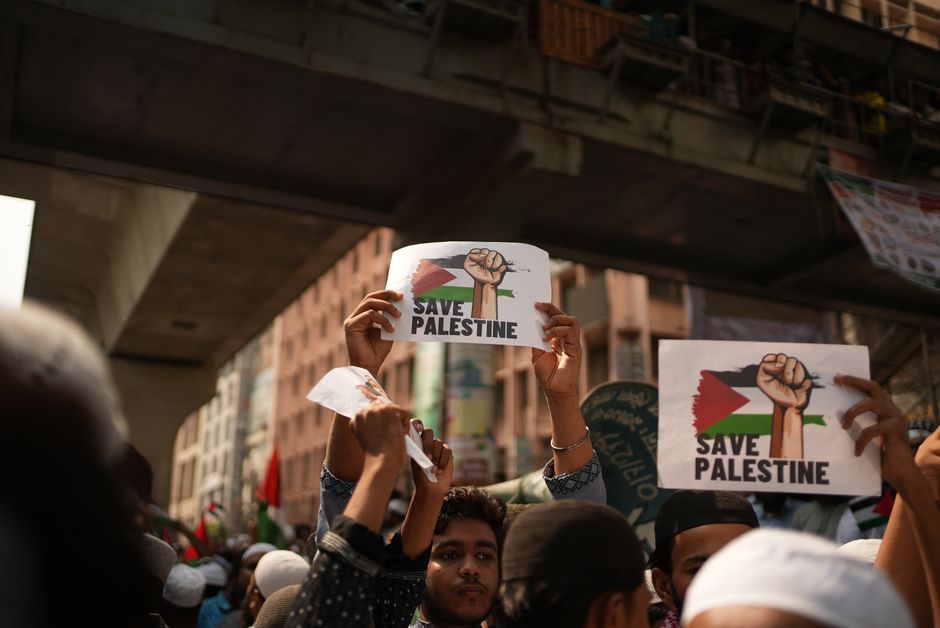
Thirdly, these photographs are integral to advocacy and political mobilization. By documenting injustices and highlighting the realities of Palestinian life, photographers aim to raise international awareness and pressure for political change. Images of protests, demonstrations, and humanitarian crises can galvanize international solidarity and support for the Palestinian cause. The visual evidence provided by photographers can be crucial in swaying public opinion and influencing policy decisions. The impact of a single powerful photograph can transcend geographical and linguistic barriers, resonating deeply with a global audience.
Fourthly, Palestinian photography plays a role in historical preservation. In the absence of official state archives or the destruction of Palestinian historical records, photographs serve as vital repositories of memory and history. They document not only the events of the conflict but also the social, cultural, and political evolution of Palestinian society over time. This archival function ensures that the experiences and heritage of Palestinians are not lost to future generations.
Key themes prevalent in Palestinian war photography include occupation and resistance. Images frequently depict the stark realities of Israeli military presence, including checkpoints, roadblocks, settlements, and incursions. Simultaneously, these images often highlight Palestinian acts of resistance, whether peaceful protests, artistic expression, or acts of defiance against perceived injustice. The juxtaposition of these elements often encapsulates the ongoing struggle for freedom and self-determination.
Another significant theme is displacement and exile. The ongoing displacement of Palestinians, from the Nakba to present-day evictions and demolitions, is a recurring motif. Photographs capture the sorrow of loss, the resilience of those living in refugee camps, and the yearning for a return to their ancestral lands. These images serve as powerful reminders of the unresolved Palestinian refugee crisis.
Daily life under duress is also a central focus. Palestinian photographers often capture the perseverance and dignity of individuals and communities navigating the challenges of daily life under occupation, blockade, or conflict. Images of families coping with scarcity, children adapting to precarious circumstances, and communities striving for normalcy amidst chaos offer a profound insight into the human spirit.
The children of Palestine are a recurring subject, their innocence often juxtaposed with the harsh realities of war. Photographs of children playing amidst ruins, participating in protests, or bearing witness to violence are particularly poignant and evoke a strong emotional response, underscoring the intergenerational impact of the conflict.
The destruction of homes and infrastructure is a grim yet vital theme. Images of bombed-out buildings, damaged homes, and destroyed livelihoods serve as stark visual evidence of the devastating impact of military actions on Palestinian communities. These photographs highlight the physical toll of the conflict and the challenges of rebuilding.
The work of individual Palestinian photographers, such as Mustafa Abu Sneineh, Hassan al-Za’anin, Rina Castelnuovo (who, while not Palestinian, has extensively documented Palestinian life and is often associated with this visual discourse), and Mohammed Badra, exemplifies the diverse perspectives and approaches within Palestinian war photography. Their work, often published by international news agencies, has brought critical attention to the Palestinian experience, contributing significantly to global understanding. The courage and dedication of these individuals, often working in dangerous conditions, are essential to the continued documentation and dissemination of these vital narratives. Their contributions are not merely journalistic; they are acts of defiance and remembrance.
The ethical considerations surrounding the publication of Palestinian war photography are complex. The potential for images to be used for propaganda, to sensationalize suffering, or to further dehumanize a population requires careful consideration. Photographers and editors grapple with the responsibility of representing traumatic events accurately and respectfully, while also ensuring that the dignity of the subjects is preserved. The debate over consent, privacy, and the potential re-traumatization of individuals through the widespread dissemination of their images is ongoing and critical. The power of visual imagery necessitates a strong ethical framework to ensure it serves as a tool for understanding and justice, rather than exploitation.
In conclusion, Palestinian photography in the context of the Israeli-Palestinian war is a critical and evolving field. It is a testament to the resilience of the Palestinian people, a powerful tool for asserting identity, a vital means of advocating for justice, and an essential archive of a history too often distorted or ignored. The images produced by Palestinian photographers offer an indispensable perspective on one of the world’s most protracted and complex conflicts, demanding that the world bear witness to their reality and engage with their ongoing struggle for self-determination and human dignity. The visual narratives woven by these photographers are not just images; they are a vital record of human experience, a testament to enduring spirit, and a crucial call for a just resolution.
