Pertamina Patra Niaga elevates consumer experience through the nationwide expansion of SPBU Signature outlets

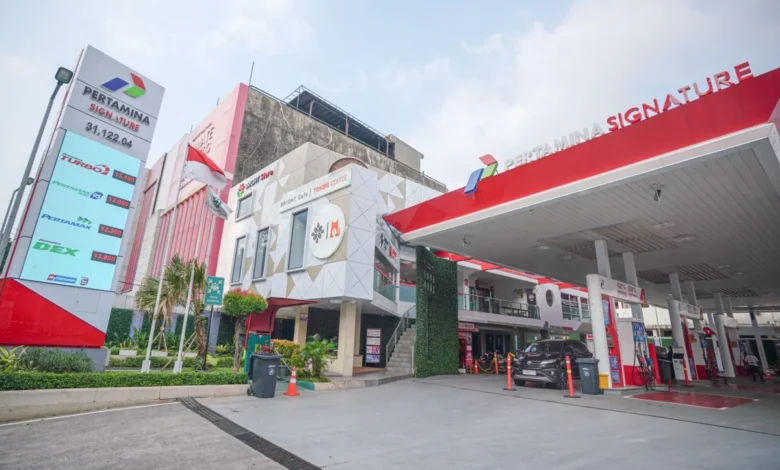
Pertamina Patra Niaga, the commercial arm of Indonesia’s state-owned energy company, is currently executing a strategic pivot in its retail operations by expanding its "SPBU Signature" network. This initiative is designed to redefine the traditional role of a petrol station, transforming it from a simple fueling stop into a multifunctional lifestyle hub. As the automotive landscape in Indonesia shifts toward higher-performance vehicles and more discerning consumer preferences, the SPBU Signature model represents a calculated effort to capture the premium market segment by offering specialized services and exclusive non-subsidized fuel products.
The SPBU Signature concept is not merely a branding exercise; it is an infrastructure upgrade aimed at enhancing service quality and operational standards. By focusing exclusively on non-subsidized fuel variants—specifically the Pertamax and Dex series—Pertamina is effectively streamlining its supply chain at these locations while catering to the growing demographic of middle-to-upper-class motorists who prioritize engine performance and environmental standards.
The Genesis and Evolution of the SPBU Signature Concept
The conceptualization of the SPBU Signature began as a pilot program aimed at addressing the increasing demand for high-end retail experiences in major urban centers. Initially launched in Pondok Indah, South Jakarta, the model was designed to serve as a flagship for what Pertamina envisions as the "future of fueling."
The project gained significant traction between 2024 and 2026. The progression from a singular pilot location to a network of over 13 stations across Jakarta, Depok, and Bogor indicates a rapid scaling strategy. Unlike standard stations, which are tasked with balancing both subsidized and non-subsidized product distributions, the Signature outlets act as premium retail points. This strategic decoupling allows staff at these locations to undergo specialized training, focusing on "interactive service," where personnel are tasked with providing concierge-like support, ranging from vehicle maintenance advice to guidance on loyalty programs and current promotional offers.
Strategic Infrastructure and Consumer Amenities
The SPBU Signature model is built upon four pillars of service: operational efficiency, cleanliness, convenience, and value-added maintenance. Each facility is mandated to meet stringent international standards for hygiene and service delivery.
1. Enhanced Hospitality and Comfort
Recognizing that modern motorists often treat service stations as transit hubs, Pertamina has integrated high-standard prayer rooms (musala) equipped with comprehensive ablution facilities. This focus on comfort extends to the restroom facilities, which have been overhauled to meet corporate hygiene standards, ensuring a stark contrast to the variable conditions often found in standard retail outlets.
2. The Integrated Retail Ecosystem
The presence of Bright Store outlets at these locations serves as the commercial anchor. These stores offer a curated selection of food, beverages, and automotive necessities. By incorporating coffee shops and designated resting areas, Pertamina is effectively competing with lifestyle retail chains. This strategy is intended to increase the "dwell time" of consumers, allowing the company to monetize the space through high-margin retail products alongside fuel sales.
3. Proactive Maintenance Services
A standout feature of the SPBU Signature model is the inclusion of basic vehicle care services, such as tire inflation with nitrogen and professional tire patching. Furthermore, the introduction of a free tire-shining service for customers meeting a specific transaction threshold—currently set at a minimum fuel purchase of Rp350,000—acts as a loyalty incentive. This creates a tangible value proposition that differentiates Signature stations from standard competitors, reinforcing the brand’s premium positioning.
Geographic Footprint and Network Coverage
As of the current reporting period in 2026, the expansion of the SPBU Signature network is concentrated in the Greater Jakarta (Jabodetabek) area. The list of operational sites includes, but is not limited to, locations in S. Parman, Sultan Iskandar Muda, Fatmawati, Cengkareng, Cideng, Pos Pengumben, Antasari, Pasar Minggu, Jenderal Ahmad Yani, Ceger, and Muara Baru.
The expansion has also reached satellite cities, including Pondok Rangon, areas in Depok, and Ciampea in the Bogor Regency. By strategically placing these stations along high-traffic corridors and affluent residential zones, Pertamina ensures that its premium products are accessible to the demographic most likely to utilize high-octane fuels like Pertamax Turbo or high-quality diesel like Dex.
Addressing the Fuel Subsidy Question
A common point of confusion among consumers is whether the transition to an SPBU Signature implies a permanent reduction in the availability of subsidized fuels like Pertalite and Bio Solar. Pertamina Patra Niaga has been clear in its communication: the SPBU Signature rollout is an upgrade, not a restriction of public access to subsidized goods.
The company emphasizes that subsidized fuel remains readily available at the thousands of other standard Pertamina stations across the country. The removal of Pertalite and Bio Solar from Signature outlets is a business decision based on the specific target market of these stations. By segmenting the market, Pertamina ensures that the operational capacity of Signature outlets is focused on high-volume, high-value transactions, thereby reducing congestion and wait times for premium fuel consumers.
Market Implications and Future Outlook
The shift toward the SPBU Signature model carries significant implications for the Indonesian downstream oil and gas sector. First, it reflects a broader global trend where fuel retailers are diversifying their revenue streams. As electric vehicle (EV) adoption grows, traditional fuel retailers must transform their physical assets into service centers to remain profitable. The SPBU Signature model serves as an important bridge in this transition, conditioning consumers to view fuel stations as "destinations" rather than mere transit points.
From a macroeconomic perspective, the focus on non-subsidized fuel reduces the fiscal burden on the state budget. By nudging consumers toward higher-grade fuels through improved service experiences, Pertamina is effectively managing the consumption patterns of the middle class, which helps in better managing the distribution of subsidized products to those who truly need them.
Furthermore, the data collected from these "Signature" outlets provides Pertamina with valuable insights into consumer behavior. The ability to monitor purchasing patterns, the effectiveness of loyalty programs, and the demand for in-store services allows the company to optimize its future capital expenditures.
Expert Perspectives and Regulatory Context
While Pertamina has not issued a formal "end-state" target for the number of Signature stations, industry analysts suggest that the model will likely be extended to other major metropolitan areas in Indonesia, such as Surabaya, Medan, and Makassar, in the coming years. This aligns with the government’s mandate for Pertamina to improve overall service quality and digitize the retail experience.
The Ministry of Energy and Mineral Resources (ESDM) has previously indicated support for such "upgrades," provided that they do not impede the supply chain for essential subsidized fuels. The regulatory environment remains focused on ensuring that while premium services expand, the energy security of the general public is never compromised.
Conclusion: A Shift in the Retail Paradigm
The SPBU Signature program is a sophisticated response to a changing market. By elevating the customer experience, focusing on premium fuel users, and integrating lifestyle amenities, Pertamina Patra Niaga is repositioning itself as a modern, consumer-centric energy provider.
As the project continues to evolve through 2026 and beyond, the focus will likely shift from initial implementation to optimizing the digital integration of these services. For the Indonesian motorist, the SPBU Signature offers more than just a full tank of fuel; it provides a reliable, high-quality service experience that reflects the modernization of the country’s retail energy landscape. Consumers are encouraged to utilize the official Pertamina digital channels and mobile applications to track the availability of these premium services, as the network is expected to grow in response to market demand and strategic business assessments.
Related posts: