BPH Migas Oversees Accelerated Fuel Distribution Normalization in North Sumatra, Queue Lengths Subside

The Indonesian Downstream Oil and Gas Regulatory Agency (BPH Migas) is actively monitoring and facilitating Pertamina Patra Niaga Regional North Sumatra’s accelerated efforts to normalize fuel distribution, leading to a noticeable decrease in queues at fuel stations, particularly in Medan and surrounding areas. This intervention comes after a period of strain on fuel supply chains that impacted the daily lives of residents.
Intensified Distribution Efforts Yield Positive Results
Pertamina Patra Niaga Regional North Sumatra has implemented a multi-pronged strategy to address the distribution challenges. A significant increase of approximately 35% in the capacity of the fuel tanker fleet, including the deployment of additional drivers (Awak Mobil Tangki), has been a cornerstone of these efforts. This surge in operational capacity is designed to expedite the delivery of essential fuel products.
Furthermore, the company has optimized its supply chain by rerouting and augmenting fuel shipments. This includes leveraging the Fuel Terminal Siantar, Fuel Terminal Kisaran, and the Integrated Terminal Lhokseumawe to ensure a more robust inflow of fuel. A critical component of this strategy has been the maximization of fuel reception and distribution through the Medan Group Fuel Terminal facilities in Labuhan Deli.
These coordinated actions have resulted in a substantial increase in fuel distribution to fuel stations, reaching between 120% and 125% of normal operational levels. This elevated supply aims to replenish stocks and meet the heightened demand, thereby alleviating the pressure on consumers.
Assurance of Sufficient Stock and Strategic Supply Reinforcement
During an inspection at the Fuel Terminal Medan Group, the Head of BPH Migas, Wahyudi Anas, provided an assessment of the current fuel stock situation in North Sumatra. He affirmed that the region’s fuel reserves are currently in a stable and secure condition. The supply chain has been further strengthened following the completion of unloading operations for two vessels carrying both Specific Fuel Types (Jenis BBM Tertentu – JBT) Solar (diesel) and Assigned Special Fuel Types (Jenis BBM Khusus Penugasan – JBKP) Pertalite.
"Therefore, with the daily routines of the community, God willing, we can alleviate the queues at the fuel stations spread across the North Sumatra region," Wahyudi stated, expressing confidence in the measures taken.
Wahyudi elaborated on the significance of the increased supply, characterizing the 120-125% surge as a deliberate acceleration initiative aimed at rapidly restoring normal service levels at fuel stations. He emphasized that this increase, from a previous level of 112%, represents the most effective strategy to address the public’s concern over fuel station queues.
Evidence of Normalization and Continuous Monitoring
Data gathered from BPH Migas’s joint monitoring with Pertamina Patra Niaga (PPN) on Friday afternoon, July 17th, indicated a marked improvement in the situation. By 5:45 PM Western Indonesian Time (WIB), queues at most fuel stations in Medan city had significantly diminished, with reports of only two to three vehicles waiting, nearing a state of no queue. BPH Migas reiterated its commitment to ongoing monitoring to ensure the swift and complete normalization of fuel distribution across North Sumatra.
Analysis of Distribution Efficiency: Beyond Quota Limitations
Fathul Nugroho, a Member of the BPH Migas Committee, offered a more detailed analysis, highlighting that the realization of solar fuel distribution in Sumatra up to July 14, 2026, remained below the national average. A similar trend was observed for Pertalite distribution in North Sumatra. This data point is crucial as it suggests that the issues encountered were not due to limitations in allocated quotas.
"The realization (of solar and Pertalite) is still below the national average realization, meaning there are no constraints from the perspective of the established quotas," Fathul explained.
This finding directs the focus of evaluation towards the operational aspects of distribution. Fathul stressed the necessity of strengthening early warning systems and implementing comprehensive monitoring of the distribution fleet. Such measures, he argued, would enable faster anticipation and mitigation of potential bottlenecks. He underscored the importance of maintaining the quality of public service to ensure that communities receive optimal fuel distribution services.
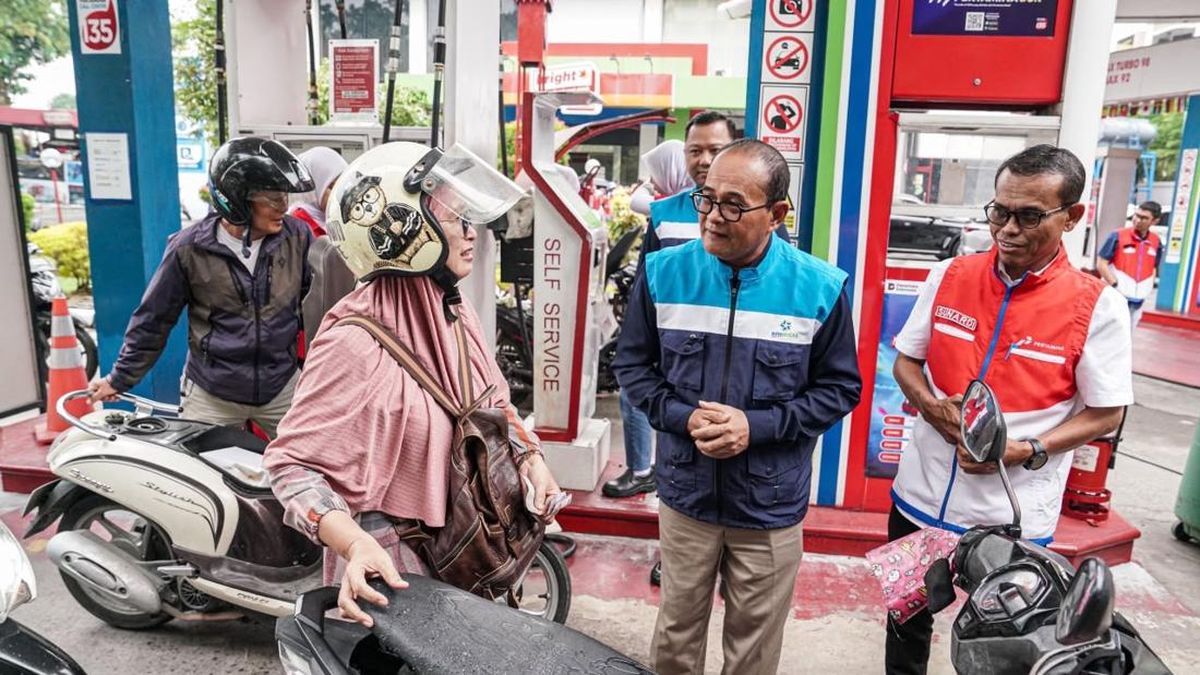
"These are operational, distribution operational issues. There needs to be a kind of early warning system. Additionally, all fleets should be visible in the monitoring, whether on the road or at fuel stations. These problems must be resolved immediately," Fathul urged.
Pertamina’s Commitment to 24/7 Operations and Public Feedback
Sunardi, Executive General Manager of Pertamina Patra Niaga Regional Sumbagut, confirmed that operations at the Fuel Terminal Medan Group are proceeding smoothly and will be optimized for 24-hour service to guarantee the fulfillment of the public’s fuel needs. Between July 14th and 16th, 2026, average daily fuel distribution to fuel stations exceeded 6,000 kiloliters (KL). This increased volume is specifically intended to bolster fuel stocks at the station level, facilitating a quicker return to normal service.
"Hopefully, this increase in distribution can add to the stock at fuel stations, enabling the resolution of queues that are still occurring," Sunardi stated.
Beyond operational enhancements, Pertamina Patra Niaga Regional Sumbagut and BPH Migas have also conducted direct field inspections at various fuel stations in Medan. These on-site assessments have confirmed that the distribution of solar and Pertalite is proceeding without significant issues, with continuous refueling ensuring adequate stock availability and optimal service delivery to the public.
The tangible improvements in fuel availability have been positively received by the community. Samsuri (60), an online motorcycle taxi driver in Medan, shared his experience of the significantly improved fuel filling process. "To the public, a few days ago I urged patience due to some difficulties. Now it’s excellent and smooth. I’ve experienced it firsthand," he said.
Similarly, Hasbi (23), a truck driver, noted a considerable reduction in waiting times for fuel. "Thank you to the government. Fuel in North Sumatra is now flowing smoothly," Hasbi expressed.
Background and Broader Implications
The recent fuel distribution challenges in North Sumatra, particularly in Medan, highlight the critical importance of a robust and resilient fuel supply chain. While specific triggers for the disruption were not detailed in the initial reports, such events often stem from a confluence of factors including increased demand, logistical disruptions, seasonal variations in consumption, or unforeseen operational issues within the distribution network.
The proactive intervention by BPH Migas, working in tandem with Pertamina, underscores the regulatory body’s role in ensuring energy security and public welfare. The swift response and transparency in communication are vital for maintaining public confidence.
The successful normalization of distribution in North Sumatra serves as a case study for effective crisis management in the energy sector. The focus on enhancing fleet capacity, optimizing terminal operations, and implementing advanced monitoring systems offers valuable lessons for other regions facing similar logistical hurdles.
The economic implications of fuel shortages, even temporary ones, can be far-reaching, impacting transportation costs, business operations, and household budgets. The swift resolution of these issues, therefore, is not just a matter of convenience but also of economic stability for the region. The positive feedback from ordinary citizens like Samsuri and Hasbi indicates that the measures taken have directly addressed their concerns and restored a sense of normalcy.
Moving forward, the continued emphasis on an "early warning system" and comprehensive fleet monitoring, as advocated by Fathul Nugroho, will be crucial in preventing future disruptions. This proactive approach, combined with the demonstrated capacity for rapid response, positions North Sumatra to better manage its fuel supply in the long term. The commitment to 24/7 operations by Pertamina further solidifies the resolve to maintain uninterrupted service.
Related posts: