Silver: A Strategic Investment Amidst Technological Advancement and Shifting Market Dynamics

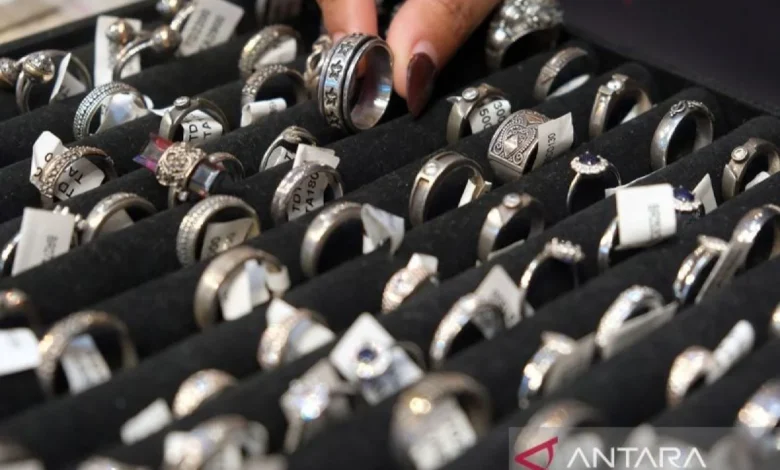
Beyond its glittering allure, silver stands as a distinguished precious metal, commanding significant strategic value as an investment instrument. Its growing popularity is intrinsically linked to an increasing public awareness of its future profitability potential. For investors eyeing this opportunity, acquiring silver can be facilitated through various official channels, including reputable financial institutions and accredited precious metal vendors.
Understanding Silver: More Than Just a Precious Metal
Historically and intrinsically, silver possesses unique characteristics that elevate it beyond mere aesthetic appeal. Known for its lustrous, metallic gray hue, silver is not only a visually captivating element but also a valuable asset with considerable economic worth and exceptionally high conductivity. Its malleability and ductility make it an indispensable component in global trade and various industrial sectors.
The historical significance of silver is profound. It has served as a medium of exchange since ancient times and was once a symbol of opulence and status, adorning the jewelry and household items of nobility. In the contemporary era, marked by rapid digitalization, silver has evolved into a highly liquid and strategically vital financial asset.
The accelerating pace of technological innovation, particularly in the development of smart devices and robotics, has spurred a substantial increase in the demand for silver. This surge in industrial consumption is a primary driver behind the escalating interest in silver as an investment. Projections indicate that this trend is likely to persist, fueled by the world’s increasing reliance on future technological advancements. The unique properties of silver, such as its superior electrical conductivity and thermal conductivity, make it critical for components in smartphones, electric vehicles, solar panels, and advanced medical equipment. As these industries continue to expand, so too will the demand for silver.
Navigating Investment-Grade Silver: Purity is Paramount
For both seasoned and novice investors, a fundamental understanding of silver’s forms and purity is crucial when considering investment strategies. Not all silver is created equal in the investment realm. The most widely recommended investment vehicles are typically in the form of pure silver, often referred to as "fine silver." This includes silver in bullion bars, coins, and grains, all boasting a purity level of 99.9%. This high degree of purity makes fine silver exceptionally valuable as an investment asset, as its value is directly tied to the inherent worth of the metal itself, with minimal alloy content.
However, it is important to note that the high concentration of pure silver, devoid of significant alloy metals, results in a relatively soft texture that can be susceptible to scratching. This characteristic explains why fine silver is rarely used in its pure form for jewelry production, where durability is a key consideration.
The silver commonly encountered in jewelry is typically an alloy, mixed with other metals like copper or nickel to enhance its strength and longevity. This form is known as sterling silver, which generally possesses a purity of around 92.5%. While sterling silver jewelry can be collected and may hold some value, its investment potential is generally considered lower than that of fine silver bars or coins. This is due to factors such as manufacturing costs, design premiums, and the inherently lower purity compared to investment-grade silver. Therefore, the principle holds true: the higher the purity of the silver, the more ideal it is as an investment. For long-term investment objectives, both gold and silver in the form of bullion (bars) are generally advised over jewelry.
This is not to say that silver jewelry cannot be an investment, but rather that its value proposition for pure capital appreciation is often diminished compared to its purer counterparts. The intrinsic value of the silver content is diluted by labor, design, and the presence of other metals.
Investment Avenues: Bars vs. Coins and the Role of Digitalization
When embarking on a silver investment journey, prospective investors have two primary methods to consider:
Silver Bullion Bars
Silver bars are the cornerstone of many precious metal investment portfolios. They are typically manufactured by refiners and come in various sizes, from small, easily manageable weights to larger, more substantial bars. The appeal of silver bars lies in their straightforward valuation, directly tied to the prevailing market price of silver, adjusted for a small premium over the spot price to account for manufacturing and assaying. Their uniformity and the absence of intricate designs or craftsmanship typically mean lower premiums over the spot price, making them a cost-effective way to acquire pure silver. For investors prioritizing long-term value preservation and ease of storage, bars are often the preferred choice. The clarity of their weight and purity, usually stamped on the bar itself, provides a clear benchmark for valuation.
Silver Coins
Silver coins, particularly those minted by sovereign governments, also represent a popular investment option. These coins are often produced to high purity standards, akin to fine silver bullion. Examples include the American Silver Eagle, Canadian Maple Leaf, and the Australian Kangaroo. While they carry a similar intrinsic value based on their silver content, collectible silver coins, especially those with numismatic value due to their rarity, historical significance, or condition, can command a premium above the melt value of the silver. This numismatic premium introduces an additional layer of complexity to their valuation, making them potentially attractive to a different segment of investors who appreciate both the metal content and the collectible aspect. However, for investors solely focused on the intrinsic value of silver, pure bullion coins or bars are often a more direct route.
In the evolving financial landscape, digital investment avenues for silver are also emerging. These can include silver-backed Exchange Traded Funds (ETFs), which allow investors to gain exposure to the price movements of silver without the need for physical ownership. While these offer convenience and liquidity, they also introduce counterparty risk and management fees, which are not present with physical bullion. The choice between physical and digital silver investments ultimately depends on an individual’s risk tolerance, investment goals, and preference for tangible assets versus paper instruments.
The Dominance of High-Purity Bullion for Long-Term Stability
In the selection of an investment asset, silver bullion with a high purity level remains the benchmark for investors seeking long-term value stability. The purity directly correlates with the intrinsic value of the metal, minimizing external factors that could influence its worth. This makes it a reliable hedge against inflation and economic uncertainty.
Analyzing the Implications: Industrial Demand and Geopolitical Factors
The increasing demand for silver driven by technological advancements has profound implications for the global market. As industries like renewable energy, electric vehicles, and advanced electronics continue to expand, the baseline demand for silver is expected to remain robust. This industrial underpinning provides a strong support for silver prices, differentiating it from commodities that are primarily driven by speculative interest.
Geopolitical events can also influence silver prices. Like gold, silver is often considered a safe-haven asset during times of economic or political instability. Investors may flock to precious metals as a store of value when traditional financial markets become volatile. Therefore, understanding the broader economic and political climate is essential for a comprehensive investment strategy.
The supply side of the silver market is also a critical factor. While silver is often mined as a byproduct of copper, lead, and zinc extraction, a significant portion of global silver production comes from dedicated silver mines. Fluctuations in mining output, labor strikes, or regulatory changes in major producing countries can impact supply and, consequently, prices. The recycling of silver from industrial applications and electronic waste also contributes to the overall supply, though this is often a more volatile source.
Historical Trends and Future Outlook
Historically, silver’s price movements have often mirrored those of gold, though with greater volatility. The gold-to-silver ratio, which indicates how many ounces of silver are needed to purchase one ounce of gold, is a widely watched metric. A high ratio can suggest that silver is undervalued relative to gold, potentially signaling a buying opportunity. Conversely, a low ratio might indicate that silver is relatively expensive.
Looking ahead, analysts suggest that the dual drivers of industrial demand and its role as a safe-haven asset position silver for continued growth. The ongoing digital transformation and the global push towards sustainable technologies are expected to maintain a strong, consistent demand for silver. Furthermore, as inflation concerns persist in various economies, silver’s inherent value and historical performance as an inflation hedge will likely attract further investor attention.
The market for silver is dynamic, influenced by a complex interplay of industrial needs, investment sentiment, and global economic conditions. Investors are encouraged to conduct thorough research, understand the various forms of silver available for investment, and consider consulting with financial advisors to align their silver investment strategy with their overall financial objectives. The intrinsic value, industrial utility, and historical significance of silver collectively contribute to its enduring appeal as a strategic asset in the modern investment landscape.
The insights provided in this analysis are intended to offer a comprehensive overview of silver as an investment, drawing on its intrinsic qualities, market dynamics, and future potential, while underscoring the importance of informed decision-making for potential investors.
Further Reading:
- Ketahui keuntungan dan kekurangan berinvestasi perak (Understand the advantages and disadvantages of investing in silver)
- Ingin coba investasi perak? Simak tips dan caranya untuk pemula (Want to try investing in silver? Read tips and how-tos for beginners)
- Investasi emas atau perak, mana yang aman untuk jangka panjang? (Gold or silver investment, which is safe for the long term?)
Related posts: