
Pumpkin Oatmeal Chocolate Chip Cookies
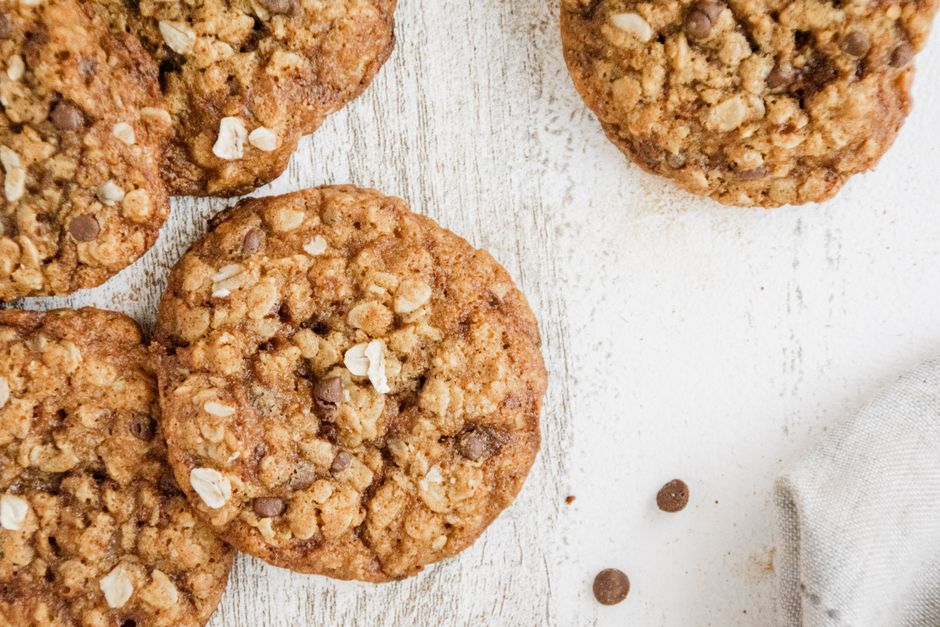
Pumpkin Oatmeal Chocolate Chip Cookies: A Comprehensive Guide to Flavor, Texture, and Perfect Baking
The union of sweet, earthy pumpkin and warming spices with hearty oats and decadent chocolate chips creates a truly exceptional cookie. Pumpkin oatmeal chocolate chip cookies offer a delightful textural contrast, from the chewy oats and soft pumpkin puree to the melty pockets of chocolate. This recipe is not just a dessert; it’s a celebration of autumn flavors and a testament to the power of simple ingredients combined with careful technique. Mastering this cookie involves understanding the role of each component, from the fat content to the leavening agents, and how they interact to produce a superior outcome. This comprehensive guide will delve into every aspect of creating the perfect pumpkin oatmeal chocolate chip cookie, ensuring consistent, delicious results for bakers of all levels.
The Foundation: Pumpkin and its Impact on Texture and Flavor
Pumpkin puree is the star ingredient that lends these cookies their signature flavor and contributes significantly to their unique texture. It’s crucial to use 100% pure pumpkin puree, not pumpkin pie filling, which is pre-sweetened and spiced, leading to an unbalanced flavor profile and unpredictable results. The moisture content in pumpkin puree is higher than in traditional cookie recipes, which necessitates adjustments in other ingredients, particularly flour and fat, to prevent a gummy or overly wet dough. This moisture is what contributes to the characteristic chewiness of pumpkin cookies. When pumpkin bakes, its natural sugars caramelize, deepening the flavor and adding a subtle sweetness that complements the spices. The earthy notes of pumpkin are inherently autumnal, making these cookies a seasonal favorite. However, it’s important to note that not all pumpkin purees are created equal. Some commercial brands can be stringier or have a more watery consistency. Draining excess liquid from the pumpkin puree, by either letting it sit in a fine-mesh sieve for an hour or by gently pressing it between paper towels, can be a beneficial step for achieving optimal dough consistency. This step is particularly important if you live in a humid climate or notice your puree seems unusually wet. The reduction of excess moisture will prevent the cookies from spreading too much and ensure a more concentrated pumpkin flavor.
The Hearty Backbone: Oats and their Textural Contribution
Oats are another defining element of this cookie, providing structure, chewiness, and a pleasing nutty undertone. Rolled oats (also known as old-fashioned oats) are generally preferred for this recipe. Their larger size and thicker texture hold their shape during baking, contributing to a substantial chew. Quick oats or instant oats, due to their smaller, more processed nature, can break down too much, resulting in a softer, almost mushy cookie. Steel-cut oats are too hard and will not soften sufficiently during the short baking time. The fiber content in oats also absorbs moisture, further aiding in achieving a desirable chewy texture and preventing excessive spread. Beyond texture, oats contribute a wholesome, slightly savory element that balances the sweetness of the sugar and chocolate. The way oats are incorporated can also impact the final cookie. Some recipes call for toasting the oats beforehand, which can enhance their nutty flavor and add a subtle crunch. However, for a softer, chewier cookie, un-toasted oats are perfectly acceptable and often preferred. The ratio of oats to flour is a critical consideration. Too many oats can lead to a dry, crumbly cookie, while too few will diminish the characteristic oatmeal cookie texture.
The Sweet Indulgence: Chocolate Chips and Flavor Enhancements
No chocolate chip cookie is complete without the star: chocolate chips. For pumpkin oatmeal chocolate chip cookies, semi-sweet chocolate chips are a classic choice, offering a balanced sweetness that doesn’t overpower the pumpkin and spice. Dark chocolate chips provide a more intense chocolate flavor and a pleasant bitterness that cuts through the sweetness. Milk chocolate chips will result in a sweeter, creamier cookie. The choice is largely a matter of personal preference. Beyond chocolate chips, other flavor enhancers play a vital role. The warm spices – cinnamon, nutmeg, ginger, and cloves – are essential to the autumnal profile of these cookies. A generous hand with these spices is recommended to truly capture the essence of pumpkin pie flavors. Vanilla extract provides a foundational sweetness and depth, while a touch of allspice can add an extra layer of complexity. Some bakers also incorporate a pinch of black pepper, which, surprisingly, can amplify the other spices and add a subtle warmth without being overtly peppery.
The Science of Structure: Flour, Fat, and Leavening
The type and amount of flour significantly influence the cookie’s structure and texture. All-purpose flour is the standard for a reason; its moderate protein content creates a balance between tenderness and chewiness. Too much flour will result in a dry, cakey cookie, while too little will lead to excessive spread and a greasy texture. The fat used in cookie dough – typically butter – plays a crucial role in both flavor and texture. Unsalted butter is preferred, allowing for precise control over the salt content. The creaming of butter and sugar is a critical step. This process incorporates air into the dough, which contributes to leavening and creates a lighter, more tender cookie. Melted butter, on the other hand, results in a denser, chewier cookie, and can sometimes lead to more spread. For pumpkin oatmeal chocolate chip cookies, a combination of softened butter (for creaming) and the moisture from the pumpkin puree creates an ideal chewy texture. Leavening agents, such as baking soda and baking powder, are essential for achieving the right lift and spread. Baking soda, an alkaline ingredient, reacts with acidic components in the dough (like brown sugar and, to some extent, pumpkin) to produce carbon dioxide gas, causing the cookies to spread and brown. Baking powder contains both an acid and a base, providing a double-acting leavening boost. The careful balance of these leavening agents is crucial; too much can cause the cookies to puff up and then collapse, while too little will result in flat, dense cookies. The salt content in the dough is not merely for taste; it also enhances the flavors of the other ingredients and can even help to control the spread of the cookies by strengthening the gluten structure.
The Art of Dough Creation: Mixing Techniques for Optimal Results
The order in which ingredients are combined and the method of mixing are paramount to successful cookie baking. The creaming of softened butter with sugar is the first critical step. This process should be thorough, resulting in a light and fluffy mixture. Over-creaming can incorporate too much air, leading to a cookie that spreads too much, while under-creaming will result in a denser, less tender cookie. Once the wet ingredients, including pumpkin puree, eggs, and vanilla, are incorporated, it’s important not to overmix. Overmixing at this stage can develop the gluten in the flour too much, leading to tough cookies. Gradually adding the dry ingredients (flour, leavening agents, spices, and salt) to the wet ingredients and mixing just until combined is key. For the oats and chocolate chips, they are typically added last, and the mixing should be done gently to avoid breaking the oats and to ensure even distribution of the chocolate chips. Chilling the dough is often a recommended step, especially for recipes with higher moisture content like pumpkin oatmeal chocolate chip cookies. Chilling allows the fats to solidify, which slows down spread during baking, resulting in thicker, chewier cookies with more defined edges. It also allows the flavors to meld and deepen. A minimum of 30 minutes is usually sufficient, but longer chilling times (up to 2-3 days) can further enhance the flavor and texture.
Baking to Perfection: Temperature, Time, and Cooling
Oven temperature is a critical factor in cookie baking. A preheated oven ensures that the cookies start baking immediately and evenly. For pumpkin oatmeal chocolate chip cookies, a moderate oven temperature, typically around 350°F (175°C), is ideal. Too high a temperature will cause the edges to burn before the center is cooked, while too low a temperature will lead to excessive spread and pale cookies. Baking time will vary depending on the size of the cookies and the oven. It’s essential to watch for visual cues: the edges should be set and lightly golden brown, while the centers should still appear slightly soft and underdone. They will continue to cook as they cool on the baking sheet. Overbaking is a common mistake that leads to dry, hard cookies. The cooling process is just as important as the baking. Allowing the cookies to cool on the baking sheet for a few minutes after removing them from the oven allows them to firm up. Then, they should be transferred to a wire rack to cool completely. This prevents the bottoms from becoming soggy from trapped steam.
Troubleshooting Common Issues: Achieving Consistent Results
Several common issues can arise when baking pumpkin oatmeal chocolate chip cookies. If cookies are spreading too much, the dough might be too warm, the oven temperature too low, or there might be too much fat or not enough flour. Ensuring the dough is properly chilled and the oven is accurately preheated can mitigate this. If cookies are too cakey, it could be due to too much flour, overmixing the dough, or overbaking. Conversely, if cookies are too dense and hard, it might be due to underbaking, too much flour, or insufficient leavening. Gummy cookies often result from too much moisture from the pumpkin puree or underbaking. Dry, crumbly cookies are usually a sign of too much flour, overbaking, or not enough fat. Paying close attention to ingredient measurements, mixing techniques, and baking cues is the best way to troubleshoot and consistently achieve delicious results. For example, if your pumpkin puree consistently seems very watery, investing in a good quality brand or implementing a more rigorous draining process will become a standard practice for your baking. Similarly, if your cookies consistently spread too much, increasing the chilling time of the dough or slightly reducing the fat content in your next batch can help.
Storage and Enjoyment: Preserving Freshness and Flavor
Once baked to perfection, proper storage is key to maintaining the freshness and flavor of pumpkin oatmeal chocolate chip cookies. They should be allowed to cool completely before being stored. Storing them in an airtight container at room temperature is ideal for up to 3-4 days. For longer storage, they can be frozen. Individually wrap cooled cookies in plastic wrap and then place them in a freezer-safe bag or container. Frozen cookies can last for up to 3 months. Thaw them at room temperature or gently reheat them in a low oven for a few minutes to revive their texture. Enjoying these cookies warm with a glass of milk or a cup of coffee is a quintessential autumn experience. The interplay of the spiced pumpkin, hearty oats, and rich chocolate creates a symphony of flavors and textures that is both comforting and indulgent.
