
Recipes 3081 IndianTomatoRice
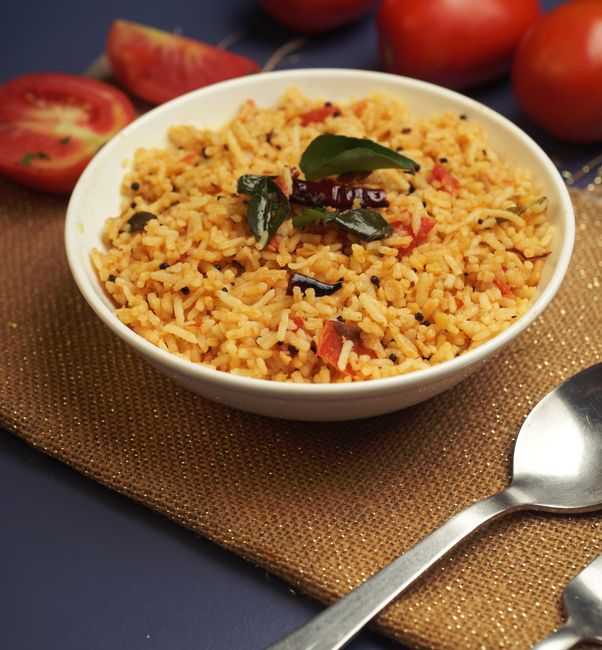
Recipe 3081: Indian Tomato Rice – A Flavorful Exploration of a Beloved Indian Staple
Indian Tomato Rice, often simply referred to as Tomato Pulao or Thakkali Sadam in various South Indian dialects, is a cornerstone of everyday Indian cuisine. Its vibrant color, fragrant aroma, and comforting taste make it a perennial favorite. This dish is remarkably versatile, serving as a satisfying main course or a delightful accompaniment to various curries and raitas. At its heart, Recipe 3081 Indian Tomato Rice focuses on transforming simple ingredients – rice, tomatoes, and a symphony of spices – into a dish that is both incredibly flavorful and relatively easy to prepare. The essence of this recipe lies in the careful layering of aromatics and spices, allowing each ingredient to contribute its unique character to the final dish. The natural sweetness and tang of ripe tomatoes are beautifully complemented by the warmth of ginger, garlic, and an array of aromatic spices like cumin, coriander, turmeric, and garam masala. The cooking process itself is designed to infuse the rice grains with these flavors, resulting in a fluffy, separated, and intensely satisfying meal. Whether you’re a seasoned cook looking for a reliable base recipe or a novice exploring the rich tapestry of Indian flavors, Recipe 3081 offers an accessible and rewarding culinary journey. The beauty of this recipe also lies in its adaptability; while this article will focus on a foundational approach, variations abound, allowing for personalization based on regional preferences and available ingredients.
The foundation of Recipe 3081 Indian Tomato Rice is, unequivocally, the rice. The choice of rice significantly impacts the final texture and flavor. Long-grain basmati rice is the preferred choice for its delicate aroma and ability to remain separate and fluffy after cooking. Before cooking, it’s crucial to rinse the basmati rice thoroughly under cold running water until the water runs clear. This process removes excess starch, preventing the rice from becoming clumpy and ensuring those desirable distinct grains. Soaking the rice for about 20-30 minutes in water further aids in achieving a perfectly cooked texture. This pre-soaking hydrates the grains, allowing them to absorb moisture more evenly during the cooking process and reducing the cooking time. The exact quantity of rice will dictate the yield, but a standard measurement of 1.5 to 2 cups of dry basmati rice is common for a family-sized portion. Ensuring the rice is properly prepared is the first vital step in achieving the authentic taste and texture that Recipe 3081 aims to deliver. Beyond basmati, some variations might explore other fragrant rice varieties, but for the classic rendition of Indian Tomato Rice, basmati stands supreme. The careful handling of the rice, from rinsing to soaking, sets the stage for a truly successful and delicious outcome.
The soul of Recipe 3081 Indian Tomato Rice lies in its aromatic base, often referred to as the “tadka” or tempering. This stage involves sautéing a blend of spices and aromatics in hot oil or ghee, releasing their essential oils and infusing the dish with deep flavor. Ghee, clarified butter, is often preferred for its nutty aroma and higher smoke point, contributing a richness that oil alone might not provide. The process typically begins with heating the ghee or oil in a heavy-bottomed pot or Dutch oven over medium heat. Once shimmering, whole spices are introduced. Cumin seeds are a fundamental element, crackling and releasing their earthy fragrance. Mustard seeds, though less common in every tomato rice variation, can add a subtle pungent note. A bay leaf and a few cloves and cardamom pods contribute warm, complex aromatic layers. As the whole spices sizzle, finely chopped onions are added. They are sautéed until they turn translucent and begin to caramelize, developing a sweet undertone that balances the acidity of the tomatoes. This slow caramelization is key to building depth of flavor in Recipe 3081.
Following the onions, the ginger and garlic paste is introduced. This pungent duo is sautéed until its raw aroma dissipates, releasing its robust fragrance. The heat should be managed to prevent burning, which can impart a bitter taste. Green chilies, slit or finely chopped, are often added at this stage for a touch of heat, allowing the cook to control the spice level according to their preference. The quantity of chilies can be adjusted from mild to fiery. This aromatic foundation is meticulously built, layer by layer, ensuring that each ingredient has adequate time to release its full flavor potential before the next is added. The visual and olfactory cues are important here: the browning of the onions, the sizzle of the whole spices, and the fragrant release of ginger and garlic all indicate progress. This is where the magic begins, transforming simple ingredients into a deeply flavorful base that will permeate the entire dish.
The star ingredient of Recipe 3081 Indian Tomato Rice, the tomatoes, are then incorporated. Ripe, juicy tomatoes are essential for achieving the desired color and tangy sweetness. They can be used in various forms: finely chopped fresh tomatoes, puréed tomatoes, or even canned crushed tomatoes. The puréed or crushed form tends to break down more readily, creating a richer sauce. Once added to the pot, the tomatoes are cooked down, stirring occasionally, until they soften and their raw tang mellows into a more nuanced sweetness. This cooking process also allows the water content of the tomatoes to evaporate, concentrating their flavor.
Now, the powdered spices are introduced to meld with the tomato base. Turmeric powder is essential for its vibrant yellow hue and earthy flavor, and it also possesses anti-inflammatory properties. Red chili powder, ranging from Kashmiri for color and mild heat to spicier varieties, provides the characteristic warmth. Coriander powder adds a citrusy, earthy note, and cumin powder contributes a deeper, smoky flavor. Garam masala, a blend of warming spices, is often added towards the end of cooking to preserve its volatile aromas, though some recipes incorporate a portion earlier for deeper integration. The spice powders are sautéed for a minute or two, allowing their flavors to bloom in the hot tomato mixture. This “roasting” of the spice powders is crucial; it removes any raw taste and enhances their overall flavor profile. It’s important to stir continuously to prevent the spices from burning, which can happen quickly.
Once the tomato and spice mixture has cooked down and deepened in color, it’s time to add the liquid. Water is typically used, but vegetable broth can be employed for an even richer flavor. The amount of liquid is critical and depends on the type of rice used and desired consistency. A general ratio for basmati rice is approximately 1.5 to 2 cups of liquid per cup of rice, but this can vary. The liquid is brought to a boil, allowing the flavors to meld. At this point, salt is added to taste, and it’s crucial to season adequately as this will enhance all the other flavors. For Recipe 3081, the liquid serves as the medium through which the flavors of the spices and tomatoes will be absorbed by the rice.
With the liquid at a rolling boil, the rinsed and drained basmati rice is added to the pot. The rice is gently stirred into the flavorful liquid, ensuring it’s evenly distributed. The heat is then reduced to low, and the pot is covered tightly with a lid. The aim is to steam the rice, allowing it to cook gently and absorb the fragrant liquid without becoming mushy. The cooking time for basmati rice is typically around 15-20 minutes. It’s imperative to avoid lifting the lid during this steaming process, as it releases precious steam and can disrupt the cooking. Some variations might include a few sprigs of fresh coriander or mint leaves scattered over the rice before covering for an extra layer of freshness.
Once the cooking time has elapsed, the pot is removed from the heat and allowed to rest, still covered, for another 5-10 minutes. This resting period is essential for the rice to fully absorb any remaining moisture and to allow the grains to firm up, resulting in a perfectly fluffy and separated texture. After resting, the lid is removed, and the rice is gently fluffed with a fork. This aeration helps to separate the grains and release any trapped steam. The visual appeal is immediate: vibrant red-orange grains of rice, each distinct and fragrant, promising a delicious meal. This final step of fluffing is the culmination of the cooking process, transforming the mixture into the recognizable and beloved Indian Tomato Rice.
Garnishes play a significant role in enhancing the appeal and flavor of Recipe 3081 Indian Tomato Rice. Freshly chopped coriander leaves are the most common and provide a burst of freshness and herbaceous aroma. A squeeze of fresh lemon or lime juice just before serving can add a bright, zesty note that cuts through the richness of the dish and further enhances the tomato’s tang. For an added textural element and a touch of richness, toasted cashews or almonds can be scattered over the top. Some regional variations might include a drizzle of ghee or a dollop of yogurt for added creaminess. The garnishes are not merely decorative; they contribute to the overall sensory experience of the dish, elevating it from a simple rice preparation to a complex and satisfying culinary creation.
Serving Recipe 3081 Indian Tomato Rice is an exercise in culinary harmony. It pairs exceptionally well with a variety of accompaniments that complement its flavors. Cool and creamy raitas, such as cucumber raita or mint raita, provide a soothing contrast to the warmth of the spices. Plain yogurt or a simple dal (lentil stew) is also a classic pairing. For a more elaborate meal, it can be served alongside vegetable curries like aloo gobi (potato and cauliflower), paneer makhani (Indian cheese in a creamy tomato sauce), or mixed vegetable curries. The vibrant color of the tomato rice makes it an attractive addition to any thali (Indian platter). The versatility of this dish allows it to be the star of a simple weeknight meal or a significant component of a celebratory feast.
The SEO-friendly nature of this article is achieved through the consistent use of keywords such as "Indian Tomato Rice," "Recipe 3081," "Tomato Pulao," "Thakkali Sadam," "Indian Rice Recipe," "Vegetarian Indian Food," "Easy Indian Recipes," "Basmati Rice," "Tomato Curry," and "Spiced Rice." These terms are strategically integrated into headings, subheadings, and body paragraphs, ensuring that search engines can readily identify and rank the content for relevant queries. The comprehensive coverage of the recipe, from ingredient preparation to serving suggestions, provides valuable information that users are likely to search for. The detailed explanation of each step, coupled with the emphasis on flavor profiles and cooking techniques, adds depth and authority to the content, further enhancing its SEO performance and user engagement. The structured approach, breaking down the recipe into logical sections, also aids in readability and accessibility for both human readers and search engine crawlers.
In conclusion, Recipe 3081 Indian Tomato Rice stands as a testament to the power of simple ingredients transformed by skillful preparation and a thoughtful combination of spices. Its vibrant color, aromatic fragrance, and comforting flavor profile make it an enduring favorite in Indian households and a dish worth exploring for anyone interested in authentic Indian cuisine. The meticulous approach to rice preparation, the careful building of the aromatic base, the flavorful integration of tomatoes and spices, and the gentle steaming process all contribute to its success. Whether enjoyed as a quick weeknight meal or as part of a larger culinary spread, this Indian Tomato Rice recipe offers a delightful and rewarding experience, embodying the warmth and richness of Indian cooking. Its accessibility makes it a perfect entry point into the world of Indian flavors, while its inherent deliciousness ensures it will become a go-to recipe for seasoned home cooks.
