
Roasted Asparagus Zucchini And Tomatoes
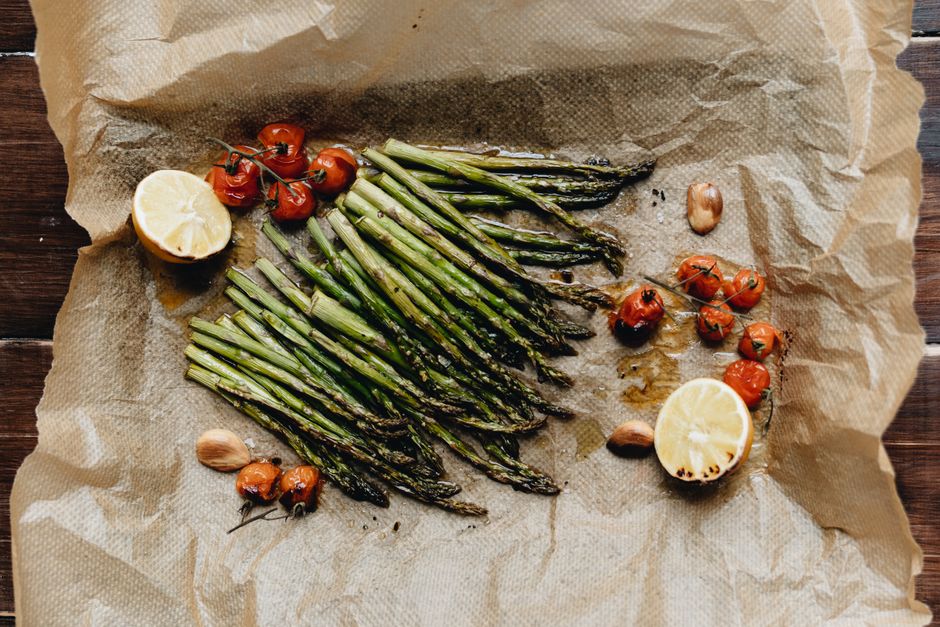
Roasted Asparagus, Zucchini, and Tomatoes: A Versatile and Healthy Vegetable Medley
This roasted vegetable medley, featuring the vibrant flavors of asparagus, zucchini, and tomatoes, is a cornerstone of healthy and delicious cooking. Its simplicity belies its versatility, making it a perfect side dish for almost any meal, a light vegetarian main, or a flavorful addition to salads and grain bowls. The roasting process caramelizes the natural sugars in these vegetables, intensifying their inherent sweetness and creating a delightful textural contrast – tender-crisp asparagus, soft and yielding zucchini, and burstingly juicy tomatoes. This dish is not only visually appealing, with its array of greens and reds, but also packed with essential vitamins, minerals, and fiber, contributing to a balanced and nutritious diet. Its low calorie count and high nutrient density make it an excellent choice for those seeking to maintain a healthy weight or improve their overall well-being. Furthermore, the minimal preparation required and the short cooking time make it an ideal option for busy weeknights when time is of the essence but a wholesome meal is still desired. The inherent flavors of the vegetables are allowed to shine through, with minimal intervention from seasonings, highlighting the quality of the produce itself.
The nutritional powerhouse that is this roasted vegetable medley offers a broad spectrum of health benefits. Asparagus, the star of the spring season, is renowned for its high concentration of folate, a crucial vitamin for cell growth and DNA formation. It also provides a good source of vitamins A, C, and K, as well as antioxidants like glutathione, which plays a vital role in detoxification. Zucchini, a summer squash, is a fantastic source of vitamin C, potassium, and manganese, all of which are essential for various bodily functions, including immune support, blood pressure regulation, and bone health. Its high water content also contributes to hydration. Tomatoes, technically a fruit but commonly used as a vegetable, are celebrated for their lycopene, a potent antioxidant linked to a reduced risk of certain cancers, particularly prostate cancer. They also offer a healthy dose of vitamin C, potassium, and vitamin K. When these vegetables are roasted together, their individual nutritional profiles are amplified, and the synergistic effect of their combined nutrients creates a truly health-promoting dish. The cooking process itself, particularly roasting at moderate temperatures, helps to preserve many of these delicate vitamins and antioxidants, unlike some other cooking methods that can leach nutrients. The fiber content across all three vegetables aids in digestion, promotes satiety, and helps to regulate blood sugar levels, making this dish an excellent choice for individuals managing diabetes or looking to improve their digestive health.
The magic of this roasted vegetable medley lies in its inherent simplicity, allowing the natural flavors of the ingredients to take center stage. The foundational elements for a successful roast are fresh, high-quality produce and proper preparation. Begin with selecting firm, vibrant asparagus spears, ensuring they are free from blemishes. Trim the woody ends by snapping them off – they will naturally break at the point where the tender stalk meets the tougher base. For zucchini, choose medium-sized ones, as larger specimens can be watery and less flavorful. Wash them thoroughly and trim off the ends. Halve or quarter them lengthwise, depending on their thickness, and then slice them into uniform pieces, about ½ inch thick. This ensures even cooking. Ripe, firm tomatoes are essential. Cherry tomatoes or grape tomatoes are ideal as they roast quickly and burst with sweetness. If using larger tomatoes, such as Roma or beefsteak, cut them into wedges or bite-sized pieces. The key to successful roasting is to not overcrowd the pan, as this will steam the vegetables rather than roast them, leading to a mushy texture. Use a large baking sheet or two if necessary, ensuring there is ample space for air to circulate around each piece of vegetable. This allows for optimal caramelization and the development of those desirable crispy edges.
Seasoning is where personalization and flavor enhancement come into play, and for this particular dish, a minimalist approach often yields the most satisfying results. The primary flavor enhancer is good quality olive oil. Extra virgin olive oil is preferred for its robust flavor and healthy monounsaturated fats. Drizzle the vegetables generously with olive oil, ensuring each piece is lightly coated. This helps to conduct heat, promotes browning, and prevents sticking. Salt and freshly ground black pepper are non-negotiable. Sea salt or kosher salt offers a clean, pure saltiness, while freshly ground black pepper provides a subtle warmth and aroma. Don’t be shy with the pepper; it complements the sweetness of the vegetables beautifully. For those seeking a bit more complexity without overpowering the natural flavors, a few well-chosen additions can elevate the dish. Minced garlic cloves, added during the last 10-15 minutes of roasting to prevent burning, impart a delightful aromatic depth. A pinch of red pepper flakes can introduce a gentle warmth, especially appealing to those who enjoy a touch of heat. Dried herbs like oregano, thyme, or Italian seasoning can be sprinkled over the vegetables before roasting, offering herbaceous notes that meld harmoniously with the other ingredients. Fresh herbs, such as chopped parsley or basil, are best added after roasting to preserve their vibrant color and fresh flavor.
The roasting process itself is straightforward and forgiving, contributing to the dish’s accessibility. Preheat your oven to a relatively high temperature, typically between 400°F and 425°F (200°C to 220°C). This high heat is crucial for achieving the desired caramelization and slightly crispy exterior. Arrange the prepared asparagus, zucchini, and tomatoes in a single layer on a large baking sheet. Ensure there is space between the vegetables. Drizzle with olive oil, season with salt and pepper, and add any other chosen seasonings like garlic or dried herbs at this stage. Place the baking sheet in the preheated oven. The cooking time will vary depending on the size of your vegetable pieces and your oven’s calibration, but generally, it ranges from 15 to 25 minutes. Keep a close eye on the vegetables, especially during the last few minutes. The asparagus should be tender-crisp, with slightly browned tips. The zucchini should be tender but not mushy, with some golden edges. The tomatoes will have softened and may have started to burst, releasing their delicious juices. If you are adding fresh garlic, scatter it over the vegetables about halfway through the roasting time to prevent it from burning. For a truly even roast, consider flipping or tossing the vegetables halfway through the cooking process. This ensures all sides are exposed to the direct heat of the oven.
The beauty of roasted asparagus, zucchini, and tomatoes extends beyond their individual merits and the ease of preparation; it lies in their remarkable adaptability and integration into a wide array of culinary creations. As a side dish, they are a perfect counterpoint to grilled meats, poultry, or fish, adding a burst of freshness and color to heavier fare. The inherent sweetness of the roasted vegetables complements the richness of a steak or the delicate flavor of salmon. They can also stand alone as a satisfying vegetarian or vegan main course, especially when served alongside quinoa, couscous, or a hearty grain salad. Their tender texture and concentrated flavors make them an excellent addition to pasta dishes, tossing them with your favorite pasta and a light sauce for a quick and nutritious meal. In fact, the rendered juices from the roasted tomatoes can form the base of a simple yet flavorful sauce. For a lighter option, incorporate them into vibrant salads. Their warm, slightly softened texture contrasts beautifully with crisp greens. Imagine a bed of arugula topped with the roasted vegetables, crumbled feta cheese, toasted pine nuts, and a lemon vinaigrette – a symphony of textures and flavors. They also lend themselves well to being blended into soups or purees, adding a depth of flavor and a creamy texture without the need for dairy. Consider a roasted vegetable soup finished with a swirl of cream or a dollop of Greek yogurt.
Further enhancing the versatility of this roasted medley is the opportunity for creative flavor profiling. While the basic salt, pepper, and olive oil combination is excellent, don’t hesitate to experiment. A squeeze of fresh lemon juice over the hot vegetables right after they come out of the oven can brighten their flavors and add a zesty counterpoint. Balsamic glaze, drizzled over the roasted vegetables, introduces a sweet and tangy complexity that pairs exceptionally well with tomatoes. For an umami boost, consider a sprinkle of nutritional yeast for a cheesy, savory flavor, especially appealing to vegans. A dash of smoked paprika can impart a subtle smoky essence, reminiscent of grilling. If you’re a fan of Mediterranean flavors, consider adding Kalamata olives, capers, or a sprinkle of dried Greek oregano before roasting. For a hint of Asian-inspired flair, a light drizzle of soy sauce or tamari, along with a touch of sesame oil and a sprinkle of toasted sesame seeds after roasting, can transform the dish. Crumbled goat cheese or shaved Parmesan cheese, added during the last few minutes of roasting or sprinkled on top after, melts beautifully and adds a creamy, salty dimension. The possibilities are truly endless, limited only by your culinary imagination.
The storage and reheating of roasted asparagus, zucchini, and tomatoes are as straightforward as their preparation. Once cooled to room temperature, store any leftovers in an airtight container in the refrigerator. They will typically keep well for 3 to 4 days. When reheating, several methods can be employed to restore their texture and flavor. For best results, a gentle reheating in a moderate oven (around 300°F or 150°C) for about 5-10 minutes is recommended. This helps to warm them through without overcooking and allows some of the moisture to evaporate, preventing sogginess. Alternatively, you can reheat them in a skillet over medium-low heat, stirring occasionally, until warmed through. Microwaving is also an option for speed, but be mindful that it can sometimes lead to a slightly softer texture. If the vegetables seem a bit dry after reheating, a small splash of olive oil or water can help. Leftover roasted vegetables can also be repurposed into other dishes. They can be tossed into omelets or frittatas, added to quesadillas, or used as a filling for savory tarts. Their softened texture makes them ideal for blending into hummus or other dips, adding an extra layer of flavor and nutrients. The key to successful storage and reheating is to ensure the vegetables are completely cooled before refrigerating to prevent the growth of bacteria.
In conclusion, roasted asparagus, zucchini, and tomatoes offer a compelling combination of health benefits, simplicity, and culinary versatility. This nutrient-dense medley is a testament to the power of fresh, seasonal produce and the transformative effect of proper cooking techniques. Its vibrant colors, satisfying textures, and naturally sweet flavors make it a welcome addition to any meal, from everyday dinners to more elaborate gatherings. By mastering the basic preparation and seasoning, and by embracing the numerous possibilities for flavor enhancement and integration into diverse dishes, you unlock the full potential of this humble yet extraordinary vegetable combination. Whether you are a seasoned chef or a novice cook, this roasted vegetable medley provides a reliable and rewarding pathway to delicious, wholesome eating, solidifying its position as a staple in any health-conscious kitchen. Its accessibility and adaptability ensure it will continue to be a beloved and frequently prepared dish for years to come, a testament to its enduring appeal and inherent goodness.
