Samsung Unveils Galaxy Z Fold 8 with Revolutionary Wider Form Factor, Targeting Enhanced Media Consumption Experience

Samsung Electronics has officially launched its latest foldable smartphone, the Galaxy Z Fold 8, introducing a groundbreaking new form factor meticulously engineered to elevate the media consumption experience for its users. This innovative device, revealed during a hands-on session in Jakarta, Indonesia, marks a strategic diversification within Samsung’s premium foldable lineup, presenting a distinct offering that stands apart from the anticipated successor to the Galaxy Z Fold 7, which is slated to carry the moniker Galaxy Z Fold 8 Ultra. This move signals a deliberate expansion of Samsung’s foldable strategy, moving beyond a singular flagship design to cater to more nuanced consumer preferences.
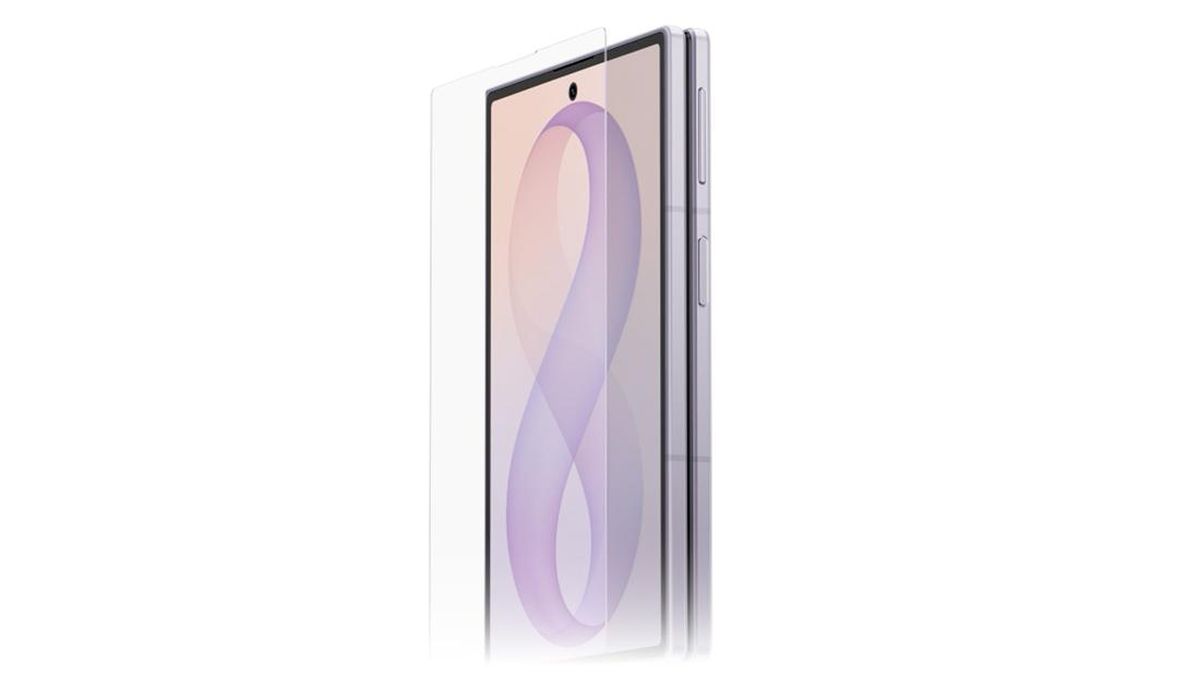
The Galaxy Z Fold 8 distinguishes itself with a notably shorter and wider design philosophy compared to its predecessors and the expected Z Fold 8 Ultra. This re-engineered chassis translates into a revolutionary display ratio, particularly when unfolded. The main inner screen now boasts an approximate 4:3 aspect ratio, transforming the device into a veritable mini-tablet optimized for a myriad of content-viewing activities. This design paradigm, according to Samsung, significantly enhances comfort and immersion for tasks such as reading e-books, streaming videos, viewing documents, and engaging in multi-application workflows. The wider aspect ratio intrinsically reduces the need for constant horizontal scrolling in many applications and provides a more expansive canvas, making digital interactions feel more natural and less constrained.
Ilham Indrawan, MX Product Marketing Senior Manager at Samsung Electronics Indonesia, underscored the strategic rationale behind this design philosophy during the Jakarta event on Thursday, July 23. "Many foldable users frequently utilize the inner screen, not solely for intensive productivity tasks, but also extensively for media consumption," Indrawan stated. "There is a distinctly different, more enjoyable experience derived from using a screen with a wider form factor for such purposes, offering a sense of openness and immersion that taller, narrower screens cannot quite match." He elaborated that the Galaxy Z Fold 8 is meticulously tailored for a specific segment of users who prioritize a highly portable device yet crave the expansive flexibility of a larger screen for entertainment. This includes activities ranging from immersive viewing of popular Korean dramas to leisurely scrolling through diverse social media feeds. "Ultimately, this device is crafted for consumers who desire to maintain portability in their everyday carry, but concurrently demand the superior flexibility of a larger, more capacious screen when they need to unfold and engage with content," he added. Furthermore, the outer display complements this philosophy with its 15:10 aspect ratio and a comfortable 5.5-inch diagonal, making it exceptionally well-suited for quick checks, message replies, and casual social media browsing without the immediate need to unfold. Meanwhile, the larger inner 4:3 display promises a profoundly more immersive viewing experience for rich, dynamic content, effectively bridging the gap between a smartphone and a small tablet.
Samsung’s Foldable Odyssey: A Legacy of Innovation and Refinement
Samsung’s journey in the foldable smartphone market has been one characterized by pioneering innovation and persistent refinement, solidifying its position as a leader in this cutting-edge segment. The genesis began with the ambitious, albeit initially challenged, Galaxy Fold in 2019. Despite early hurdles related to durability and design, the company demonstrated an unwavering commitment to the technology. Subsequent iterations – from the Galaxy Z Fold 2, 3, 4, to 5 and 6 – each brought significant advancements in hinge design, screen durability, and software optimization. Early models grappled with issues such as visible screen creasing, susceptibility to dust ingress, and overall structural integrity concerns. However, through relentless research and development, Samsung progressively introduced more robust Ultra Thin Glass (UTG), achieved water resistance ratings (starting with the Z Fold 3’s IPX8 rating), and implemented increasingly sophisticated hinge mechanisms that allowed for a gapless fold and considerably improved longevity. These improvements were crucial in building consumer trust and expanding the appeal of foldable technology.
The integration of features like Flex Mode, which allows the phone to be partially folded and used in a laptop-like configuration, and enhanced multi-window capabilities, solidified the Z Fold series’ reputation as a powerful productivity tool. These innovations not only addressed initial consumer skepticism but also carved out a premium niche for Samsung in a nascent market. The traditional Z Fold series, with its taller and narrower cover screen, often necessitated unfolding for most significant interactions, a trade-off for its expansive tablet-like internal display. This rich history provides crucial context for understanding the Z Fold 8’s new direction: it represents a deliberate and calculated shift to address specific user feedback regarding the unfolded screen’s utility for non-work-related media consumption. The strategic decision to introduce a new variant (the Z Fold 8) alongside a direct successor (the Z Fold 8 Ultra, inheriting from the Z Fold 7) signals Samsung’s maturing strategy in the foldable space. This approach is akin to how the company segments its traditional flagship S series into different sizes and feature sets (e.g., standard, Plus, Ultra models). This sophisticated segmentation strategy aims to capture a broader spectrum of premium users, each with nuanced preferences for form factor and specific usage patterns, thereby maximizing market penetration and user satisfaction.
Strategic Market Positioning and Diversification
The launch of the Galaxy Z Fold 8 with its notably wider aspect ratio signifies a critical strategic pivot for Samsung within the rapidly expanding foldable market. Rather than adhering to a singular "one-size-fits-all" approach for its top-tier foldables, Samsung is consciously segmenting its premium offerings. By explicitly positioning the Z Fold 8 as a "new variant" primarily focused on media consumption, distinct from the Z Fold 8 Ultra (which is expected to continue the lineage of the Z Fold 7 as a more traditional productivity-focused device), the company aims to broaden its appeal to a wider demographic. This sophisticated strategy mirrors the successful segmentation employed in the conventional smartphone market, where flagship devices often come in standard, Plus, and Ultra variants, each meticulously designed to cater to slightly different user priorities, such as unparalleled camera prowess, extended battery life, or overall screen real estate.
This strategic diversification allows Samsung to directly address a specific demographic of users who may have found previous Z Fold models, with their taller and narrower internal aspect ratios, less ideal for truly immersive video viewing or comfortably reading lengthy documents without excessive scrolling or zooming. The traditional Z Fold aspect ratio, while undeniably excellent for side-by-side multitasking of productivity applications, often resulted in noticeable letterboxing for standard video content (such as 16:9 or 21:9 formats), which could detract from the viewing experience. The new 4:3 inner display of the Z Fold 8 promises a more natural, expansive, and encompassing view for a wide array of digital content, ranging from popular streaming services and digital magazines to dynamic social media feeds. This particular design choice also reflects Samsung’s profound understanding that while foldables serve as potent productivity tools, a significant portion of their intrinsic appeal lies in their seamless ability to transform into a versatile entertainment device on demand. By explicitly designing and marketing the Z Fold 8 for "media consumption," Samsung is proactively responding to observable usage patterns among its existing foldable user base, striving to optimize the user experience for their most frequent and cherished activities. This forward-thinking and proactive segmentation could not only solidify Samsung’s already dominant leadership in the foldable sector but also set new industry benchmarks by offering highly tailored experiences rather than relying on a monolithic design approach.
Anticipated Specifications and Pricing: Insights from Industry Trends
While the official and exhaustive specifications for the Galaxy Z Fold 8 were not fully disclosed during the initial announcement, drawing from Samsung’s extensive track record in premium mobile devices and the current landscape of cutting-edge foldable technology, certain features can be reasonably anticipated. As a device positioned at the pinnacle of Samsung’s innovative offerings, the Galaxy Z Fold 8 is expected to incorporate the very latest advancements in mobile technology to deliver a truly premium experience.
- Processor: It will almost certainly be powered by a top-tier system-on-a-chip (SoC), most likely a custom-tuned variant of Qualcomm’s latest Snapdragon 8 series (e.g., Snapdragon 8 Gen 3 for Galaxy, or an equivalent next-generation chip depending on the precise launch timeline and market availability). This powerful processor would guarantee unparalleled performance for rigorous multitasking, graphically demanding applications, and high-fidelity mobile gaming, ensuring a fluid and responsive user experience.
- Displays:
- Inner Display: The defining feature will undoubtedly be its new wider form factor, likely a Dynamic AMOLED 2X panel boasting a high adaptive refresh rate (e.g., 120Hz) for incredibly smooth visuals and immediate responsiveness. The resolution would be meticulously optimized for its 4:3 aspect ratio, providing exceptionally crisp text, vibrant colors, and deep blacks for an immersive viewing experience.
- Outer Display: The 5.5-inch cover screen, with its new 15:10 aspect ratio, would also feature a Dynamic AMOLED 2X panel, offering a high refresh rate and robust brightness levels for excellent outdoor visibility and comfortable single-handed use.
- Cameras: Users can expect a highly versatile triple-camera setup on the rear, typically comprising a high-resolution main sensor (e.g., 50MP or more with advanced optical image stabilization), a capable ultrawide lens for expansive shots, and a telephoto lens with optical zoom capabilities for detailed distant subjects. Advanced computational photography features, including enhanced low-light performance (Nightography) and AI-driven scene optimization, would be standard. The device would also feature sophisticated selfie cameras, likely an under-display camera for the inner screen to maintain an uninterrupted viewing experience, alongside a discreet punch-hole camera on the cover screen for video calls and quick selfies.
- Battery: Given the larger displays and powerful internal components, a substantial battery capacity (likely in the range of 4,400mAh to 4,800mAh, or potentially larger if the wider form factor allows for more internal volume) with robust support for fast wired and wireless charging is expected, ensuring all-day usage for most users.
- Durability and Build: Samsung’s unwavering commitment to durability would likely translate into an IPX8 water resistance rating, signifying protection against submersion. The device would feature enhanced Armor Aluminum frames for increased structural rigidity and the latest generation of Ultra Thin Glass (UTG) for improved screen resilience against micro-scratches and repeated folding cycles. The hinge mechanism would be further refined for even smoother, more precise operation and a nearly imperceptible crease when unfolded.
- S Pen Support: Continuing a highly valued trend from previous Z Fold models, S Pen compatibility for the inner display is a strong expectation, significantly enhancing productivity, note-taking, and creative input. It is plausible that an integrated slot for the S Pen or a dedicated accessory case would be available to ensure convenient storage and accessibility.
- Software: The device would run on the latest available version of Android, seamlessly integrated with Samsung’s highly customized One UI. This software overlay would offer optimized features specifically designed for foldable screens, including advanced multi-window functionalities, intuitive drag-and-drop capabilities between applications, and seamless app continuity that allows applications to transition smoothly between the cover and main displays upon unfolding or folding.
Regarding pricing, the initial announcement did not include specific figures. However, as a premium foldable device from Samsung, the Galaxy Z Fold 8 is expected to command a price point that accurately reflects its innovative technology, advanced components, and unique form factor. Given its introduction as a new variant alongside the Z Fold 8 Ultra (the successor to the Z Fold 7), it is plausible that Samsung might strategically position the Z Fold 8 at a slightly differentiated price tier to further distinguish it, perhaps making it marginally more accessible than the Ultra, or maintaining a similar premium pricing structure to previous Fold flagships, typically starting in the range of $1,799 to $1,999 USD or equivalent in local currencies, depending on storage configurations and specific regional market strategies. Samsung’s pricing strategy for its foldables has historically aimed at the upper echelons of the smartphone market, catering to early adopters and discerning users willing to invest in cutting-edge technology that offers a transformative mobile experience.
Implications and Broader Market Impact
The introduction of the Galaxy Z Fold 8 with its distinct media-centric form factor carries profound implications for both Samsung’s strategic trajectory and the broader foldable smartphone market. Firstly, it unmistakably underscores Samsung’s strategic intent to diversify its foldable portfolio, moving decisively beyond a single flagship foldable design to address a wider array of consumer needs. This segmentation strategy acknowledges the varied preferences of high-end consumers and aims to capture a broader audience by offering tailored experiences. By introducing a Z Fold 8 specifically optimized for media consumption and maintaining a Z Fold 8 Ultra (presumably) for traditional power-user productivity, Samsung is attempting to cover more comprehensive ground within the premium segment. This nuanced approach could very well serve as a blueprint for other manufacturers as the foldable market continues its rapid maturation.
Secondly, the explicit emphasis on a wider aspect ratio for media consumption directly addresses a common critique leveled against earlier Z Fold models. While the taller, narrower internal screen was highly effective for running two apps side-by-side in portrait mode, it often resulted in suboptimal viewing experiences for standard video content, leading to noticeable black bars (letterboxing). The 4:3 ratio of the Z
Related posts: