Pindad Unveils Electric Pedicab, Modernizing a Beloved Indonesian Vehicle with Electrification


Jakarta, Indonesia – State-owned defense manufacturer PT Pindad has introduced a significant innovation in the realm of sustainable transportation with the launch of its "Electric Pedicab." This new offering represents a modernization of the traditional Indonesian becak, a three-wheeled passenger vehicle, by integrating an electric motor into its design. The development is a strategic move towards electrifying commercial vehicles, a directive reportedly issued by President Prabowo Subianto himself to usher in a new era for this iconic mode of transport.
Pindad, a company historically renowned for its defense equipment, has articulated its vision for the Electric Pedicab as a three-wheeled vehicle powered by an electric motor, a departure from the human-powered conventional becak that drivers traditionally pedal. This initiative not only aims to enhance the operational efficiency and comfort for drivers but also champions the growth of an eco-friendly vehicle ecosystem within Indonesia. The company shared these details via its official Instagram account, underscoring the significance of this civilian product launch for the defense-focused enterprise.
A Fusion of Tradition and Technology
The Electric Pedicab by Pindad is more than just an electrified becak; it is a thoughtfully engineered vehicle designed to meet modern demands while retaining the familiar essence of its predecessor. Key features highlight this blend of tradition and technology. Drivers will find a digital speedometer providing clear, real-time information on speed, a significant upgrade from the analog systems, or lack thereof, in traditional becaks. Control has also been enhanced with brake levers conveniently located on the handlebars, mirroring the operation of motorcycles and bicycles, ensuring intuitive handling.
Safety and visibility are further addressed with the integration of turn signals, front, and rear lights, ensuring the vehicle is conspicuous and its intentions clear to other road users. The inclusion of disc brakes signifies a substantial improvement in stopping power and responsiveness, crucial for urban traffic conditions.
Comfort and practicality are also central to the design. The Electric Pedicab retains the pedal system, allowing for a familiar user experience and providing an alternative means of propulsion if needed, or for exercise. A dedicated charging port makes recharging the electric motor straightforward, while the passenger seat is designed for comfort. A protective cover is integrated to shield passengers from rain, enhancing the usability of the becak in varied weather conditions.
Enhanced Capabilities and Capacity
The Electric Pedicab is engineered to be a robust workhorse, capable of carrying a maximum load of 210 kg, which includes the driver. This capacity is comparable to or slightly higher than many conventional becaks, ensuring drivers can maintain their livelihood effectively.
Technological advancements extend to the vehicle’s performance and rider experience. The inclusion of suspension systems promises a smoother ride for both the driver and passengers, mitigating the bumps and jolts common on Indonesian roads. A notable feature is the electric pedal assist, a system that provides an extra boost of power from the electric motor to the driver, reducing the physical strain of pedaling, especially on inclines or during prolonged use. This feature is particularly impactful in urban environments where stop-and-go traffic is common.
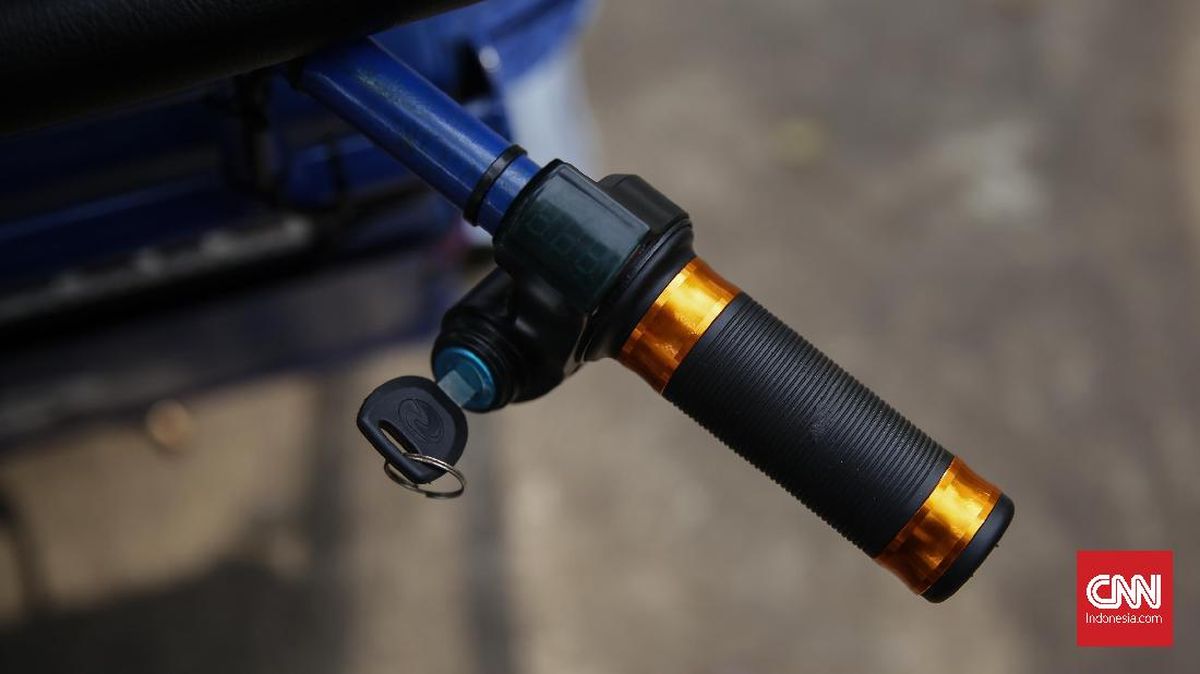
The electric acceleration of the becak is reported to reach up to 15 kilometers per hour. While this speed might seem modest, it is perfectly suited for its intended operational environment, typically local streets and within communities where speed limits are often lower and maneuverability is paramount. The electric assist ensures that reaching and maintaining this speed is achieved with significantly less effort from the driver.
Strategic Deployment and Impact
The Pindad Electric Pedicab is not merely a prototype; it has already entered the production phase and has been distributed to communities. In a significant move, units have been provided as aid by the President to various regions, including Gresik and Madiun, as early as February 2026. This presidential endorsement signals a national commitment to modernizing this sector of public transportation.
The scale of distribution is also noteworthy. As of the reported period, a substantial 7,100 units of the Pindad-made electric becaks have been distributed across the island of Java. This wide-scale deployment suggests a strategic effort to transition a significant portion of the traditional becak fleet to a more sustainable and efficient model. The impact of such a rollout could be far-reaching, contributing to reduced carbon emissions, improved air quality in urban centers, and enhanced livelihoods for becak drivers through lower operating costs and reduced physical exertion.
Background and Context
The becak has been an integral part of Indonesian urban landscapes for decades, serving as an affordable and accessible mode of transport for millions. Originating from Japan in the early 20th century, the becak became widely adopted in Indonesia, particularly in cities like Jakarta, Surabaya, and Medan. For many, driving a becak is not just a job but a generational livelihood.
However, traditional becaks, powered by human effort, face challenges. The physical demands on drivers can be immense, leading to health issues and limiting their working hours. Furthermore, in an era increasingly focused on environmental sustainability, the emissions from the occasional motorized becak (which are different from the Pindad electric version) and the general reliance on fossil fuels have become a growing concern.
The push for electrification in Indonesia is part of a broader global trend driven by the need to combat climate change and reduce reliance on fossil fuels. The Indonesian government has set ambitious targets for electric vehicle adoption, and initiatives like the Pindad Electric Pedicab align perfectly with these national objectives. By focusing on a vehicle that is deeply embedded in the local culture and economy, Pindad and the government are demonstrating a pragmatic approach to sustainable development, ensuring that modernization benefits the very communities it serves.
Broader Implications and Analysis
The introduction of the Pindad Electric Pedicab has several significant implications:
- Environmental Benefits: The most immediate impact is the reduction of air and noise pollution. Replacing gasoline-powered or human-powered becaks with electric ones directly contributes to cleaner air in urban areas, improving public health and the overall urban environment. The shift away from fossil fuels also aligns with Indonesia’s climate change mitigation goals.
- Economic Empowerment: For becak drivers, the electric assist and potentially lower operating costs (electricity is often cheaper than gasoline, and maintenance for electric motors can be simpler) can lead to increased income and improved quality of life. Reduced physical strain means drivers can work longer and more comfortably. The vehicle’s enhanced capacity can also mean more trips and higher earnings.
- Technological Advancement and Industrial Diversification: Pindad’s involvement signifies a diversification of its product portfolio beyond defense. This demonstrates the company’s capability to innovate and adapt to civilian market needs, potentially creating new revenue streams and fostering technological expertise in the burgeoning electric vehicle sector within Indonesia. It also positions Indonesia as a potential manufacturer of sustainable transport solutions.
- Policy and Regulatory Support: The presidential directive and the distribution of vehicles as aid highlight strong government backing for this initiative. This suggests a potential for further policy support, such as incentives for electric vehicle adoption, charging infrastructure development, and regulations that favor cleaner transportation options.
- Cultural Preservation: By modernizing the becak rather than replacing it entirely, the initiative respects and preserves a cherished cultural icon. This approach ensures that tradition and progress can coexist, offering a unique Indonesian solution to sustainable urban mobility.
Future Outlook
The success of the Pindad Electric Pedicab will depend on several factors, including the affordability of the vehicles, the availability of charging infrastructure, and ongoing maintenance support. However, with strong governmental backing and a clear articulation of its benefits, this innovation has the potential to redefine urban transportation in Indonesia, making it cleaner, more efficient, and more equitable. The 7,100 units already distributed are a promising start, and the broader impact of this electrification effort will be closely watched as Indonesia continues its journey towards a sustainable future.