Beyond the undisputed allure of gold, silver emerges as another precious metal possessing significant strategic value as an investment instrument. Its popularity is steadily rising, fueled by a growing public awareness of its future profitability potential. For prospective investors, acquiring silver can be achieved through various official channels, including formal financial institutions and reputable specialized precious metal vendors, ensuring both legitimacy and security for their investments.
Understanding the Intrinsic Value of Silver
At its core, silver is distinguished by its characteristic lustrous, metallic gray hue. It is far more than just an aesthetically pleasing metal; it is an asset endowed with substantial economic value and exceptionally high electrical conductivity. Its inherent malleability and ductility make it a vital component in global trade and various industrial applications. Historically, silver has occupied a special place in human civilization, transitioning from an ancient medium of exchange to a symbol of opulence and status among nobility, often manifested in exquisite jewelry and household artifacts.
In the current era, characterized by rapid digitalization and technological advancement, silver has transformed into a highly liquid and strategically important financial asset. The burgeoning development of smart devices, advanced robotics, and a host of other cutting-edge technologies has led to a dramatic surge in the demand for silver as a critical material. This escalating demand is directly stimulating increased investor interest in the metal, with projections indicating continued robust growth, intrinsically linked to the global economy’s increasing reliance on future technological innovations.
Key Industrial Applications Driving Demand
The modern industrial landscape heavily relies on silver’s unique properties. Its unparalleled electrical conductivity makes it indispensable in the manufacturing of electronic components. Virtually every smartphone, computer, tablet, and television incorporates silver in its circuitry. As the Internet of Things (IoT) continues to expand, connecting billions of devices, the demand for silver in electronics is expected to escalate. Industry analysts predict that the electronics sector will continue to be the largest consumer of industrial silver.
Furthermore, silver’s antimicrobial properties are being increasingly recognized and utilized. It is incorporated into medical devices, wound dressings, and water purification systems, offering a natural and effective means of combating bacterial growth. The healthcare sector’s growing focus on infection control and preventative measures is likely to further boost demand for silver in these applications.
The automotive industry also presents a significant avenue for silver consumption. Modern vehicles are becoming increasingly sophisticated, with advanced electronics, sensors, and safety systems requiring substantial amounts of silver. The ongoing transition towards electric vehicles (EVs), which incorporate more complex electronic systems than their internal combustion engine counterparts, is a notable driver of future silver demand in this sector.
Types of Silver Suitable for Investment
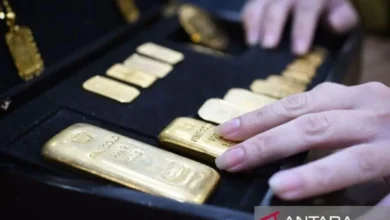
It is crucial for investors, particularly those new to precious metals, to understand that not all forms of silver are equally suitable for investment purposes. The most widely recommended investment vehicles are generally those composed of pure silver, often referred to as "fine silver." This typically includes silver in the form of bars, coins, or grains, boasting a purity level of at least 99.9%. This high degree of purity makes fine silver exceptionally valuable as an investment asset.
However, due to its exceptionally high silver concentration and the absence of other metal alloys, fine silver possesses a relatively soft texture, making it susceptible to scratching. This characteristic means it is seldom used in its pure form as the primary material for jewelry.
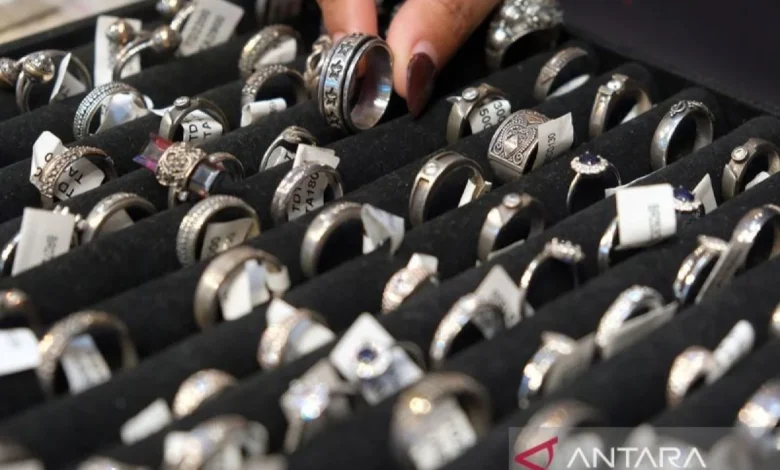
Conversely, the silver commonly found in jewelry is typically an alloy, mixed with other metals such as copper or nickel to enhance its strength and durability. This type of silver is known as "sterling silver," with a purity level of approximately 92.5%. While sterling silver jewelry can be collected, its value as an investment instrument is generally lower compared to its bar or fine silver counterparts. This is attributable to additional manufacturing costs and its less-than-maximum purity.
Therefore, the higher the purity of silver, the more ideal it is as an investment. For both gold and silver, investment bars are consistently recommended as preferred long-term investment instruments over jewelry. Nevertheless, this does not preclude jewelry from being a viable investment, though its potential returns may differ.
Investment Avenues for Silver
Aspiring silver investors can explore two primary methods available in the market:
Physical Silver Investment
This is the most direct and tangible form of silver investment. It involves acquiring and holding physical silver assets.
- Silver Bars: These are stamped ingots of pure or near-pure silver, produced by reputable refiners. They are available in various sizes, from small grams to large kilograms, offering flexibility for investors with different capital allocations. Bars are often favored for their straightforward valuation based on their weight and purity. Major mints and refineries worldwide produce investment-grade silver bars, which are typically assayed and stamped with their weight, purity, and a unique serial number. Reputable brands include PAMP Suisse, Valcambi, and the Royal Canadian Mint.
- Silver Coins: Investment-grade silver coins are minted by sovereign governments and are legal tender, though their intrinsic value far exceeds their face value. These coins are often sought after not only for their silver content but also for their numismatic appeal and the reputation of the issuing government. Popular examples include the American Silver Eagle, Canadian Maple Leaf, and the Australian Kangaroo. These coins typically have a purity of 99.9% silver.
- Silver Grains (or Shot): These are small, bead-like pieces of silver, often used by jewelers and industrial users. While they offer a high purity, they can be less convenient for individual investors to store and trade compared to bars or coins. Their price is usually quoted per ounce or gram.
Advantages of Physical Silver:
- Tangible Asset: Investors have direct control over their assets, providing a sense of security.
- Intrinsic Value: The value is directly tied to the metal’s market price.
- Diversification: Offers a hedge against inflation and economic uncertainty.
- No Counterparty Risk: Unlike financial instruments, physical silver is not subject to the solvency of a financial institution.
Disadvantages of Physical Silver:
- Storage and Security: Requires secure storage solutions to protect against theft and damage.
- Insurance Costs: May incur additional costs for insuring the stored assets.
- Liquidity: Selling physical silver might take time, especially for larger quantities, and may involve transaction fees.
- Premiums and Spreads: Investors often pay a premium over the spot price when buying and may receive a discount when selling.
Financial Silver Investments
These investments derive their value from the price of silver without the investor directly holding the physical metal.
- Silver Exchange-Traded Funds (ETFs): Silver ETFs are investment funds that hold physical silver or silver futures contracts. They trade on stock exchanges like regular stocks, offering a convenient way to gain exposure to silver prices. The value of an ETF unit fluctuates with the price of silver. Examples include iShares Silver Trust (SLV) and Aberdeen Standard Physical Silver Shares ETF (SIVR).
- Silver Futures Contracts: These are agreements to buy or sell a specific amount of silver at a predetermined price on a future date. Futures trading is complex and often involves leverage, making it suitable for experienced investors.
- Silver Mining Stocks: Investing in companies that mine and produce silver offers indirect exposure to silver prices. The stock prices of these companies are influenced by silver prices, operational efficiency, and broader market conditions. Examples of prominent silver mining companies include Wheaton Precious Metals, Pan American Silver Corp., and First Majestic Silver Corp.
Advantages of Financial Silver Investments:
- Liquidity: Generally easier and faster to buy and sell compared to physical silver.
- Convenience: No need for physical storage or security arrangements.
- Lower Transaction Costs: Often involves lower fees than dealing with physical bullion dealers.
- Diversification within the Funds: ETFs can hold a diversified portfolio of silver assets.
Disadvantages of Financial Silver Investments:
- Counterparty Risk: ETFs and futures contracts carry the risk associated with the financial institutions involved.
- Management Fees: ETFs and managed funds typically charge annual management fees.
- No Physical Ownership: Investors do not possess the tangible asset.
- Complexity: Futures contracts require a deep understanding of derivatives markets.
Choosing the Right Investment Vehicle
The selection of an appropriate silver investment vehicle depends on individual investor preferences, risk tolerance, and investment objectives. For those prioritizing tangible ownership and long-term value preservation, physical silver, particularly in the form of high-purity bars, remains the benchmark. These assets are favored by investors seeking stability and a direct hedge against economic volatility.
However, for investors who prioritize ease of access, liquidity, and diversification without the complexities of physical storage, silver ETFs present a compelling alternative. These instruments offer a streamlined way to participate in silver’s price movements. For more sophisticated investors looking to leverage market fluctuations or engage in active trading, silver futures contracts might be considered, albeit with a higher risk profile.
Market Trends and Future Outlook
The trajectory of silver prices is influenced by a confluence of factors, including global economic conditions, industrial demand, monetary policies, and geopolitical events. Historically, silver has often been seen as a more volatile asset than gold, experiencing more pronounced price swings. This volatility, however, can also present greater profit opportunities for astute investors.
The increasing integration of silver into advanced technologies is a significant long-term driver for its demand. As the world continues to embrace renewable energy solutions like solar panels, which extensively use silver, and as the proliferation of electronic devices accelerates, the fundamental demand for silver is expected to remain robust. Analysts at various financial institutions have projected a steady upward trend in silver prices over the coming years, driven by these industrial needs and its perceived role as a safe-haven asset during times of economic uncertainty.
For instance, a report by the Silver Institute highlighted that industrial demand for silver has consistently accounted for over 50% of total demand in recent years, underscoring its crucial role beyond its traditional investment and jewelry applications. Projections indicate this trend will continue, particularly with the growth in electric vehicles and 5G technology, both of which are silver-intensive.
Analyzing Implications for Investors
For investors considering silver, understanding these market dynamics is paramount. The dual nature of silver as both a precious metal and an industrial commodity provides a unique investment proposition. While its precious metal status offers a hedge against inflation and currency devaluation, its industrial utility links its price to technological advancements and economic growth.
The increasing awareness of silver’s role in technological innovation is likely to attract a broader base of investors, including those traditionally focused on technology stocks. This could lead to increased capital inflows into the silver market, potentially driving up prices. However, investors must remain cognizant of the potential for price corrections, especially given silver’s historical volatility.
A balanced approach, incorporating silver as part of a diversified investment portfolio, is often recommended by financial advisors. This strategy helps mitigate risks associated with any single asset class. The choice between physical silver and financial instruments will largely hinge on an investor’s personal circumstances and their comfort level with different forms of ownership and risk.
Conclusion
Silver stands as a compelling investment alternative, offering a blend of intrinsic value, industrial utility, and growing future potential. As the world navigates an era of rapid technological evolution and persistent economic uncertainties, silver’s strategic importance is only set to grow. Whether opting for the tangible security of physical bullion or the convenience of financial instruments, investors who conduct thorough research and align their choices with their financial goals are well-positioned to benefit from the enduring gleam of this remarkable precious metal. The ongoing demand from critical sectors like electronics, healthcare, and renewable energy, coupled with its traditional role as a store of value, paints a promising picture for silver’s future as a key component of a diversified investment strategy.
Related posts: