
Slow Cooker Bison Chili
Slow Cooker Bison Chili: A Deep Dive into Flavor, Nutrition, and Culinary Ease
Slow cooker bison chili represents a pinnacle of comfort food, merging the robust, earthy flavor of bison with the time-honored traditions of chili making, all streamlined for the modern kitchen. This dish is not merely sustenance; it’s an experience, a hearty embrace on a cool evening, a communal centerpiece, and a testament to the power of slow, low cooking. Bison, a leaner and often more flavorful alternative to traditional ground beef, lends a distinct character to the chili, enhancing its depth and nutritional profile. The slow cooker, with its unparalleled ability to tenderize ingredients and meld flavors over extended periods, transforms simple components into a rich, complex, and deeply satisfying meal. This article will explore the multifaceted aspects of creating exceptional slow cooker bison chili, from ingredient selection and preparation to cooking techniques, flavor profiles, and health benefits, providing a comprehensive guide for both novice and experienced home cooks.
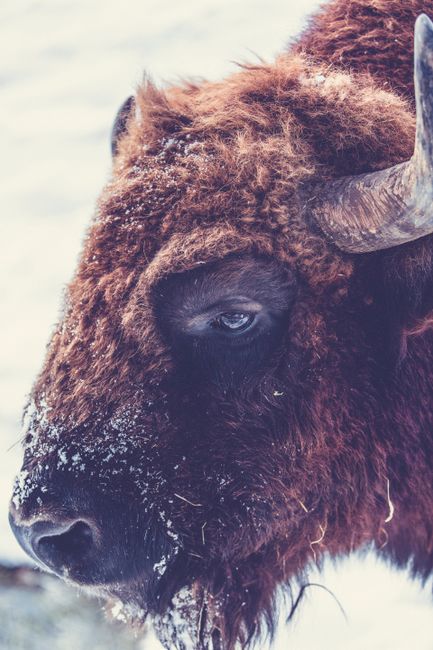
The foundation of any great chili lies in its ingredients, and for slow cooker bison chili, the quality and type of bison are paramount. Opting for ground bison is the most straightforward approach, offering convenience and even distribution of flavor. However, for those seeking a more rustic texture, diced bison chuck roast or even bison brisket can be used. These tougher cuts benefit immensely from the extended cooking time of the slow cooker, breaking down into incredibly tender, melt-in-your-mouth morsels. When selecting bison, look for lean grinds or cuts. While bison is inherently leaner than beef, the fat content can still vary. A moderate amount of fat is desirable for flavor and moisture, but excessive fat can lead to an oily chili. Consider sourcing bison from reputable ranches that prioritize animal welfare and sustainable practices. The flavor of bison is often described as richer and sweeter than beef, with a subtle gaminess that pairs exceptionally well with the traditional chili spices. This distinct flavor profile means that bison chili can sometimes stand on its own with fewer seasonings than beef chili, though a well-balanced spice blend is still essential.
Beyond the star protein, the supporting cast of vegetables and aromatics plays a crucial role in building complexity. Onions, garlic, and bell peppers form the aromatic base of most chilies. For bison chili, a mix of yellow or red onions provides sweetness and pungency. Red onions, in particular, can add a subtle vibrant hue. Garlic, minced finely, is indispensable for its pungent aroma and depth. Bell peppers, whether green for a slightly bitter edge or red and yellow for sweetness, add texture and color. The inclusion of jalapeños or serrano peppers is key for introducing heat. The level of heat is a personal preference, and the number and type of chili peppers can be adjusted accordingly. Removing the seeds and membranes from chili peppers will significantly reduce their spiciness, allowing for a more controlled heat level. Canned tomatoes are a non-negotiable for chili, providing the liquid base and a crucial acidic counterpoint to the richness of the bison. Diced tomatoes, fire-roasted tomatoes, and crushed tomatoes all offer slightly different textures and flavor profiles. Fire-roasted varieties, as their name suggests, offer a smoky depth that complements the bison beautifully. Tomato paste, a concentrated form of tomato, adds an intense tomato flavor and helps to thicken the chili.
The spice blend is where the soul of the chili truly resides. A robust and balanced combination of spices is essential to elevate the bison and create that signature chili character. Chili powder, of course, is the cornerstone. Look for a high-quality, freshly ground chili powder, ideally a blend of ancho, pasilla, and other dried chilies. Cumin, with its warm, earthy, and slightly smoky notes, is another vital component. Smoked paprika, beyond its vibrant color, imparts a subtle smokiness that further enhances the bison’s natural flavor. Oregano, particularly Mexican oregano, adds an herbaceous, slightly peppery note. A pinch of cayenne pepper or a dash of hot sauce can be added for an extra kick. For those seeking more nuanced flavor, consider adding a touch of cocoa powder or dark chocolate. This may seem unconventional, but the bitterness and depth of unsweetened cocoa powder or dark chocolate beautifully counter the richness of the meat and the acidity of the tomatoes, adding a sophisticated layer of complexity without imparting a chocolatey taste. The key is to use a small amount, allowing it to subtly enhance, not dominate, the overall flavor profile.
Preparing the bison for the slow cooker is a critical step, even when using ground bison. For ground bison, browning it in a skillet before adding it to the slow cooker is highly recommended. This process, known as the Maillard reaction, develops flavor and texture, preventing the meat from becoming mushy and releasing excess fat. Drain any excess fat after browning. If using diced bison cuts, searing them on all sides in a hot skillet until nicely browned will also significantly enhance their flavor and create a more appealing texture once cooked. This step is particularly important for tougher cuts that will be braised for an extended period. Deglazing the skillet after browning with a liquid like beef broth, red wine, or even a splash of beer can capture those delicious browned bits and incorporate them into the chili’s base.
Assembling the slow cooker bison chili is straightforward but requires mindful layering to optimize cooking and flavor development. Begin by adding the aromatics and vegetables to the slow cooker insert. If you’ve browned the bison and deglazed the pan, add the liquid and any browned bits to the slow cooker. Then, add the browned bison, followed by the canned tomatoes, tomato paste, beans (if using), and the entire spice blend. Stir everything thoroughly to ensure even distribution of ingredients and spices. The order of ingredients can sometimes influence how they cook, but for a slow cooker, thorough mixing is generally sufficient. Low and slow is the mantra for slow cooker chili. Cook on the "low" setting for 6 to 8 hours, or on the "high" setting for 3 to 4 hours. The exact cooking time will depend on your slow cooker and the size of your ingredients. The chili is ready when the bison is incredibly tender, the flavors have melded beautifully, and the sauce has thickened to your desired consistency.
The choice of beans in bison chili is a matter of tradition and personal preference. Kidney beans, pinto beans, black beans, and cannellini beans are all popular choices. For a classic chili, a combination of kidney beans and pinto beans is often favored. Rinsing canned beans before adding them to the slow cooker is a good practice to reduce sodium content and remove any starchy residue. If using dried beans, they will need to be pre-soaked and cooked according to package directions before being added to the slow cooker. For a beanless chili, simply omit the beans. This can be a desirable option for those following specific dietary guidelines or simply preferring a meat-forward chili.
Beyond the basic construction, there are several techniques and additions that can elevate slow cooker bison chili to extraordinary heights. A splash of liquid smoke can add an extra layer of smoky flavor, especially if you’re not using fire-roasted tomatoes or smoked paprika. A tablespoon or two of apple cider vinegar or red wine vinegar added in the last hour of cooking can brighten the flavors and cut through the richness. Consider adding a bay leaf to the slow cooker; it imparts a subtle, aromatic note that complements the other spices. For a thicker chili, you can either cook it with the lid slightly ajar for the last hour to allow some liquid to evaporate, or you can remove a portion of the chili, blend it until smooth, and then return it to the slow cooker.
The nutritional benefits of slow cooker bison chili are substantial, making it a healthy and satisfying meal. Bison is a remarkably lean protein source, typically lower in fat and cholesterol than beef. It is also rich in essential nutrients such as iron, zinc, B vitamins (niacin, B6, and B12), and selenium. The high protein content contributes to satiety, making it an excellent option for weight management. The abundance of vegetables in chili, such as onions, peppers, and tomatoes, provides valuable vitamins, minerals, and dietary fiber. Fiber is crucial for digestive health and helps regulate blood sugar levels. The inclusion of beans further boosts the fiber and protein content, as well as adding complex carbohydrates. When made with wholesome ingredients and without excessive added sodium or unhealthy fats, slow cooker bison chili can be a cornerstone of a balanced and nutritious diet.
Serving slow cooker bison chili is an art form in itself. The toppings are as important as the chili itself in creating a complete and enjoyable experience. Classic toppings include shredded cheddar cheese, a dollop of sour cream or plain Greek yogurt for coolness and tang, chopped fresh cilantro for herbaceous brightness, sliced green onions for a mild onion flavor, and a squeeze of lime juice for acidity. For those who enjoy a bit of crunch, consider serving with tortilla chips or cornbread. A side of avocado slices or guacamole also adds a creamy, healthy fat element. The beauty of chili is its versatility; it can be served as a hearty main course, a flavorful topping for baked potatoes or nachos, or even as a filling for burritos or tacos. The rich, complex flavors of slow cooker bison chili stand up well to a variety of accompaniments, allowing for personalized culinary creations.
Troubleshooting common issues in slow cooker chili preparation is a valuable part of mastering this dish. If the chili is too thin, as mentioned, evaporation with the lid ajar or blending a portion can help. If it’s too thick, adding a bit more liquid, such as beef broth, water, or even beer, can rectify the consistency. If the flavors seem muted, it’s likely a spice issue. Taste and adjust the seasoning, adding more chili powder, cumin, or a pinch of cayenne. Acidity can also be a flavor enhancer; a splash of vinegar or lime juice can awaken dull flavors. If the chili is too spicy, adding a bit more tomato paste, a touch of sugar or honey, or a dairy-based topping like sour cream can help to temper the heat.
Storage and reheating of slow cooker bison chili are also important considerations. Once cooled, chili can be stored in airtight containers in the refrigerator for up to 3 to 4 days. It also freezes exceptionally well, making it an ideal candidate for meal prepping. Portion the chili into freezer-safe containers or bags. To reheat, thaw overnight in the refrigerator and then gently warm on the stovetop or in the microwave. Reheating on the stovetop allows for better control of temperature and can help to redevelop some of the flavors. Slow cooker bison chili often tastes even better the next day, as the flavors have had more time to meld and deepen. This makes it a perfect make-ahead meal, ideal for busy weeknights or for entertaining guests. The convenience of preparing a large batch and having delicious leftovers readily available is a significant advantage of this dish.
In conclusion, slow cooker bison chili is more than just a recipe; it’s a culinary endeavor that rewards patience and thoughtful ingredient selection. Its inherent lean protein, rich flavor profile, and the unparalleled ease of slow cooker preparation make it a standout dish. By understanding the nuances of bison quality, the art of spice blending, and the science of slow cooking, home cooks can consistently produce a chili that is both deeply satisfying and remarkably nutritious. The adaptability of this dish, from ingredient variations to serving suggestions, ensures that it can be tailored to any palate and occasion, solidifying its place as a beloved classic in the repertoire of hearty, wholesome meals.
