
Sous Vide Poached Eggs
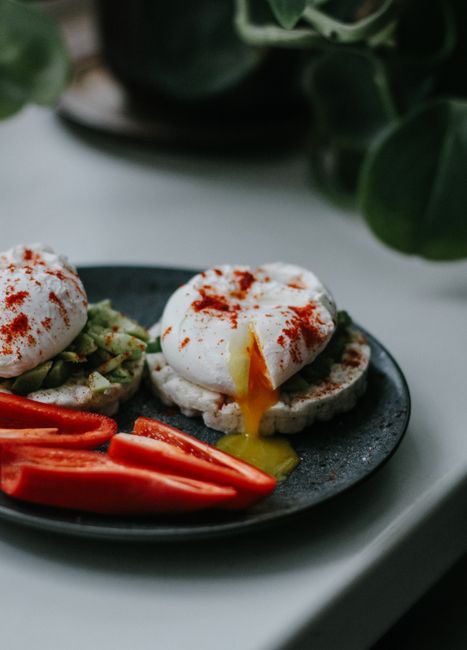
Sous Vide Poached Eggs: The Ultimate Guide to Flawless Texture and Flavor
The sous vide method of cooking eggs, particularly for poaching, represents a paradigm shift in achieving consistently perfect results. Unlike traditional stovetop poaching, which relies on a delicate balance of water temperature, turbulence, and precise timing, sous vide eliminates the guesswork. This technique employs a temperature-controlled water bath to cook eggs to a specific internal temperature, guaranteeing a uniformly custardy yolk and a tender, solidified egg white, every single time. The benefits extend beyond mere consistency; sous vide offers unparalleled control over the final texture, allowing for a spectrum of yolk runniness and white firmness that is impossible to replicate with conventional methods. For home cooks and professional chefs alike, mastering sous vide poached eggs unlocks a new level of culinary precision and opens doors to a wider array of applications, from sophisticated brunch dishes to effortless meal prep.
The fundamental principle behind sous vide poaching lies in its precise temperature control. When poaching eggs traditionally, maintaining a stable water temperature just below boiling is crucial. Too hot, and the whites will toughen and become rubbery; too cool, and they won’t set properly, resulting in a watery mess. Sous vide circulators, often referred to as immersion circulators, maintain the water bath at a remarkably stable temperature, usually within a fraction of a degree Celsius. This exactitude means that the egg proteins denature and coagulate at a predictable rate, leading to a predictable outcome. For poached eggs, the target temperatures typically range from 60°C (140°F) to 75°C (167°F), with subtle variations producing distinct textural differences. Understanding these temperature gradients is key to unlocking the full potential of sous vide for egg preparation.
Let’s delve into the specific temperature and time parameters for achieving different sous vide poached egg textures. The most common and arguably desirable texture for a "poached" egg – a perfectly runny yolk encased in a tender, fully set white – is achieved between 63°C (145.4°F) and 65°C (149°F) for approximately 45 minutes to 1 hour. At 63°C, the yolk will be exceptionally creamy and molten, while the white will have a delicate, almost silken texture, fully cooked but not firm. Increasing the temperature to 65°C results in a slightly firmer yolk and a more solidified, yet still tender, white. For those who prefer a slightly less liquid yolk, aiming for temperatures around 70°C (158°F) for the same duration will yield a yolk that is more jam-like, while the whites will be noticeably firmer. Moving towards the higher end of the spectrum, around 75°C (167°F), will produce an egg with a fully set, almost hard-boiled yolk, though the whites will still maintain a desirable tenderness compared to traditional boiling. The cooking time is less critical than temperature in sous vide; once the target temperature is reached, the egg is essentially cooked, and extended holding times within reason will not significantly alter the texture. However, for consistency, adhering to the recommended 45-60 minute window is generally advised.
The equipment required for sous vide poaching is straightforward and increasingly accessible. The core components are an immersion circulator, a vessel for the water bath, and a way to hold the eggs. The immersion circulator, which is the central piece of technology, heats and circulates the water, ensuring uniform temperature distribution. Common vessels include large pots, Cambro containers, or specialized sous vide tubs. For holding the eggs, either individual vacuum-sealed bags or small glass jars can be used. While vacuum sealing is the most common method for sous vide cooking, for eggs, due to their shell, it’s often more practical and easier to use small, heat-resistant glass jars or even to cook the eggs directly in their shells. However, for the "poached" aesthetic where the egg is released from its shell, using a small jar or a heat-safe bag is preferable. Some enthusiasts also utilize specialized silicone egg pods designed for sous vide, which offer a convenient way to maintain the egg’s shape.
Preparing sous vide poached eggs involves a few simple steps. Firstly, preheat your water bath to your desired temperature using the immersion circulator. While the water heats, prepare your eggs. If using a jar or bag, gently crack a fresh egg into it. Some cooks add a small pinch of salt and pepper at this stage, though this is optional and depends on personal preference. If you’re aiming for a perfectly intact egg with no shell fragments, cracking the egg into a fine-mesh sieve first can help remove any watery albumen, ensuring a cleaner final product. Once prepared, carefully lower the sealed bag or jar into the preheated water bath, ensuring it is fully submerged. Avoid overcrowding the bath, as this can lead to temperature fluctuations. Cook for the recommended duration of 45 to 60 minutes.
Upon completion of the cooking time, the eggs are ready to be served. If using a bag, carefully remove it from the water bath, cut open a corner, and gently pour the egg onto your plate or desired dish. If using a jar, invert the jar over your serving surface, and the egg should slide out. The result will be a perfectly cooked egg with a runny yolk and a tender, solidified white, ready to be enjoyed. The beauty of sous vide poached eggs lies in their versatility. They are perfect atop avocado toast, as a protein boost for salads, a decadent addition to burgers, or as the crowning glory of a classic Eggs Benedict. The consistent texture makes them ideal for plating, as they hold their shape beautifully until broken.
Beyond the classic runny yolk preparation, sous vide also offers unique possibilities for egg textures that are not easily achievable otherwise. For instance, cooking eggs at a slightly lower temperature, around 60°C (140°F), for an extended period (up to 2 hours) can result in an egg with a remarkably custardy yolk and a barely set, almost liquid white. This "onsen" style egg, named after the Japanese hot springs where similar eggs are naturally cooked, offers a luxurious mouthfeel and a subtle, delicate flavor. Conversely, for those who prefer a firmer yolk but still want the tenderness of sous vide whites, temperatures in the 70-75°C range are ideal. The ability to precisely control these parameters allows for a nuanced approach to egg cookery, catering to a wide range of textural preferences.
The freshness of eggs is a critical factor in achieving optimal results with sous vide, just as it is with traditional poaching. Fresher eggs have a stronger albumen that holds its shape better, especially when cooked at lower temperatures. Older eggs tend to have a more watery albumen that can spread out more in the water bath, making it harder to achieve a compact poached egg. Therefore, selecting high-quality, fresh eggs is paramount for success. Furthermore, the type of egg can also play a minor role. Free-range or pasture-raised eggs often have firmer yolks and a richer color, which can enhance the visual appeal and flavor of your sous vide poached eggs.
When it comes to seasoning, sous vide poached eggs are a blank canvas. While salt and pepper are the most common additions, consider exploring other flavor profiles. A pinch of smoked paprika can add a subtle smoky note. A sprinkle of red pepper flakes can introduce a hint of heat. For a more complex flavor, consider infusing the water bath with aromatics such as a sprig of rosemary or thyme, or a clove of garlic. While the eggs themselves won’t absorb the flavors directly in the same way as other sous vide proteins, the subtle diffusion can impart a delicate nuance. However, the most impactful seasoning often occurs after the egg is cooked and plated, allowing for immediate flavor impact.
One of the significant advantages of sous vide poached eggs is their potential for meal prep. Once cooked to your desired texture, the eggs can be cooled and stored in their jars or bags in the refrigerator for up to 3-4 days. When ready to serve, simply reheat them gently in a warm water bath (around 55-60°C) for 10-15 minutes, or until warmed through. This makes it incredibly convenient to have perfectly cooked poached eggs ready to go for busy mornings or quick weeknight meals. This reheating process generally doesn’t degrade the texture, ensuring that your prepped eggs are nearly as good as freshly cooked ones.
Troubleshooting common sous vide egg issues is also important. If your whites are not setting properly, the water temperature might be too low, or the cooking time insufficient. Conversely, if the whites are rubbery, the temperature is likely too high. A broken yolk typically indicates that the egg was handled too roughly during transfer or that it was overcooked at a temperature that solidified the yolk while still allowing the white to set incompletely. For eggs cooked in bags or jars, ensuring a tight seal is crucial to prevent water from entering and diluting the egg. If using jars, make sure they are heat-safe and that the lids are not overly tight, as expansion during heating can cause pressure build-up.
The application of sous vide poached eggs extends far beyond the breakfast table. Consider their use in more refined culinary contexts. A perfectly executed sous vide poached egg can elevate a simple salad into a main course. It can add richness and depth to a pasta dish or a risotto. For special occasions, it can be a central element in an appetizer, such as a deconstructed take on a Caesar salad with a sous vide poached egg as the centerpiece. The visual appeal of a perfectly formed, glistening egg yolk spilling onto a dish is undeniable and a testament to the precision of the sous vide method.
Furthermore, the sous vide technique allows for experimentation with different egg sizes. While a standard large egg is typically used, smaller or larger eggs can be accommodated by slightly adjusting the cooking time. However, the temperature remains the most critical factor in achieving the desired texture. The consistency of sous vide also means that once you find your preferred temperature and time for a particular egg size, you can replicate it indefinitely, eliminating the variability that often plagues home cooks attempting to achieve consistently perfect poached eggs. This reproducibility is a cornerstone of the sous vide cooking philosophy.
In conclusion, the sous vide method for poaching eggs offers a level of control and consistency that is unparalleled. By precisely regulating water temperature, home cooks and professionals can achieve flawless textural outcomes, from molten yolks to tender whites, every single time. The accessibility of sous vide equipment and the straightforward cooking process make it an ideal technique for both novice and experienced culinary enthusiasts. The versatility in applications, the ease of meal preparation, and the potential for nuanced textural exploration solidify sous vide poached eggs as a game-changer in modern cooking. Mastering this technique not only elevates the simple poached egg but also unlocks a broader understanding of how temperature control can revolutionize familiar ingredients.
